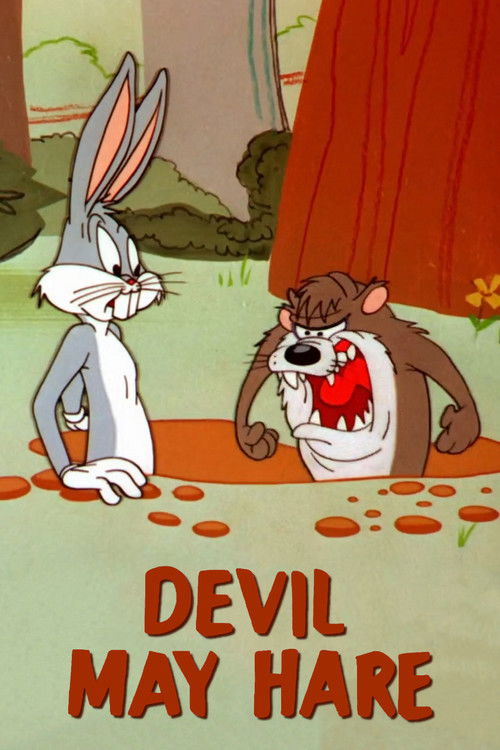
Devil May Hare
1954
No user ratings available yet
Representation score: 1.6 out of 10
Representation Score
Minimal
1949
ApprovedDirector
Robert McKimson
Runtime
7 minutes
Average Rating
No ratings yetNew Showbiz Analysis
The film is a traditional comedic short focused on slapstick conflict. It subverts the moral framework of the 'Three Little Pigs' fable by introducing Bugs Bunny, but does so through narrative disruption rather than social commentary. With anthropomorphic animal characters, the film avoids human demographic complexities. This results in a lack of exploration of racial, ethnic, and gendered identities. Overall, the work adheres to mid-century animation styles, prioritizing the deconstruction of folklore over the exploration of identity politics or systemic power dynamics.
Category Breakdown
The film does not include any characters with LGBTQ+ identities or queer-coded storylines. The narrative focuses solely on the conflict between the main characters.
The story uses animal characters to avoid direct gendered interactions. It does not challenge traditional gender roles or hierarchies.
Since the characters are animals, there is no depiction of human racial or ethnic diversity. The story follows traditional fable structures without addressing multiple aspects of identity.
The film revisits a classic Western fable by focusing on situational chaos and the main character's actions. It shifts away from traditional moral lessons.
There is no information about physical or neurodivergent representation in the provided context.
Present on Screen
Limited or Absent
Official Synopsis
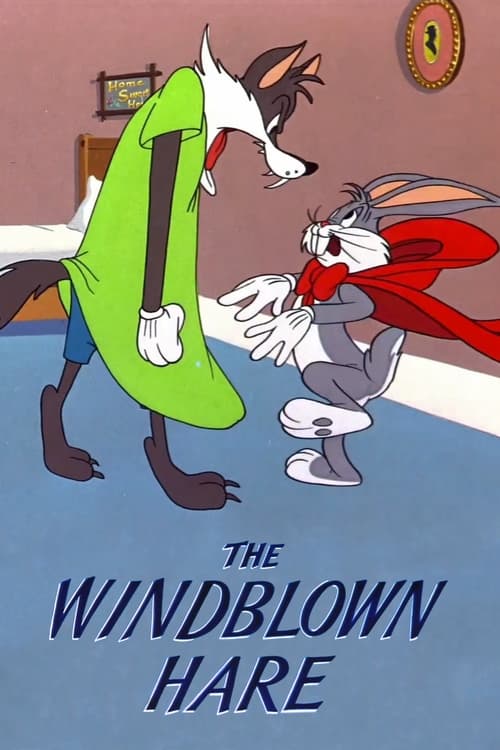
Bugs buys the homes of the three little pigs and the wolf starts blowing them down. Of course you know "this means war."
1954
1950
1963
1949
1945
1948
1964
1942
No reviews yet. Be the first to share your thoughts on this movie!
Use the rating form above to leave a star rating and optional review.