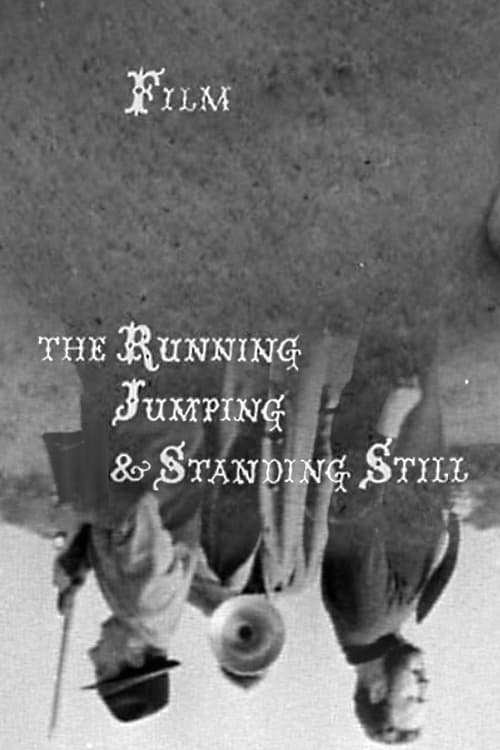
The Running Jumping & Standing Still Film
1959
No user ratings available yet
Representation score: 3.0 out of 10

Representation Score
Fair
1964
Director
Nobuhiko Obayashi
Runtime
14 minutes
Average Rating
No ratings yetNew Showbiz Analysis
Nobuhiko Obayashi’s *Complexe* is a technical exploration that emphasizes experimental editing over character-driven storytelling. Since the film focuses on the mechanics of cinema rather than character development, it lacks the narrative depth needed to assess specific social representations. While the film offers a non-Western perspective due to its Japanese origin, it does not clearly demonstrate progressive gender roles or LGBTQ+ themes. The film occupies a middle ground, providing cultural variety through its origin but remains silent on specific underrepresented identities. Overall, the film’s impact is technical rather than social. It challenges conventional narrative structures through avant-garde techniques, but this does not translate into documented representation of diverse human experiences.
Category Breakdown
The film does not include any explicit LGBTQ+ characters or narratives. Instead, it focuses on technical aspects of editing.
The film does not provide detailed information about gender roles or ability to act. The director's style suggests a move away from strict realism, but there are no non-traditional gender roles.
As a 1964 Japanese film, it operates outside Western cinematic standards. However, specific details about diverse casting are not provided.
The experimental nature of the film suggests a rejection of mainstream narrative structures. However, there is no clear evidence of anti-Western or anti-capitalist themes.
There is no documented evidence regarding the portrayal of physical or neurodivergent disabilities in this short film.
Present on Screen
Limited or Absent
Official Synopsis
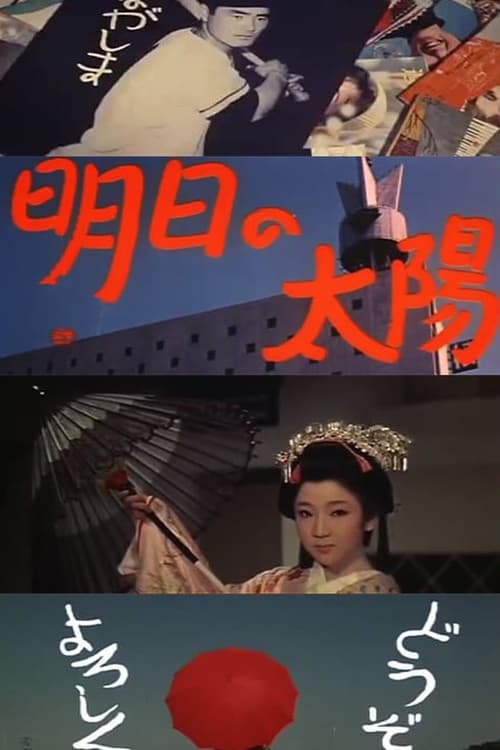
Nobuhiko Obayashi's short experimental film shows off persistence in film editing in the early 60s.
1959
1960
1966

1968
1969

1997
1963
1959
No reviews yet. Be the first to share your thoughts on this movie!
Use the rating form above to leave a star rating and optional review.