
Entr'acte
1924
No user ratings available yet
Diversity score: 2.6 out of 10
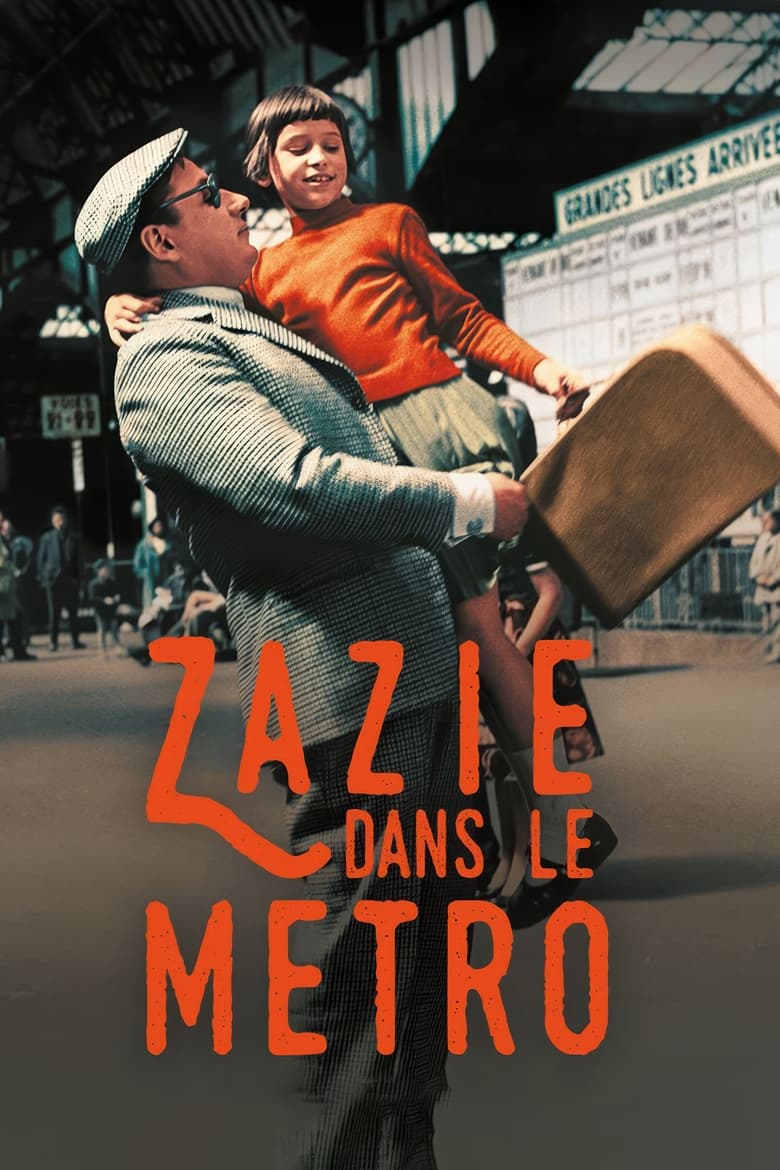
1960
Not RatedDirector
Louis Malle
Runtime
93 minutes
Average Rating
No ratings yetSynopsis
A brash and precocious ten-year-old comes to Paris for a whirlwind weekend with her rakish uncle.
Overall Score
Fair
Category Breakdown
LGBTQ+ Representation
The film lacks explicit LGBTQ+ characters or narratives. The story focuses primarily on the protagonist's chaotic interactions within her urban environment.
Gender Representation
Zazie disrupts mid-century feminine archetypes through her aggressive agency. She rejects submissive social decorum, driving the plot through her own whims and intellectual force.
Racial & Ethnic Diversity
The film presents a predominantly homogeneous Parisian demographic. It lacks significant intersectional representation or a diverse cast that challenges the era's social constraints.
Religious & Cultural Diversity
The narrative celebrates the breakdown of bourgeois order and traditional authority. It uses moral relativism to portray the rules of the adult world as absurd.
Disability Representation
There are no prominent depictions of physical or neurodivergent disabilities. No such identities serve as central narrative drivers in this work.
Strengths
Areas for Improvement
AI Analysis
Louis Malle’s work stands out for its stylistic experimentation and its willingness to disrupt established social hierarchies. The film's strength lies in its subversion of traditional narrative structures and its progressive intent regarding social order. While the film excels at deconstructing institutional authority and providing a highly agentic female lead, it remains demographically narrow. The lack of racial and LGBTQ+ representation limits its intersectional impact. Ultimately, the film is a kinetic rejection of stability. It trades demographic breadth for a sophisticated, postmodern critique of Western social norms and bourgeois logic.
1924
1957
1992

1968
1971
2012

1990

1969
No reviews yet. Be the first to share your thoughts on this movie!
Use the rating form above to leave a star rating and optional review.