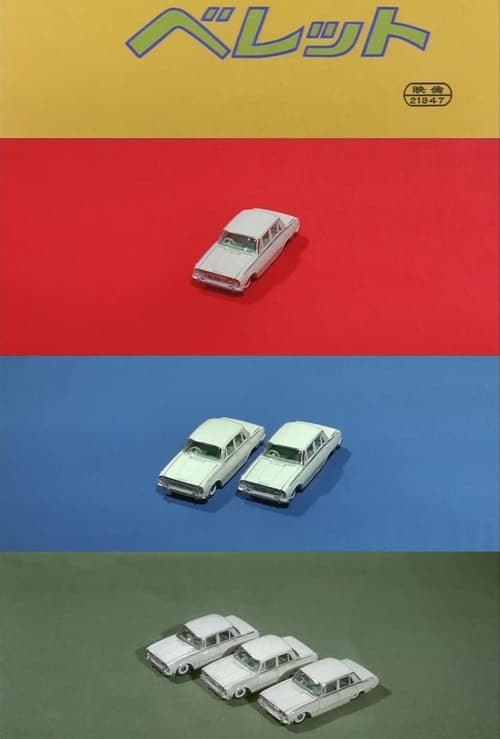
Watashi-wa beretto
1964
No user ratings available yet
Representation score: 5.7 out of 10
Representation Score
Fair
1959
Director
Nagisa Ōshima
Runtime
7 minutes
Average Rating
No ratings yetNew Showbiz Analysis
Nagisa Ōshima’s involvement suggests a film designed to disrupt traditional cinematic structures. While the short-form parody format lacks explicit markers of diversity, the work functions as a stylistic exercise in genre deconstruction. The film critiques the prevailing social and cinematic standards of 1950s Japan through satire. It prioritizes a progressive disruption of narrative expectations rather than overt political messaging. Ultimately, the film serves as a localized lens on identity, using comedy to mimic and subsequently challenge the cultural institutions of its time.
Category Breakdown
The film includes short skits and parodies. There is no direct mention of LGBTQ+ identities, but the use of camp humor may critique societal norms.
The film likely uses satire to challenge traditional gender roles. Nagisa Ōshima’s work often critiques social norms, suggesting a potential deconstruction of conventional masculinity and femininity.
The production features a Japanese cast within a culturally homogeneous setting. There is no evidence of whitewashing or promotion of Western-centric racial hierarchies.
By parodying popular films, the work engages skeptically with mainstream cultural values. This approach suggests a narrative interest in questioning the era's institutional norms.
There is no evidence regarding the portrayal of characters with physical or neurodivergent disabilities in this work.
Present on Screen
Limited or Absent
Official Synopsis
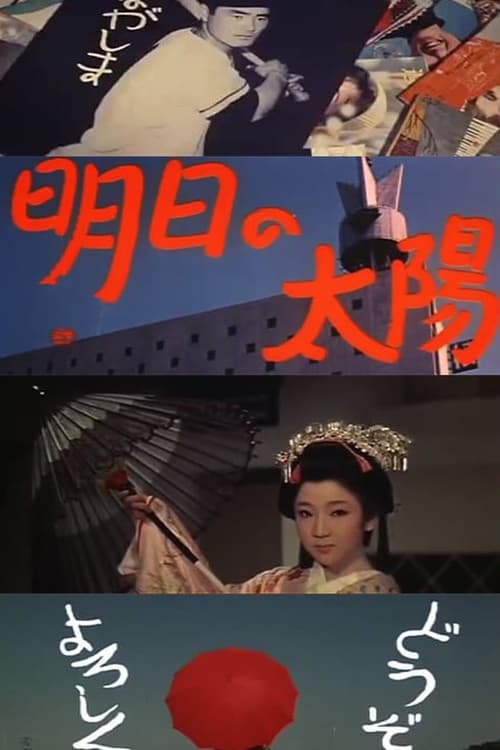
Shochiku's up-and-coming stars take the stage in a series of short skits parodying popular films of the time.
1964
1968

1964

2013
1958
1964
1964
1961
No reviews yet. Be the first to share your thoughts on this movie!
Use the rating form above to leave a star rating and optional review.