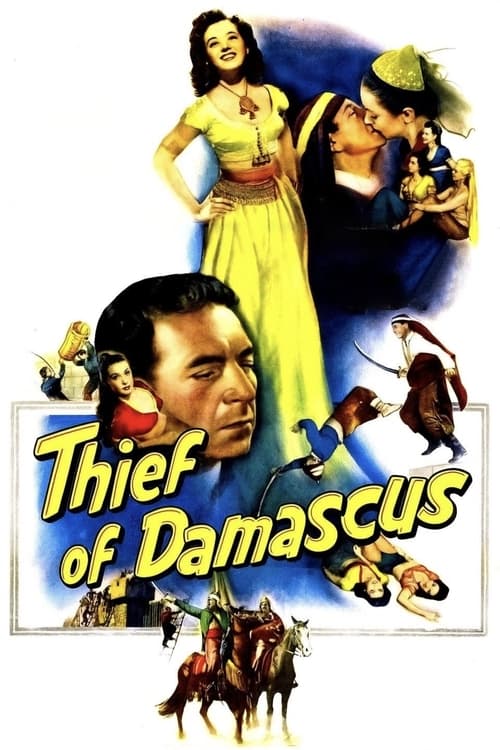
Thief of Damascus
1952
No user ratings available yet
Representation score: 2.9 out of 10
Representation Score
Limited
1961
Not RatedDirector
Antonio Leonviola
Runtime
94 minutes
Average Rating
No ratings yetNew Showbiz Analysis
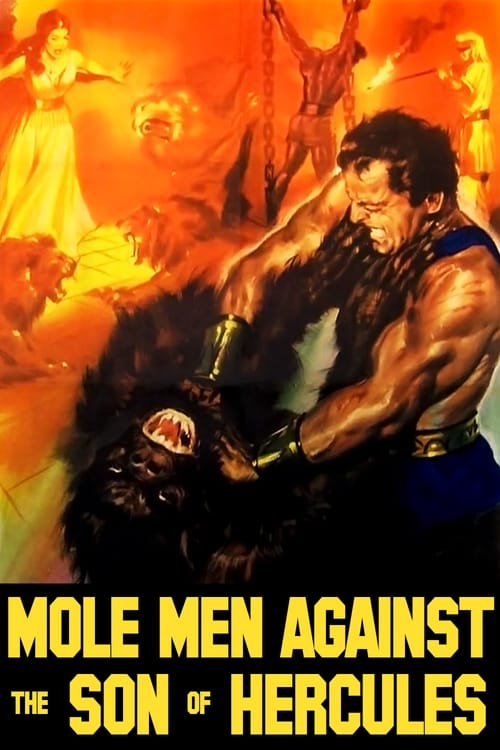
This adventure film operates within the rigid framework of the sword-and-sandal genre. It emphasizes physical prowess and mythic heroism over any exploration of identity or social issues. The narrative reinforces traditional hierarchies, particularly regarding gender and romance. While a female ruler exists, her influence is tied to her romantic interests. Ultimately, the film adheres to the standard hero's journey. It relies on archetypes and supernatural distinctions rather than nuanced cultural or racial representation.
Category Breakdown
The film focuses on heterosexual relationships and traditional conquests, such as the pursuit of Princess Saliura.
Gender roles are strictly traditional, with Maciste acting as the main driver of change through masculine dominance. Female authority is tied to romantic attraction.
Differences among characters are based on aesthetic or supernatural traits rather than ethnic identity. The cast lacks multi-ethnic depth, favoring archetypal hero and captive roles.
The story follows classic mythological structures and a traditional religious hierarchy. It depicts a clash between worlds without critiquing social institutions.
No visible or invisible disabilities are portrayed as central to the character arcs or the plot progression.
Present on Screen
Limited or Absent
Official Synopsis
Maciste arranges for himself and his new friend Bangor to be captured by a mysterious band of white-clad marauders and taken to an underground city. There the two are forced to turn an enormous wheel along with other captives as part of a gold-and-diamonds mining operation. The underground city's queen, Halis Mosab, takes note of the handsome, muscular Maciste and chooses him to be her consort if he can meet such challenges as saving the kidnapped Princess Saliura from a gigantic ape. Maciste kills the ape and carries Saliura back to the aboveground world. The white-clad marauders can't follow them if it means being caught in the sunlight which instantly dissolves them. Maciste then returns to the underground city to save the other captives. Meanwhile, high priest Kahab informs his son, Katar, that their queen is not one of them but, unbeknownst to her, was kidnapped as a small child from the "world above." If Katar can marry her...
1952
1959

1965
1940

1961
1958
1961

1961
No reviews yet. Be the first to share your thoughts on this movie!
Use the rating form above to leave a star rating and optional review.