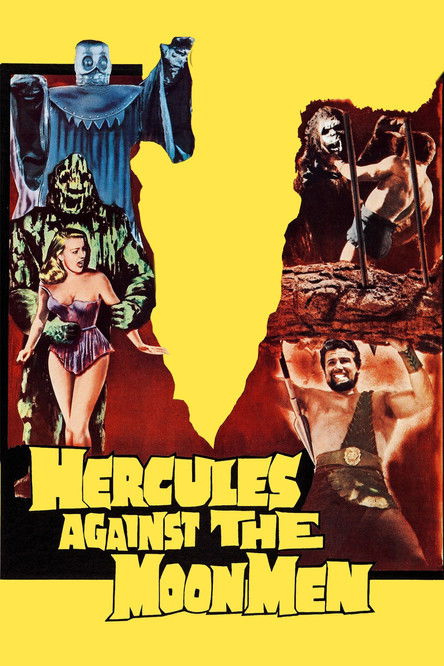
Hercules Against the Moon Men
1964
No user ratings available yet
Representation score: 0.6 out of 10

Representation Score
Limited
1961
Not RatedDirector
Antonio Leonviola
Runtime
95 minutes
Average Rating
No ratings yetNew Showbiz Analysis
Atlas Against the Cyclops is a classic adventure film that emphasizes mythic heroism over social complexity. The film relies on well-known archetypes to propel its storyline, focusing on the physical strength of Maciste against supernatural foes. Representation in the film is traditional, using established clichés to define character morality. Female power is portrayed as inherently corrupt, while physical differences are used to signify villainy rather than human ability to act. Overall, the film is a traditional piece that upholds classical social hierarchies and moral binaries, without exploring diverse identities or systemic power dynamics.
Category Breakdown
The film does not include any characters with LGBTQ identities. It follows traditional romantic and power dynamics typical of 1960s adventure movies.
Gender roles are strictly defined. Queen Capys is portrayed as a dangerous woman, suggesting that female empowerment is a threat to the hero.
The story centers around mythical heroes and monsters set in a fantastical world. There is no indication of diverse or characters who reflect more than one aspect of diversity.
The narrative upholds Western myths and the 'Great Man' theory. It emphasizes individual strength to restore order, reinforcing traditional structures.
Physical differences are used to mark villains. The one-eyed Cyclops is depicted as a monster, using abnormality to signify the 'other'.
Present on Screen
Limited or Absent
Official Synopsis
Strongman Maciste must battle the one-eyed Cyclops monster that is ravaging the land of Sadok, while at the same time fending off the advances of the evil Queen Capys, who wants to do a little ravaging of her own.
1964
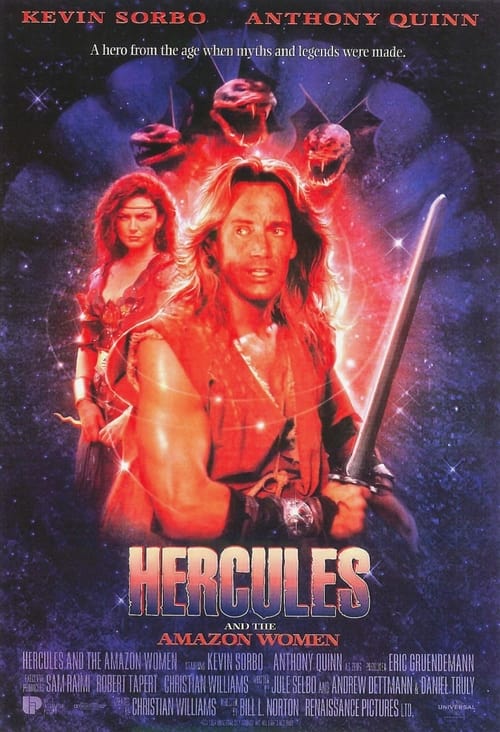
1994
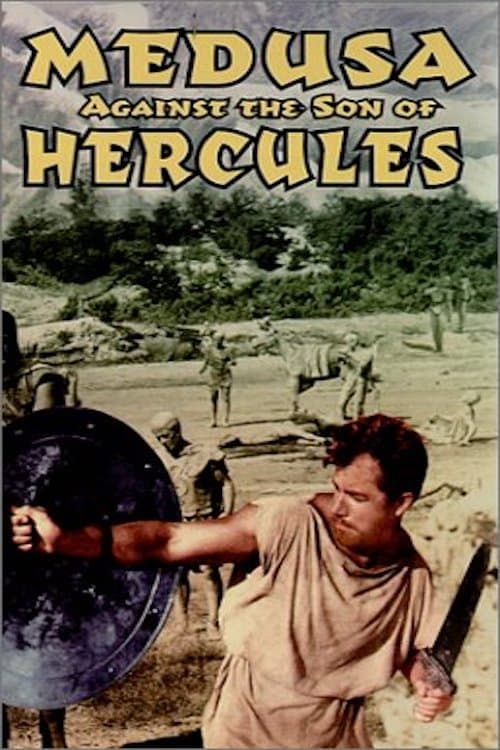
1963
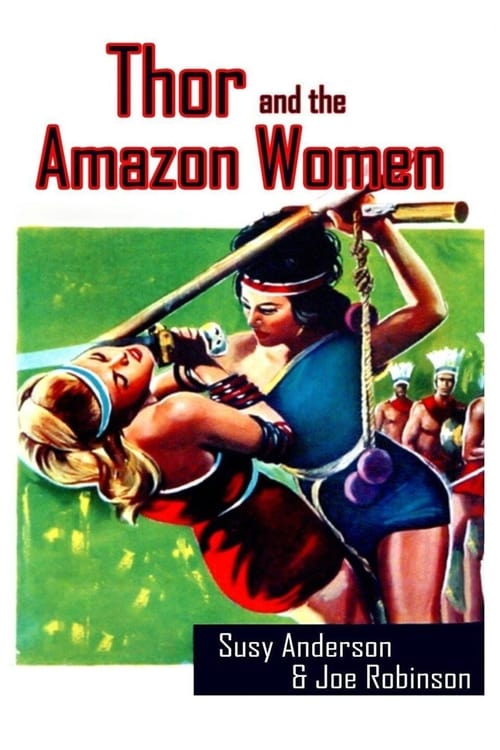
1963
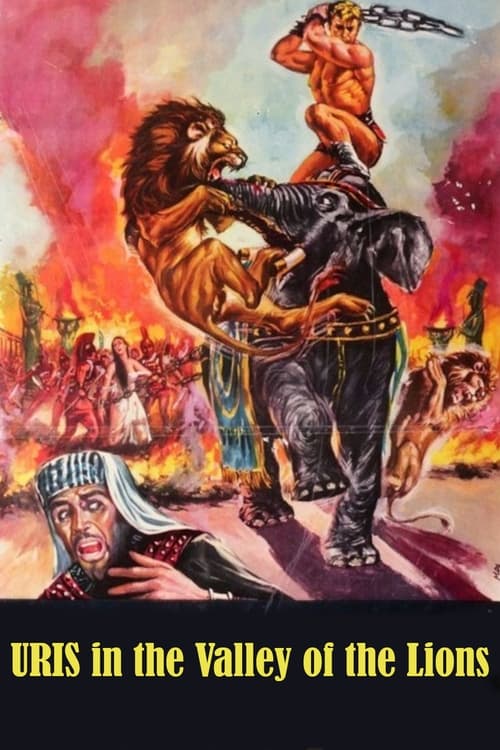
1961
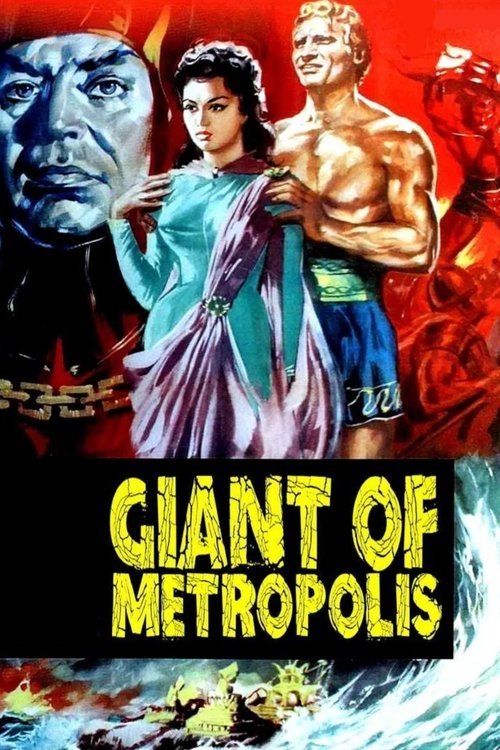
1961
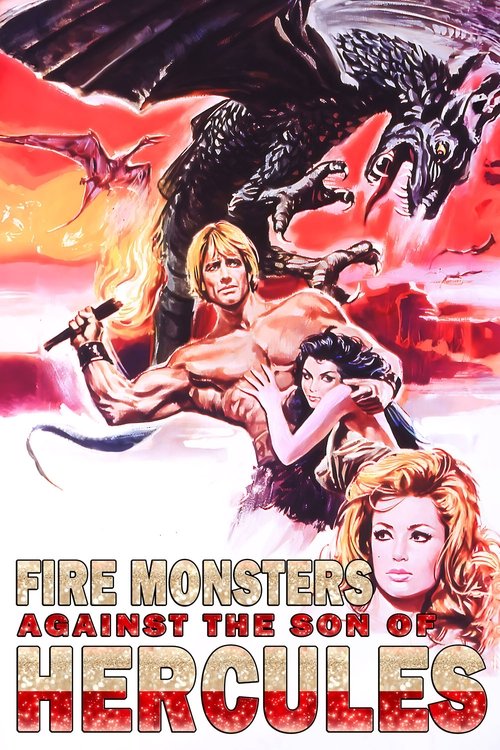
1963
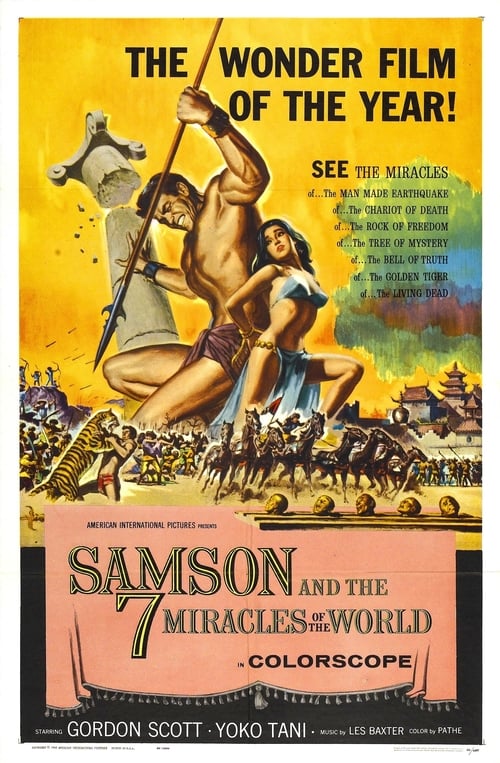
1961
No reviews yet. Be the first to share your thoughts on this movie!
Use the rating form above to leave a star rating and optional review.