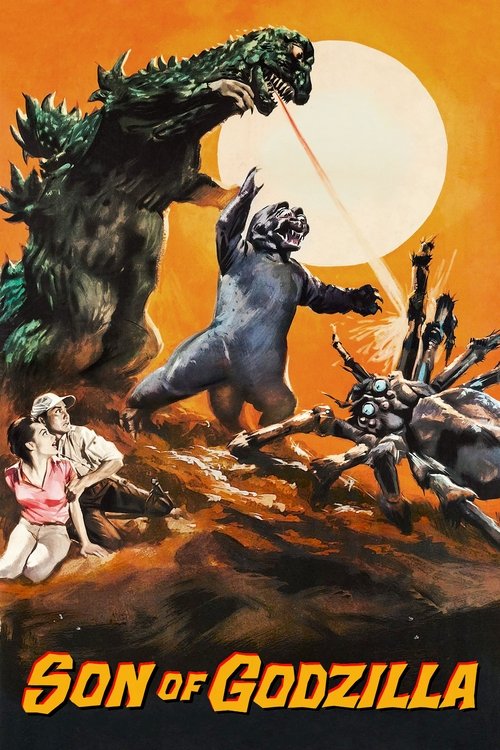
Son of Godzilla
1967
No user ratings available yet
Representation score: 1.3 out of 10
Representation Score
Limited
1961
ApprovedDirector
Ishirō Honda
Runtime
101 minutes
Average Rating
No ratings yetNew Showbiz Analysis
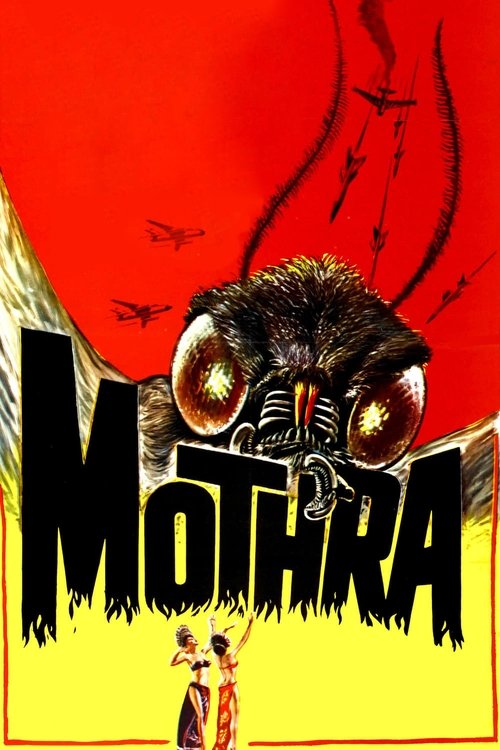
Mothra serves as an ecological fable challenging industrial exploitation. While it adheres to traditional gender hierarchies and lacks LGBTQ+ representation, it effectively critiques colonialism. The film's strength lies in its portrayal of indigenous stewardship and its critique of capitalist greed. It also elevates traditional holistic views over modern technological dominance.
Category Breakdown
The film does not include any LGBTQ+ characters or non-cisgender identities. The story centers around mythological and biological themes.
Gender roles adhere to traditional 1960s structures, with males leading scientific and military efforts. The Shobijin play a symbolic role as spiritual figures rather than independent actors.
The film avoids the white savior cliché by depicting the indigenous population as rightful caretakers of their land. It contrasts a Japanese expedition with the island's native inhabitants.
The story critiques unbridled capitalism through the antagonist Clark Nelson. It highlights ancient traditions and ecological balance over modern industrial progress.
There are no prominent depictions of physical or neurodivergent disabilities among the main characters or their arcs.
Present on Screen
Limited or Absent
Official Synopsis
Shipwreck survivors found on the presumably uninhabited Infant Island leads to a scientific expedition that discovers a surviving native population along with the Shobijin, tiny twin fairy priestesses of the island's mythical deity called Mothra. After the fairies are kidnapped by an exploitative businessman named Clark Nelson, Mothra sets out to rescue them.
1967
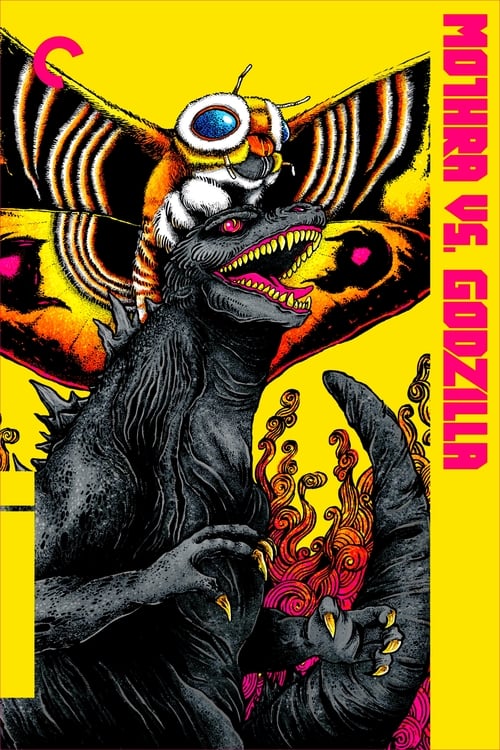
1964
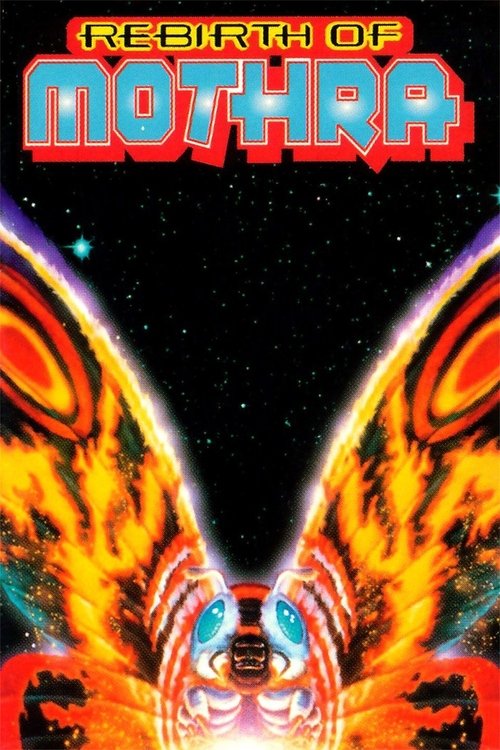
1996
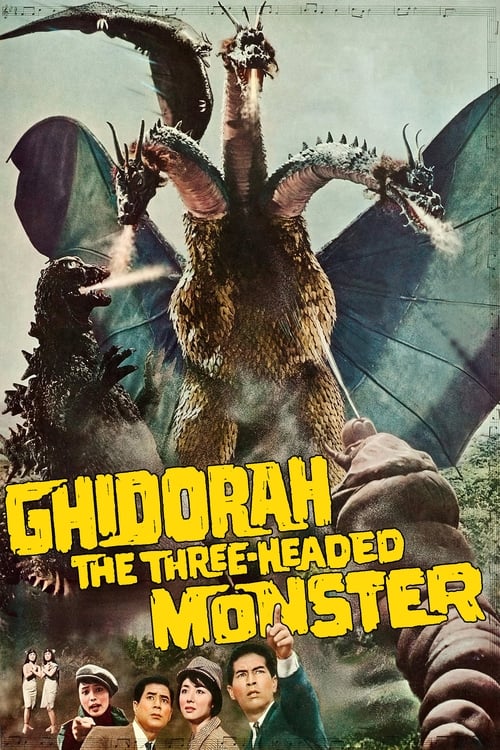
1964
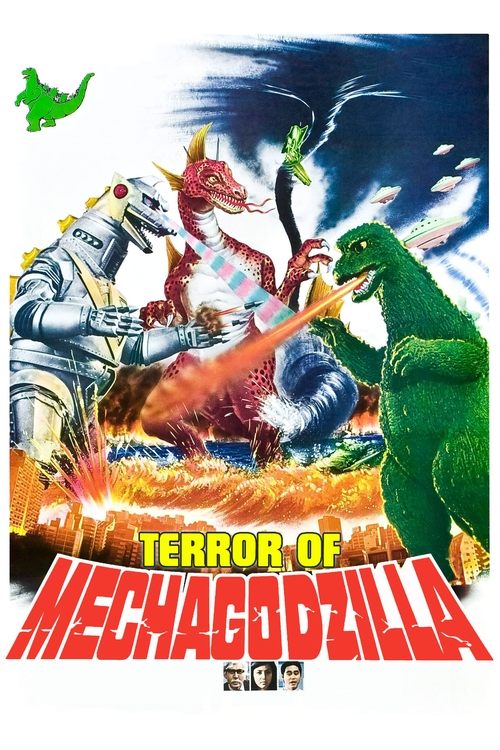
1975
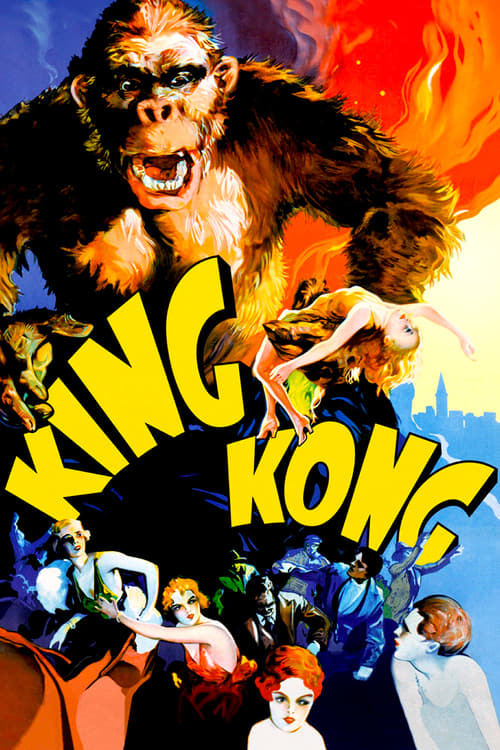
1933
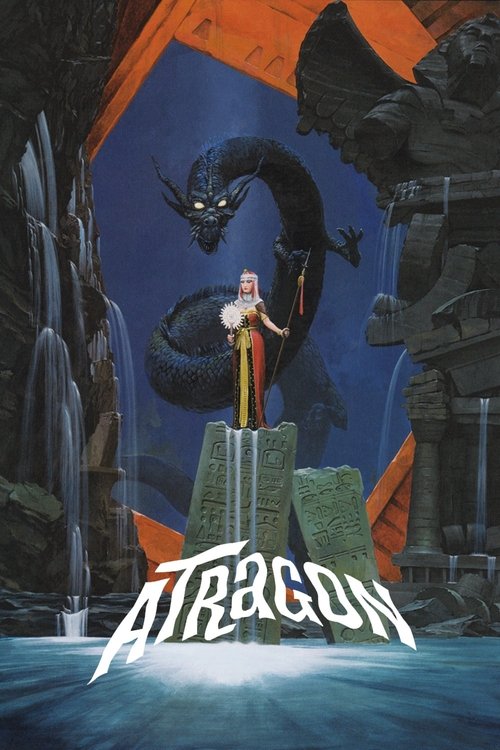
1963
1958
No reviews yet. Be the first to share your thoughts on this movie!
Use the rating form above to leave a star rating and optional review.