Ulysses Against the Son of Hercules
1962
No user ratings available yet
Representation score: 1.8 out of 10
Representation Score
Minimal
1961
NRDirector
Vittorio Cottafavi
Runtime
101 minutes
Average Rating
No ratings yetNew Showbiz Analysis
Hercules and the Captive Women is a typical example of the 1960s Peplum genre, emphasizing classical heroic myths over social complexity. The film relies on established patriarchal structures and Eurocentric casting norms common to the era. The narrative structure reinforces traditional power dynamics. Control is centered around the male protagonist, while female characters are confined to roles of rescue or magical antagonism. Ultimately, the film offers a homogeneous view of the ancient world that avoids disrupting mid-century social hierarchies.
Category Breakdown
The film follows a traditional framework that assumes everyone is straight or cisgender. There are no characters with non-cisgender gender identities or same-sex relationships.
Hercules is the main character who drives the action and physical strength. Female characters such as Ismene and Antinea are mostly passive, often playing roles of damsels in distress or supernatural antagonists.
The cast is primarily made up of white European actors. The production does not include diverse ethnic identities, presenting Ancient Greece from a purely Eurocentric viewpoint.
The story operates as a traditional morality tale that celebrates virtuous heroism. It adheres to classical Western storytelling traditions without questioning established social or religious institutions.
The narrative does not feature characters with visible or invisible disabilities. There is no representation of neurodivergence or disability as a meaningful character trait.
Present on Screen
Limited or Absent
Official Synopsis
King Androcles of Thebes commands a ship in search of a threat to Greece, predicted by an atmospheric oracle. Hercules is part of the crew, but the strongman falls overboard in a thick fog. Washed ashore, he saves a young Ismene from Proteus, an evil, shape-shifting creature. Ismene takes Hercules to Atlantis, where he discovers that her mother, Queen Antinea, has captured Androcles. Hercules schemes to rescue him and thwart Antinea's dream of world conquest.
1962
1994
1964
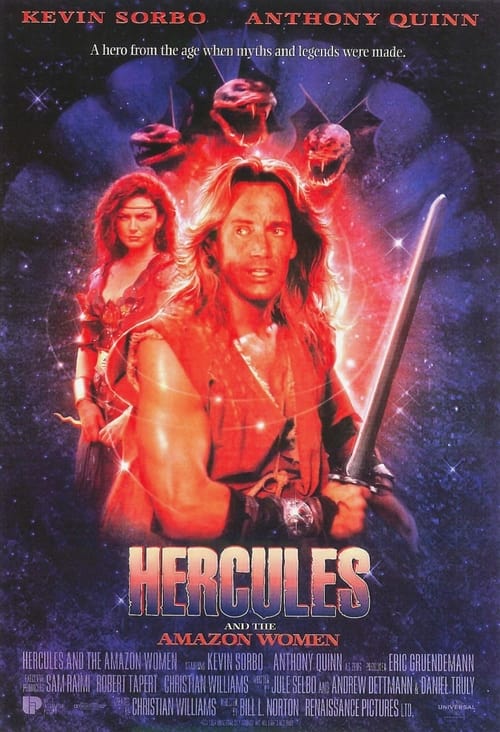
1994

1963
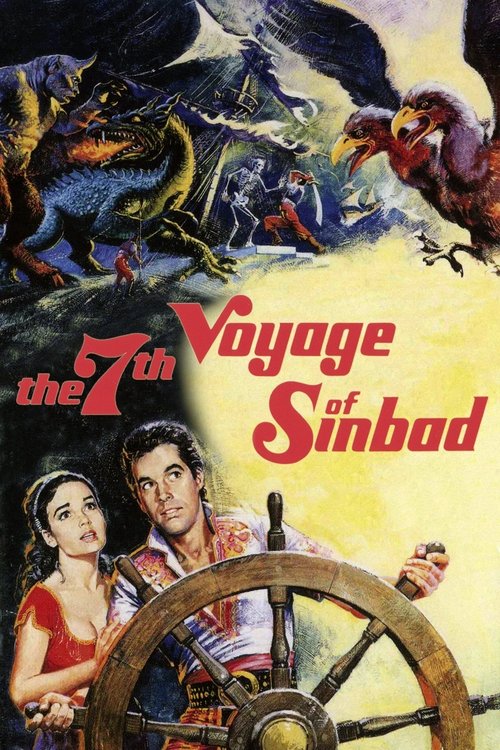
1958
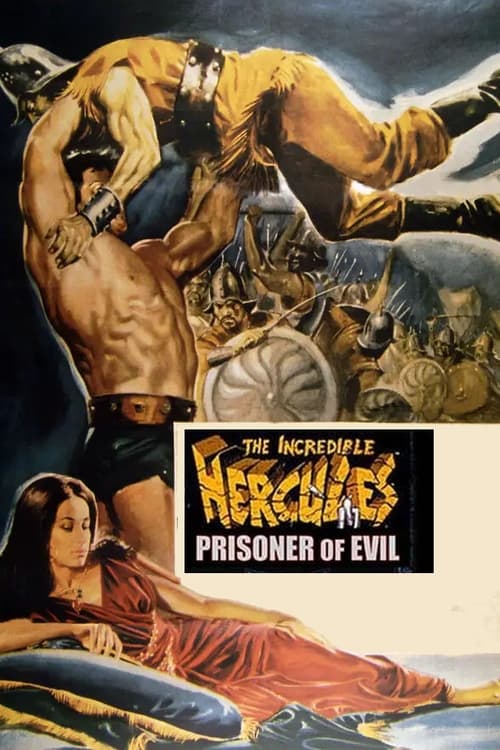
1964
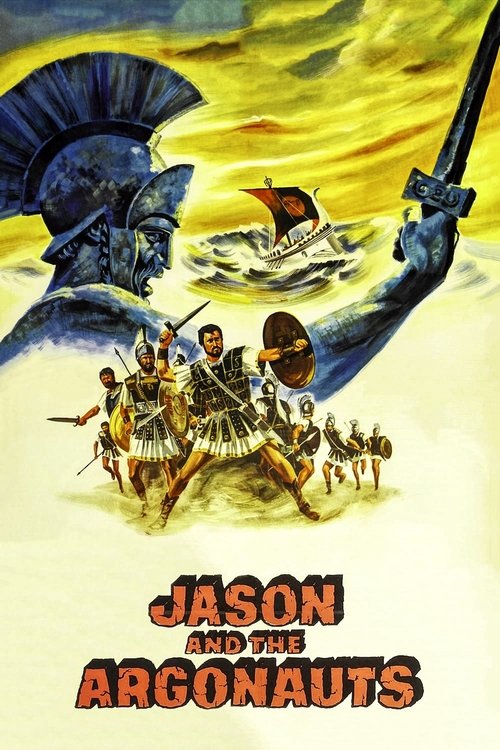
1963
No reviews yet. Be the first to share your thoughts on this movie!
Use the rating form above to leave a star rating and optional review.