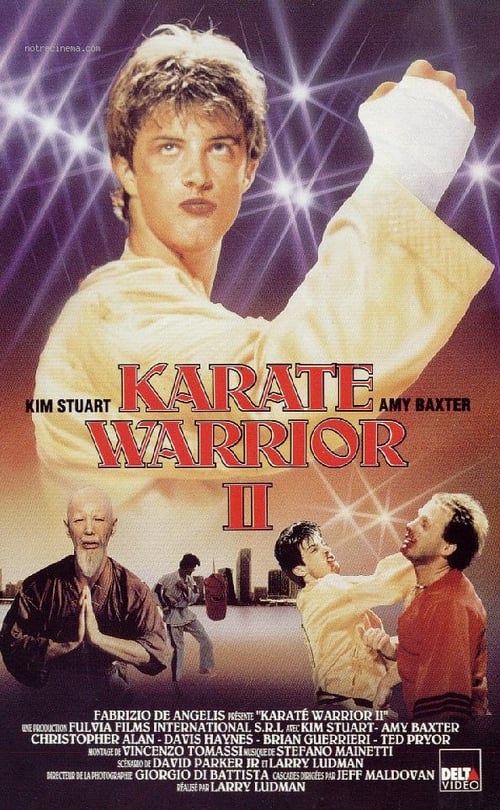
Karate Warrior 2
1988
No user ratings available yet
Representation score: 1.9 out of 10
Representation Score
Limited
1987
Director
Fabrizio De Angelis
Runtime
94 minutes
Average Rating
No ratings yetNew Showbiz Analysis
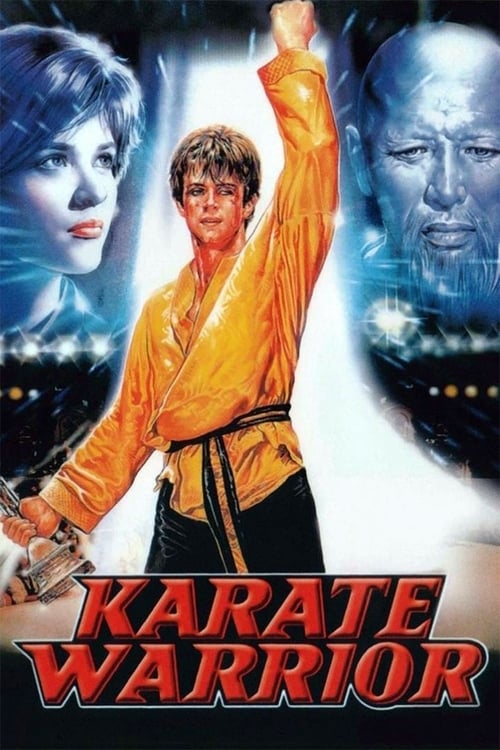
Karate Warrior is a typical 1980s action movie that prioritizes genre clichés over social complexity. The story follows a linear martial arts progression, focusing on a Western hero's personal growth through physical combat. While the Philippine setting introduces ethnic variety, the narrative remains centered on the outsider protagonist. This reliance on the 'hero's journey' archetype limits the depth of local cultural exploration. Ultimately, the film adheres to traditional masculine archetypes and lacks the nuance required to challenge existing social hierarchies or provide diverse representation.
Category Breakdown
The film follows a typical masculine journey focused on physical struggle. There are no non-cisgender identities or narratives that challenge heterosexuality.
The story centers around a male protagonist's development and his conflict with a male antagonist. It emphasizes traditional masculine leadership and physical dominance.
The film sets its story in the Philippines, featuring a local monk. However, it follows the cliché of a Western protagonist entering a foreign land for training.
The film uses established Western views of Eastern spirituality through the 'old monk' character. It highlights individual heroism rather than systemic issues.
There is no information available regarding the depiction of physical or neurodivergent disabilities.
Present on Screen
Limited or Absent
Official Synopsis
Anthony is in the Phillipines visiting his father. He inadvertently interferes with the affairs of local gangster Quino, who also happens to be a champion Karate fighter. After embarrassing Quino near a local tournament, Anthony is beaten up and left for dead. An old monk nurses Anthony back to health and teaches him the ways of martial arts so he may go back and fight Quino again.
1988

1972
1998
1976
1991
1989

1998
1984
No reviews yet. Be the first to share your thoughts on this movie!
Use the rating form above to leave a star rating and optional review.