Camouflage
1977
No user ratings available yet
Representation score: 4.0 out of 10
Representation Score
Excellent
1991
Director
Jerzy Skolimowski
Runtime
89 minutes
Average Rating
No ratings yetNew Showbiz Analysis
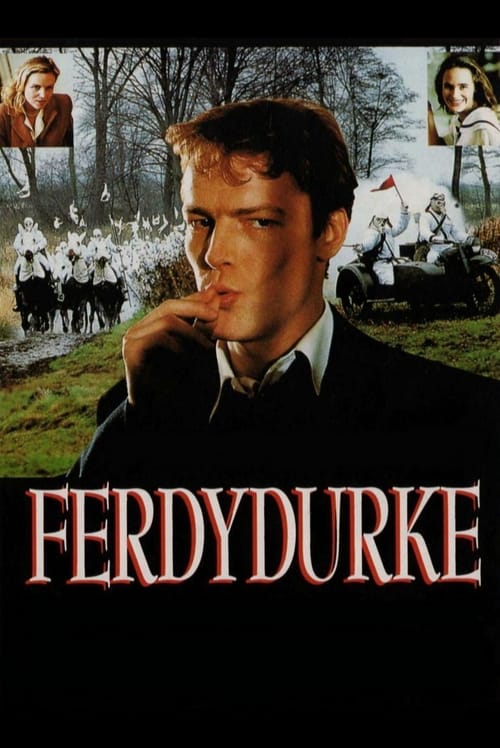
30 Door Key serves as a sophisticated deconstruction of identity rather than a simple checklist of demographics. By focusing on a protagonist who resists the 'forms' of adulthood, the film aligns with progressive views on the fluidity of identity and the critique of institutionalized social roles. The film's strength lies in its philosophical depth, using the historical backdrop of 1939 Warsaw to explore how societal structures try to shape individuals. It goes beyond surface-level representation to challenge the very concept of social performance. However, the film's historical setting and focus on specific Polish cultural themes limit its broader racial and ethnic diversity. The narrative remains deeply rooted in a particular European context.
Category Breakdown
The film explores behaviors that go beyond traditional norms and challenges typical ideas about identity. It focuses on the flexibility of personal identity, which goes against the usual expectations of how adults should behave.
The story questions the traditional idea of masculinity and the strict roles men were expected to follow in the 1930s. It challenges the traditional hierarchy of gender roles by examining the social pressures placed on individuals.
Set in 1939 Warsaw, the cast reflects the demographics of the time. The film highlights Polish cultural identity, offering a non-Western perspective on global conflicts.
The film emphasizes personal psychological truth over institutional norms. Using Gombrowicz’s philosophy, it breaks down established societal norms and traditional social customs.
The main character's struggle with psychological regression and infantilization explores experiences similar to those of neurodivergent individuals. It looks at the challenges of living in a world that demands certain levels of emotional maturity.
Present on Screen
Limited or Absent
Official Synopsis
A young writer in 1939 Warsaw faces the conflict of acting his age or relapsing into childhood during the brink of World War II. Based on the famous novel Ferdydurke by Witold Gombrowicz.
1977
1985
2015

1966

1985
1999
1980
1986
No reviews yet. Be the first to share your thoughts on this movie!
Use the rating form above to leave a star rating and optional review.