
The Woman with Red Boots
1974
No user ratings available yet
Representation score: 4.9 out of 10

Representation Score
Fair
1966
Director
Wojciech Has
Runtime
183 minutes
Average Rating
No ratings yetNew Showbiz Analysis
Wojciech Has creates a surrealist masterpiece that prioritizes intellectual and structural diversity over modern identity-based casting. The film’s strength lies in its labyrinthine architecture, which systematically questions the idea of a singular, objective truth. While the film lacks LGBTQ+ representation and occasionally relies on traditional gender clichés, it successfully challenges historical homogeneity. By featuring Romani populations and questioning military authority, it offers a sophisticated subversion of the Napoleonic era. Ultimately, the work serves as a postmodern exploration of moral relativism, replacing rigid religious or social certainties with a complex, dream-like examination of human existence.
Category Breakdown
The film centers on traditional romantic and mystical relationships, lacking prominent LGBTQ+ identities. Instead, it emphasizes conventional heterosexual dynamics.
Women play active roles in driving the protagonist's development rather than being passive figures. However, the film sometimes uses historical archetypes such as the enigmatic seductress.
The story includes Romani populations and highlights tensions between aristocratic and nomadic communities. This inclusion adds complexity to the otherwise homogeneous Napoleonic setting.
The nested structure promotes moral relativism and subjective reality. It depicts rigid social and military hierarchies as decaying, favoring esoteric or mystical interpretations over strict doctrine.
There is no significant or central depiction of visible or invisible disabilities in the film.
Present on Screen
Limited or Absent
Official Synopsis
During the Napoleonic wars, a Spanish officer and an opposing officer find a book written by the former's grandfather.
1974
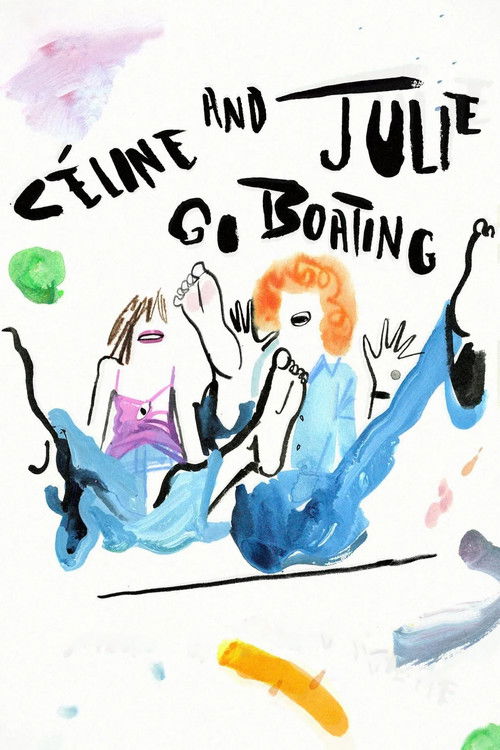
1974
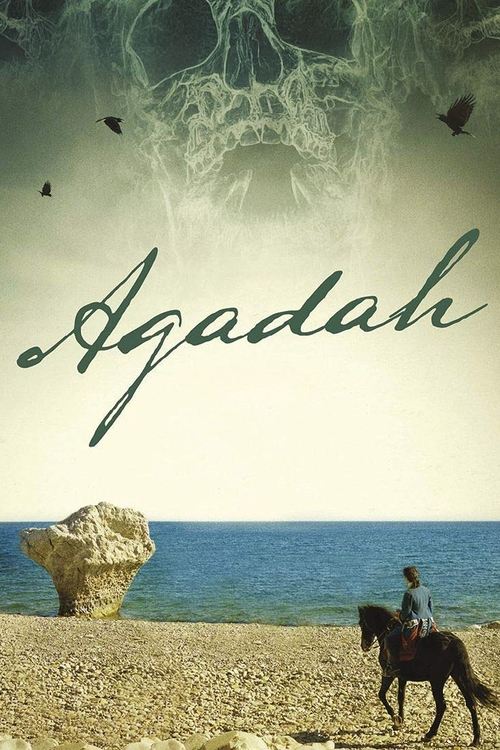
2017
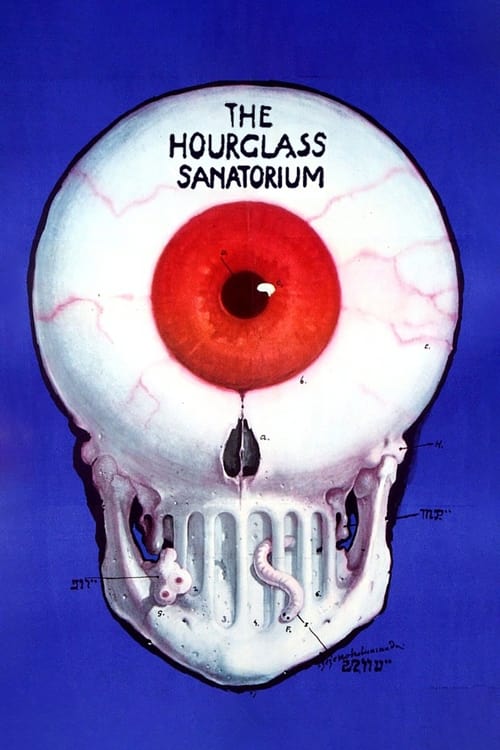
1973
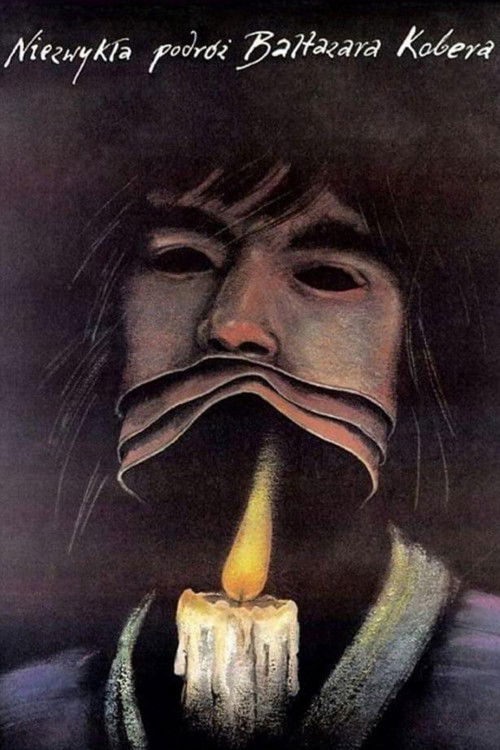
1988
1944

2002

1988
No reviews yet. Be the first to share your thoughts on this movie!
Use the rating form above to leave a star rating and optional review.