A Piece of Sky
1980
No user ratings available yet
Representation score: 5.6 out of 10
Representation Score
Fair
1980
Director
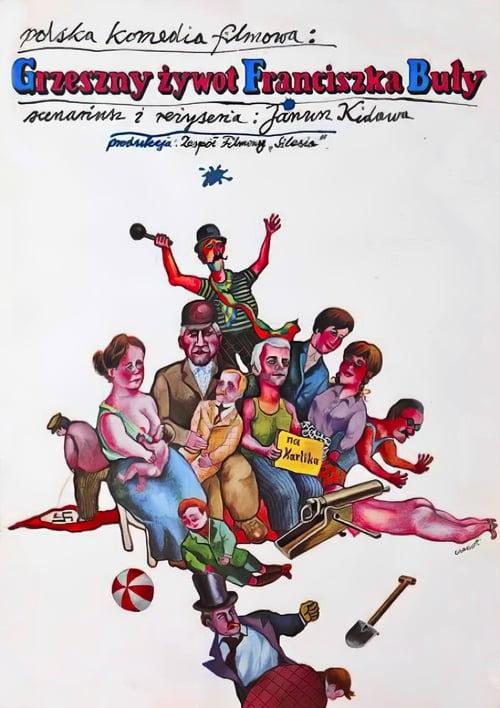
Janusz Kidawa
Runtime
98 minutes
Average Rating
No ratings yetNew Showbiz Analysis
Janusz Kidawa’s film excels at elevating regional Silesian identity and working-class struggles to the level of epic folk drama. By blending fantasy with the harsh realities of mining and poverty, it offers a profound critique of systemic oppression and state authority. However, the film remains tied to traditional social structures. The narrative is heavily centered on male-driven political and labor struggles, leaving little room for diverse gendered or sexual identities to drive the plot.
Category Breakdown
The film lacks explicit LGBTQ+ characters or narratives that challenge traditional relationships. It focuses on traditional folk archetypes and class struggles within conventional social structures.
The narrative centers on the male experiences of Franciszek Buła, focusing on mining and political uprisings. While a circus troupe suggests diverse roles, primary control remains male-dominated.
The film provides significant representation of Silesian identity. It elevates regional ethnic nuances to an epic level, challenging a singular national identity through the lens of local uprisings.
The story disrupts hierarchies by highlighting communist activities and the struggle against poverty. It prioritizes the lived experience of the working class through a blend of fantasy and reality.
There is no specific evidence regarding the portrayal of visible or invisible disabilities. The film focuses on the physical realities of mining and poverty instead.
Present on Screen
Limited or Absent
Official Synopsis
The end of the 1930s. Wilek Lizoń, a true-blue Silesian, together with his troupe of actors and circus performers, stages a play in the courtyards of miners' tenement houses. The main character is Franciszek Buła, a figure from folk tales. Buła's story begins during the Silesian Uprisings. The courtyard artists present vivid images of Frank's school years, his work in the mine, his communist activities, his imprisonment, and his constant poverty. Fantasy mixes with reality.
1980

2014
2000
1980
2001
1981
1989
1991
No reviews yet. Be the first to share your thoughts on this movie!
Use the rating form above to leave a star rating and optional review.