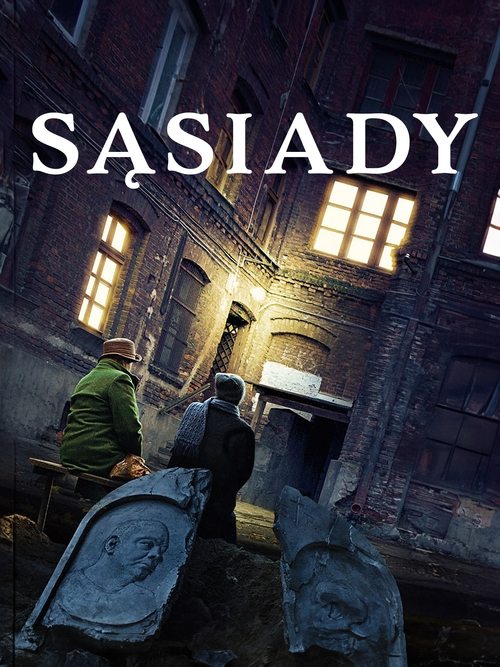
Neighborhooders
2014
No user ratings available yet
Representation score: 7.7 out of 10
No Poster Available
Representation Score
Good
2015
Director
Grzegorz Jarzyna
Runtime
71 minutes
Average Rating
No ratings yetNew Showbiz Analysis
No Matter How Hard We Tried is a deeply gendered satire that finds its strength in its female-centric perspective. By centering three generations of women, the film transforms the domestic space into a powerful arena for social and political critique. However, the film's scope is narrow in terms of identity politics. It lacks explicit LGBTQ+ representation and racial diversity, focusing instead on the specific, homogeneous socio-economic landscape of post-Communist Poland. Ultimately, the film trades broad demographic variety for a sharp, culturally specific deconstruction of consumerism and national identity.
Category Breakdown
The film focuses on domestic friction between three generations of women. While the satirical lens challenges traditional assumptions about relationships, there is no explicit depiction of queer romance or non-traditional gender identities.
The narrative centers around women, highlighting the roles of three generations. These characters drive the social commentary, challenging traditional hierarchies by making the domestic sphere a site of intellectual critique.
The cast appears largely homogeneous, reflecting the socio-political landscape of Warsaw. Diversity is expressed through socio-economic and generational differences rather than through varied ethnic backgrounds.
The film excels at critiquing Western-style consumerism and post-Communist capitalism. It uses pop-culture references and national stereotypes to explore the friction between historical identity and modern capitalist influence.
An ailing grandmother introduces themes of physical decline and dependency. However, her condition serves more as a catalyst for familial tension and claustrophobia than as a nuanced exploration of disability as a primary identity.
Present on Screen
Limited or Absent
Official Synopsis
An adaptation of Dorota Masłowska's play. The film satirically portrays post-Communist Polish society through three generations of women, an ailing grandmother, her daughter Halina, and granddaughter “Little Metal Girl”, crammed into a shabby Warsaw flat, their lives peppered with absurd pop-culture quips, ad slogans, tabloids, and national stereotypes. Their cramped world is populated by quirky neighbors, a leaflet-dropping Bożena, an eccentric film director, two actors, a TV presenter, and Edyta, who crusades for the poor.
2014
1980
1990

1999

2021

2015

2021

1991
No reviews yet. Be the first to share your thoughts on this movie!
Use the rating form above to leave a star rating and optional review.