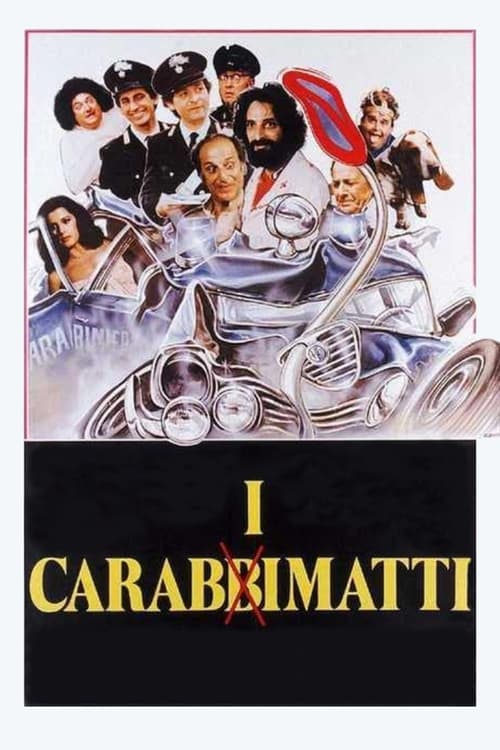
I carabbimatti
1981
No user ratings available yet
Diversity score: 3.2 out of 10
1981
Director
Giuliano Carnimeo
Runtime
82 minutes
Average Rating
No ratings yetSynopsis
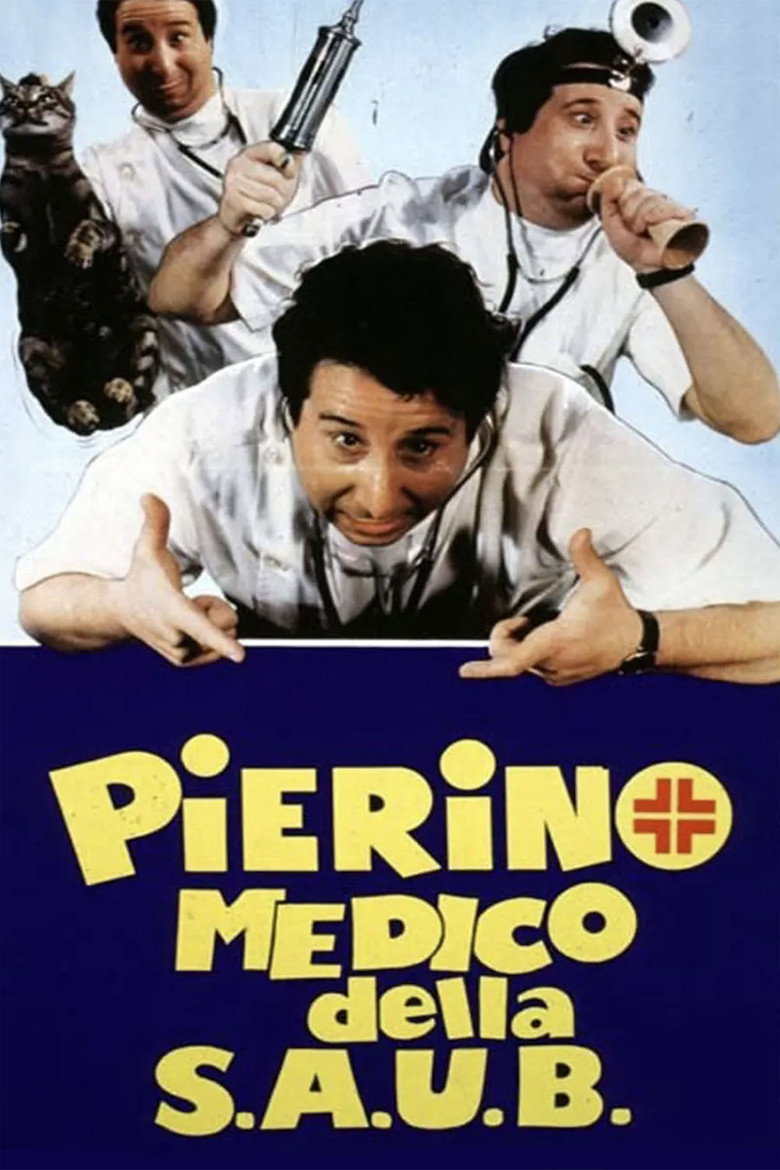
Alvaro Gasperoni, alias Peter returned to Rome with their families from Addis Ababa, where he received his bachelor's degree in medicine. Helped by his father through a recommendation from the P2 Lodge, he manages to get in a hospital in Rome as assistant to the primary. Here begins the struggle with other colleagues to buy up the post of deputy prime. As any good doctor is measured by the number of patients who, the whole family and all his friends are hospitalized; He, in this way, comes from the league winner. The fatal destiny wants its affair is discovered by an inspector of the Ministry of Health, and Peter will be dismissed from the hospital. This will not deter the protagonist by the medical profession; who continue to indulge in a private clinic run "family".
Overall Score
Minimal
Category Breakdown
LGBTQ+ Representation
The film lacks any LGBTQ+ characters or exploration of non-heteronormative identities. It operates within a traditional comedic framework that avoids queer themes entirely.
Gender Representation
The narrative is heavily male-centric, focusing on male-driven physical comedy and professional environments. Women lack agency and are relegated to traditional roles within the farce.
Racial & Ethnic Diversity
The cast is predominantly homogeneous, reflecting the era's localized production. While the protagonist returns from Addis Ababa, the focus remains on domestic Italian social structures.
Religious & Cultural Diversity
The film uses nepotism and corruption, such as the P2 Lodge, as comedic devices. It critiques institutional authority through slapstick rather than structured social deconstruction.
Disability Representation
The medical setting serves primarily as a backdrop for physical mishaps. There is no evidence of characters with disabilities being portrayed with meaningful agency.
Strengths
Areas for Improvement
AI Analysis
Pierino medico della SAUB is a quintessential product of early 1980s Italian slapstick. The film prioritizes escapist humor and archetypal characters over any meaningful engagement with social or intersectional diversity. The narrative architecture reinforces traditional hierarchies and gender roles. While it touches on systemic corruption and nepotism, these elements function as punchlines rather than tools for progressive social critique. Ultimately, the film relies on established genre tropes that favor a homogeneous, male-dominated perspective, offering little representation for marginalized groups or diverse identities.
1981
1954

1990

1982
1957
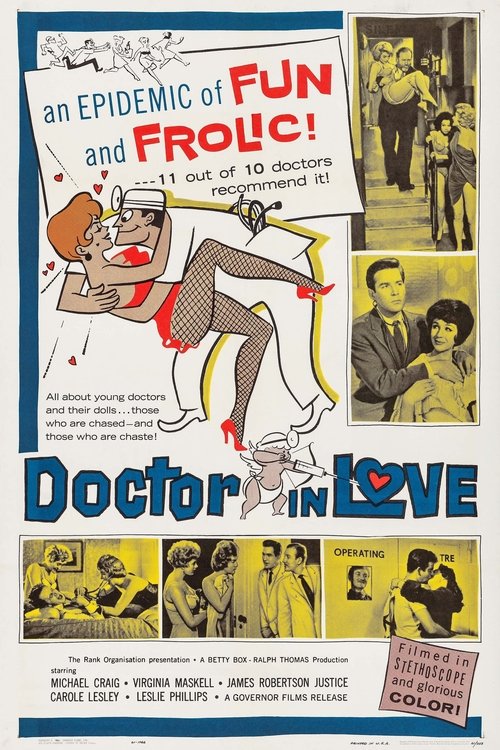
1960

1970
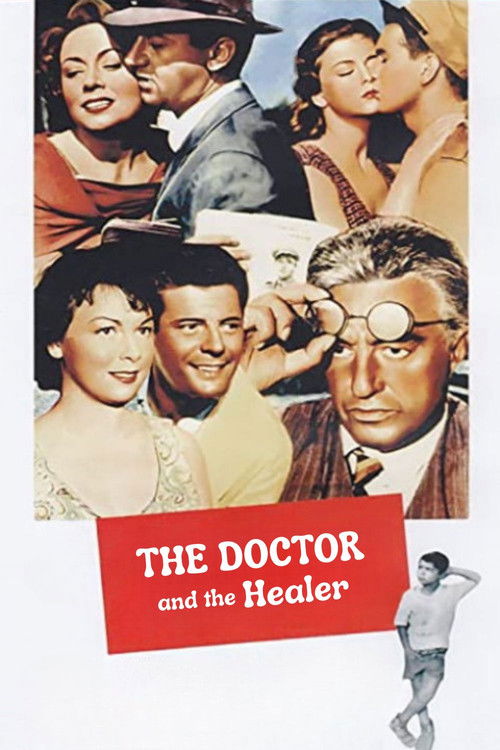
1957
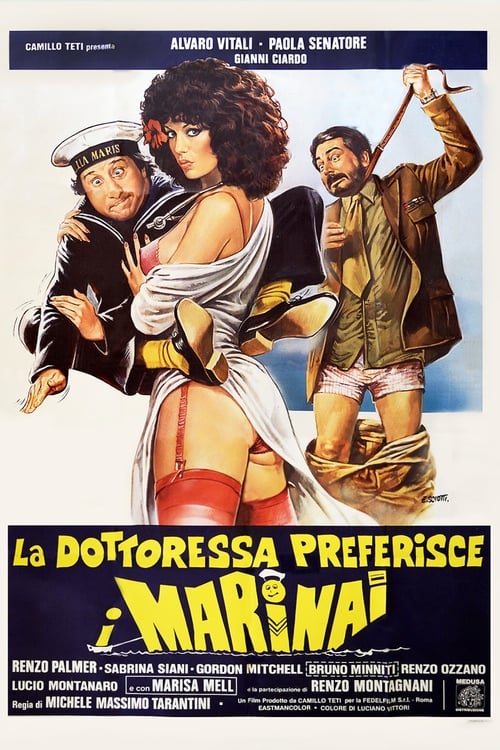
1981

1969
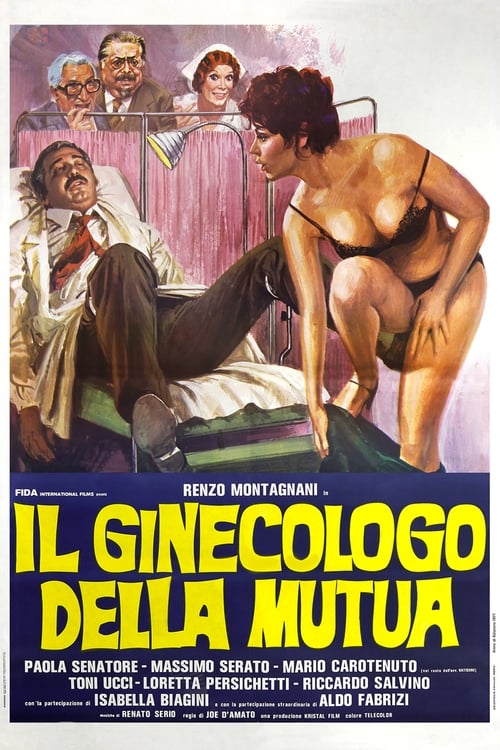
1977
1966
No reviews yet. Be the first to share your thoughts on this movie!
Use the rating form above to leave a star rating and optional review.