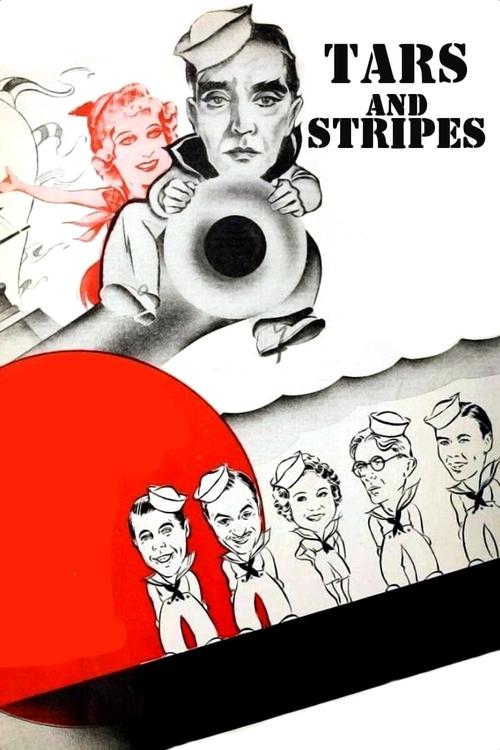
Tars and Stripes
1935
No user ratings available yet
Diversity score: 2.4 out of 10

1952
SDirector
Matti Oravisto
Runtime
77 minutes
Average Rating
No ratings yetSynopsis
Private Tossavainen and Corporal Konstila end up cleaning the apartment of Captain Kulma, their company commander, while trying to avoid outdoor duty. The neropats compete for the attention of maid Maiju when Captain Agatha's aunt, who has spent her life at sea, arrives for a visit with her foster daughter Emma, turning the entire barracks upside down.
Overall Score
Limited
Category Breakdown
LGBTQ+ Representation
The film lacks any depiction of non-heteronormative identities or same-sex intimacy. The plot centers on men competing for a woman's attention, following a conventional romantic structure.
Gender Representation
Male characters dominate the narrative through their military roles and domestic mishaps. Women like Maiju and Emma appear primarily as catalysts for male interaction or objects of pursuit.
Racial & Ethnic Diversity
The production reflects the demographic norms of 1952 Finland, suggesting a highly homogeneous cast. There is no evidence of diverse ethnic or non-European identities.
Religious & Cultural Diversity
The story operates within traditional military and social structures. It reinforces established institutional orders rather than offering a critique of these social frameworks.
Disability Representation
The narrative contains no mention of characters with visible or invisible disabilities. No information is available to assess this category.
Strengths
Areas for Improvement
AI Analysis
Komppanian neropatit is a product of its time, adhering strictly to the social and demographic constraints of 1950s Finnish cinema. The comedy relies on traditional hierarchies and conventional gender roles, offering little in the way of narrative subversion. The film's focus on military life and domestic mishaps reinforces existing social orders. While female characters are present, they function mostly as plot devices to drive male-centric conflict. Ultimately, the work serves as a standard genre piece that mirrors the homogeneity of its era rather than challenging it.
1935
1978
1956
1973
1956
1951
1948
1951

1981
1947
1941
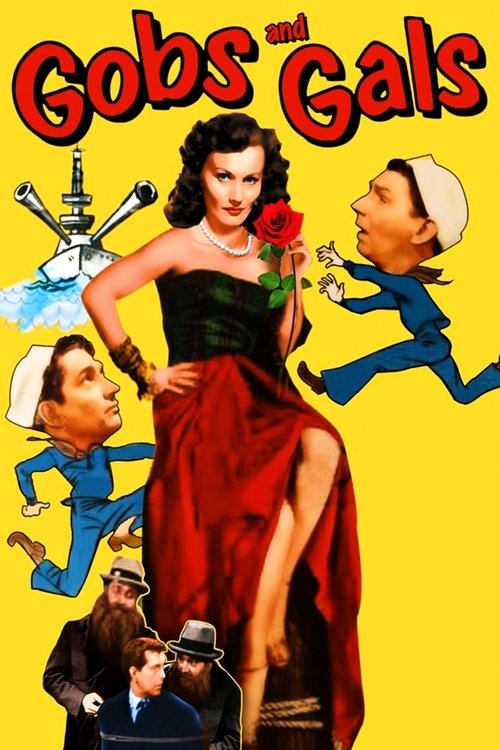
1952
No reviews yet. Be the first to share your thoughts on this movie!
Use the rating form above to leave a star rating and optional review.