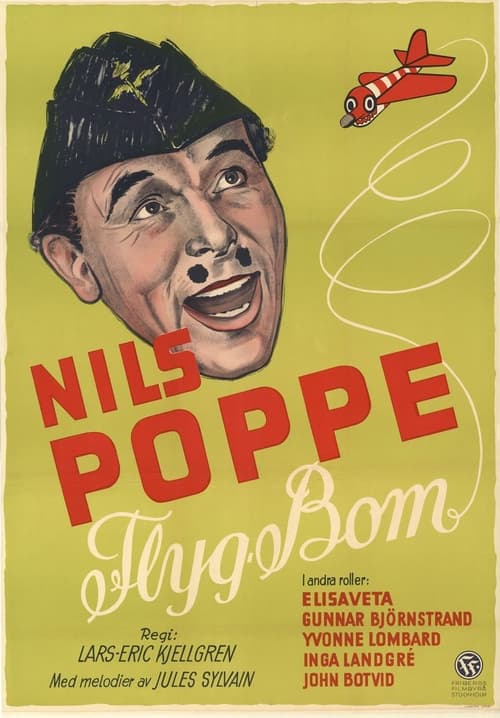
Flyg-Bom
1952
No user ratings available yet
Representation score: 1.8 out of 10
Representation Score
Minimal
1948
Director
Lars-Eric Kjellgren
Runtime
89 minutes
Average Rating
No ratings yetNew Showbiz Analysis
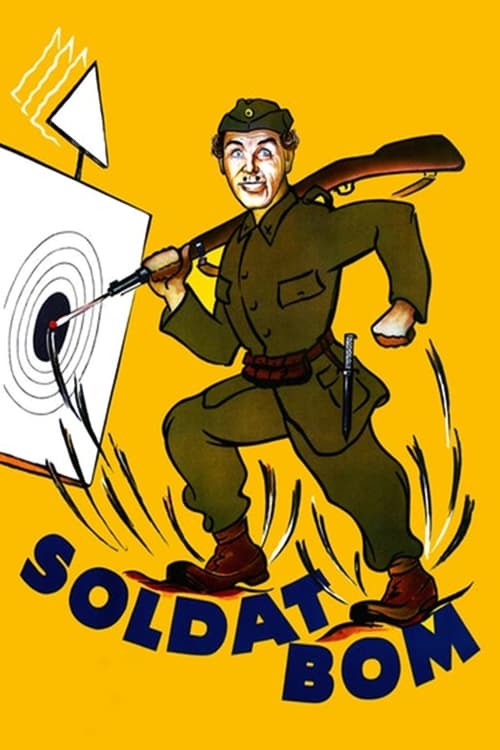
Private Bom is a product of its era, prioritizing mid-century comedic traditions over progressive storytelling. The narrative structure relies heavily on established social hierarchies and traditional gender roles to drive its humor. The film celebrates military discipline and duty, using the protagonist's rigid personality for comedic effect. However, it does not challenge the cultural norms of the 1940s. Overall, the work presents a narrow view of identity that aligns with the period's standard European cinematic output.
Category Breakdown
The film does not include any characters with non-cisgender identities or same-sex relationships. The romantic focus is solely on a traditional heterosexual relationship between Bom and Plum-Plum.
Gender roles follow traditional mid-century patterns. While Bom's obsession with duty provides a comedic critique of masculinity, female characters lack a significant role in driving the story and are defined by their romantic interests.
The film features a homogeneous cast typical of 1940s European cinema. There is no indication of diverse ethnic identities within the main storyline.
The story emphasizes traditional Western values such as military discipline and punctuality. It centers on the protagonist's integration into established social and institutional hierarchies.
There is no mention of characters dealing with physical, neurodivergent, or mental health conditions within the narrative.
Present on Screen
Limited or Absent
Official Synopsis
The station-master Fabian Bom is a very meticulous person, and he makes sure that the trains leaves exactly - on the second. To him, nothing could be more important than duty, efficiency and punctuality, in fact, his sense of duty is clearly perverted. His beloved Plum-Plum, the major's daughter, is infatuated with army officers. To regain her attention, he joins the infantry. Bom becomes a soldier who loves the military training, long marches as well as hard labour as punishment. He meets Agnes, who falls madly in love with him.
1952
1949

1959
1952
1964
1956

1951
1949
No reviews yet. Be the first to share your thoughts on this movie!
Use the rating form above to leave a star rating and optional review.