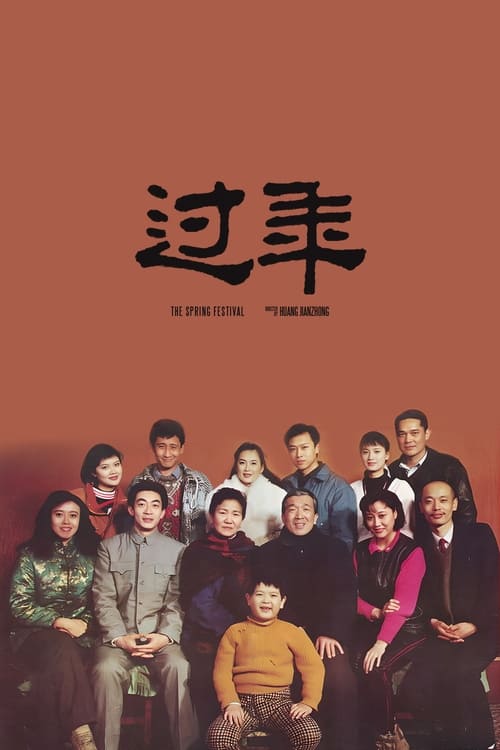
The Spring Festival
1991
No user ratings available yet
Diversity score: 4.3 out of 10
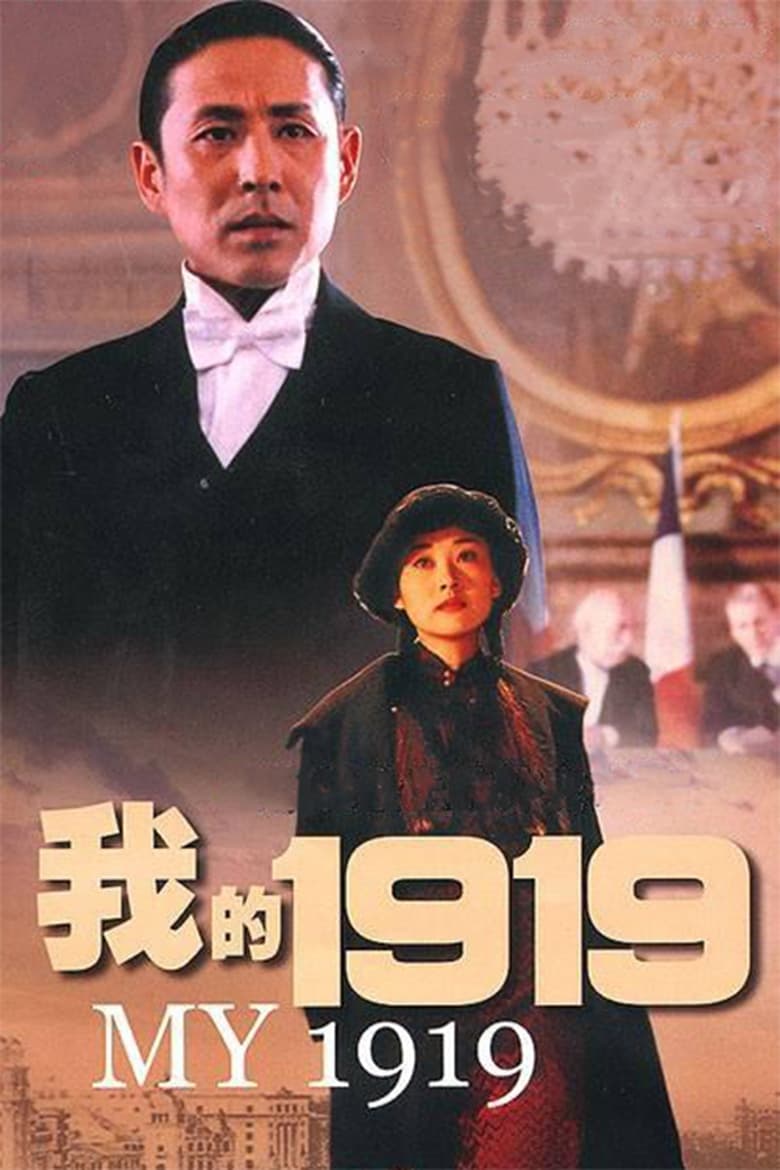
1999
Director
Huang Jian-Zhong
Runtime
100 minutes
Average Rating
No ratings yetSynopsis
To the Chinese, the Conference at Versailles was more of an insult at their dignity and sovreignity than a celebration of peace.
Overall Score
Good
Category Breakdown
LGBTQ+ Representation
The film lacks evidence of non-heteronormative identities or queer narratives. It appears to adhere to the social constraints of its 1919 historical setting.
Gender Representation
The narrative likely focuses on male-dominated political and diplomatic spheres. There is no evidence of female agency or the subversion of traditional patriarchal structures.
Racial & Ethnic Diversity
The film centers a non-Western perspective on a major global event. It elevates Chinese agency against dominant imperial powers, disrupting traditional Anglo-centric historical records.
Religious & Cultural Diversity
The work critiques Western institutional hegemony and colonialist diplomacy. It prioritizes a non-Western moral perspective, framing the global order as an oppressive force.
Disability Representation
There is no specific evidence regarding the portrayal of physical or neurodivergent characters within the film.
Strengths
Areas for Improvement
AI Analysis
My 1919 serves as a tool for historical reclamation, shifting the narrative gaze away from the victors of the Great War. It successfully challenges Western diplomatic supremacy by centering the grievances of marginalized nations during the Versailles Conference. However, the film lacks contemporary intersectional markers. It remains rooted in the period's social constraints, offering little in the way of LGBTQ+ or neurodivergent representation. Ultimately, the film's value lies in its deconstruction of Western-centric storytelling, providing a necessary counter-narrative to traditional imperial histories.
1991
1999
2009
2003
1985
1996
2009
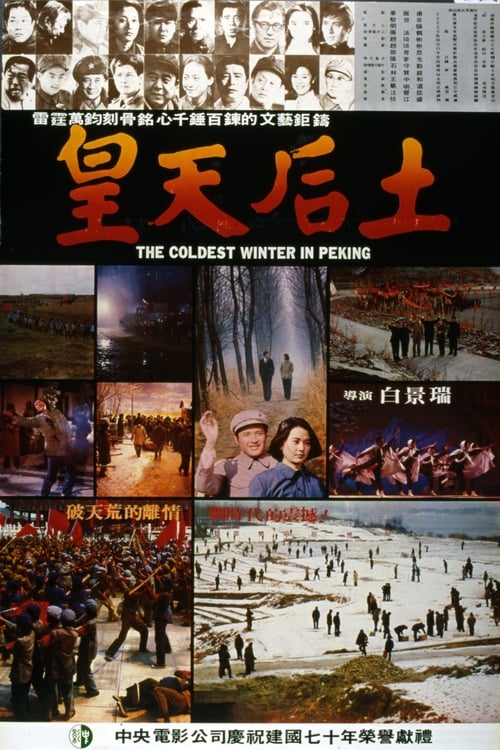
1981
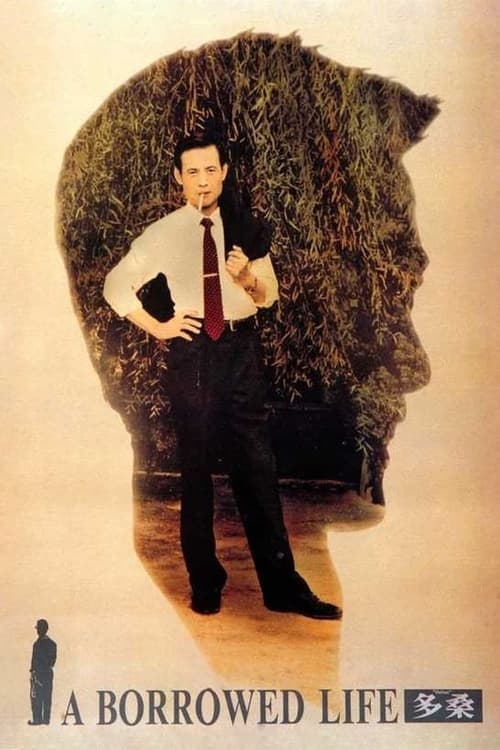
1995
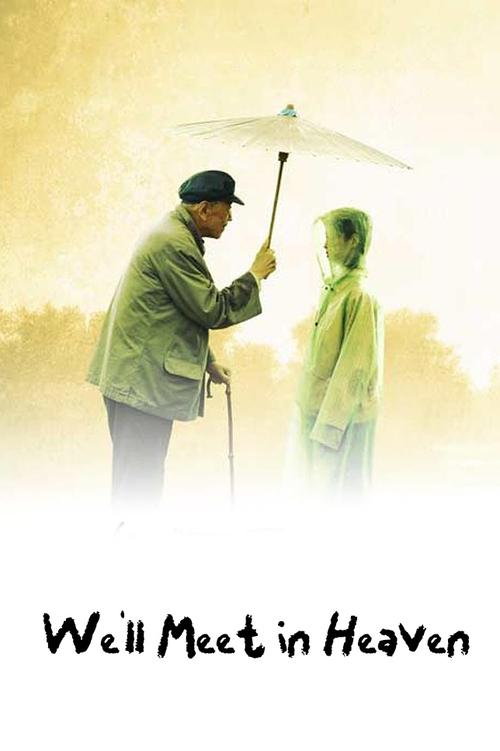
2009
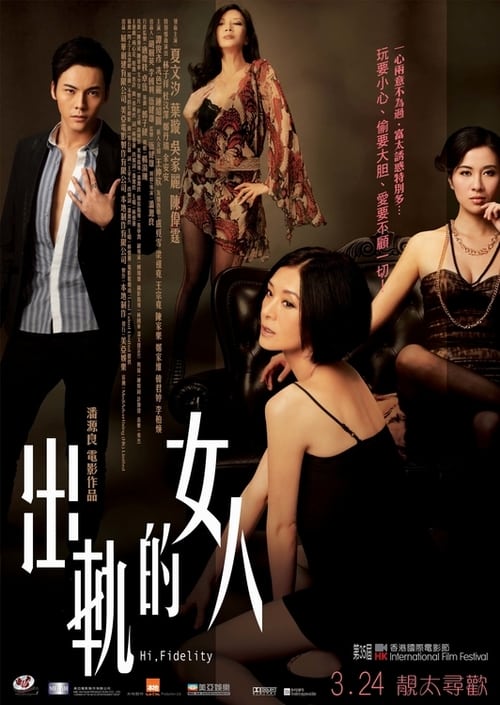
2011

1986
No reviews yet. Be the first to share your thoughts on this movie!
Use the rating form above to leave a star rating and optional review.