
Grounding: The Last Days of Swissair
2006
No user ratings available yet
Representation score: 1.7 out of 10
Representation Score
Fair
2009
Director
Setsuro Wakamatsu
Runtime
202 minutes
Average Rating
No ratings yetNew Showbiz Analysis
The Unbroken is a character-driven drama that prioritizes systemic critique over traditional corporate success stories. Its primary strength lies in its expansive geographic scope, moving beyond domestic boundaries to include diverse international settings in Asia and Africa. However, the film remains somewhat narrow in its social representation. The focus on male-driven professional struggles and the absence of visible LGBTQ+ ability to act limits its inclusivity regarding identity and gender subversion. Ultimately, the film succeeds as a globalized critique of industrial capitalism, even if it does not actively engage with a wide spectrum of personal identities.
Category Breakdown
The film does not explicitly depict LGBTQ+ identities or dynamics that challenge the assumption that everyone is straight or cisgender. The narrative focuses on labor relations and institutional issues.
The story centers around a male protagonist navigating high-stakes corporate environments. While the plot involves victims' families, it lacks specific character arcs for female leads.
The narrative showcases significant ethnic breadth by following a protagonist exiled to various posts across Asia and Africa, providing a globalized, multi-ethnic backdrop.
The film offers a sophisticated critique of capitalism and corporate structures. By focusing on systemic failures and labor struggles, it disrupts idealized portrayals of institutional stability.
There is no discernible evidence regarding the portrayal of physical or neurodivergent disabilities within the available narrative details.
Present on Screen
Limited or Absent
Official Synopsis
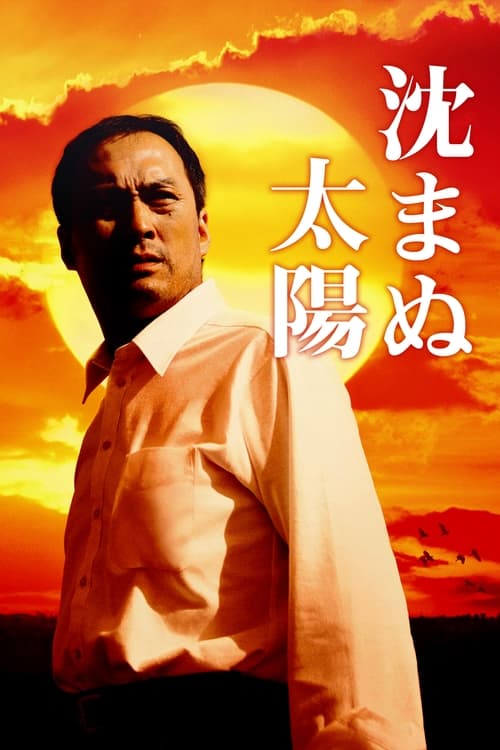
Onchi was exiled to posts around Asia and Africa due to his work as head of a labor union for National Air Line. He is ordered to return to head office after ten years, and continues to struggle. When a National Air Line plane is involved in the worst air disaster in Japanese history, he is assigned to console and provide restitution to the families of the victims.
2006
1989

2008
1991
1997

2012
2005

2010
No reviews yet. Be the first to share your thoughts on this movie!
Use the rating form above to leave a star rating and optional review.