
Thérèse
2012
No user ratings available yet
Representation score: 2.5 out of 10
Representation Score
Limited
2014
Director
Oscar Torre
Runtime
81 minutes
Average Rating
No ratings yetNew Showbiz Analysis
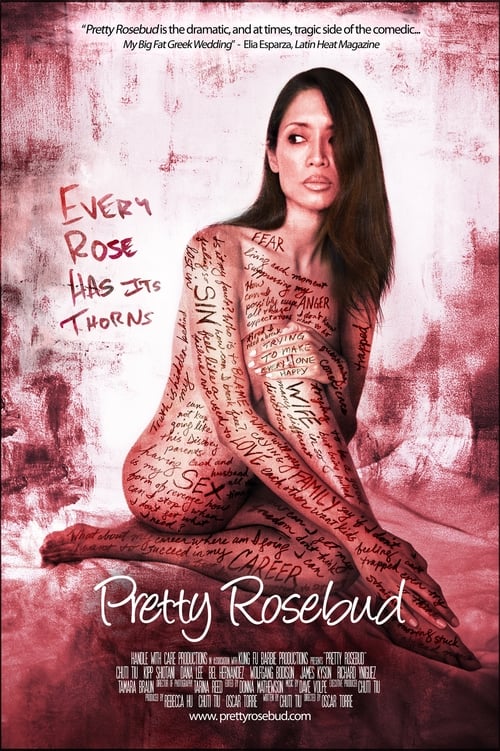
Pretty Rosebud focuses on a woman's journey to find happiness within an unhappy marriage. While it may challenge traditional views on family life, it lacks specific details to support a broader critique of societal structures. The film operates within a conventional dramatic framework, focusing on individual morality and personal freedom without clear evidence of diverse representation.
Category Breakdown
The film does not include characters with LGBTQ+ identities or show their roles in the story. It doesn't explore the ability to act of LGBTQ+ individuals.
A female character drives the plot as she seeks personal independence within her marriage. This storyline moves away from typical domestic stability clichés.
The film does not provide information about the racial or ethnic backgrounds of its characters. It does not show a diverse cast beyond Anglo-Saxon representation.
The film looks at the breakdown of traditional family structures and marriage, presenting these institutions as problematic rather than positive foundations.
The film does not feature any characters with visible or invisible disabilities.
Present on Screen
Limited or Absent
Official Synopsis
A career woman stuck in an unhappy marriage struggles to find happiness.
2012
1951
2001

2009
1951

2010
2008
2016
No reviews yet. Be the first to share your thoughts on this movie!
Use the rating form above to leave a star rating and optional review.