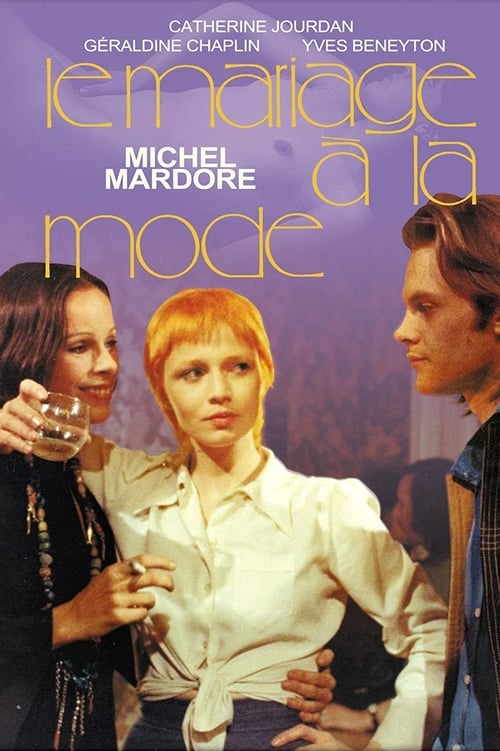
Marriage a la Mode
1973
No user ratings available yet
Representation score: 4.6 out of 10

Representation Score
Limited
2012
Director
Claude Miller
Runtime
110 minutes
Average Rating
No ratings yetNew Showbiz Analysis
Thérèse is a period-specific psychological study that excels in its critique of traditional gender roles. By focusing on a woman's resistance to social confinement, it provides a deep, character-driven exploration of social and institutional rigidity. However, the film's narrow demographic focus limits its scope. The absence of diverse racial, ethnic, or LGBTQ+ representation confines the world to a specific historical French stratum, reducing its multi-layered breadth.
Category Breakdown
The film does not include any LGBTQ+ characters or narratives. The central conflict revolves around a traditional, troubled heterosexual marriage and an extramarital affair.
Thérèse is a complex and nuanced female lead who defies the passive domestic role expected of her class. The film challenges the stereotype of a competent male leader by depicting her husband as emotionally detached.
The cast is uniformly white and upper-middle-class, reflecting the historical context of early 1900s France rather than any modern exclusionary practices.
The story questions the sanctity of the nuclear family and the strict social codes of the bourgeoisie. It emphasizes psychological consequences over promoting a single religious morality.
The narrative does not focus on any visible or invisible disabilities.
Present on Screen
Limited or Absent
Official Synopsis
An unhappily married woman struggles to break free from social pressures and her boring suburban setting.
1973

1984

2021

2009

2008

2016
2013

2014
No reviews yet. Be the first to share your thoughts on this movie!
Use the rating form above to leave a star rating and optional review.