
April Snow
2005
No user ratings available yet
Representation score: 7.5 out of 10
Representation Score
Good
1999
Not RatedDirector
Jung Ji-woo
Runtime
100 minutes
Average Rating
No ratings yetNew Showbiz Analysis
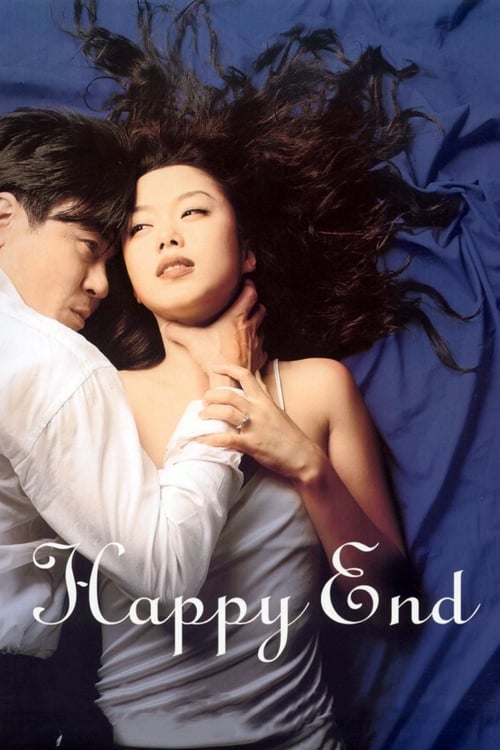
Happy End is a psychological study of urban alienation that prioritizes individual emotional landscapes over societal expectations. It succeeds in deconstructing traditional gender roles and domestic stability, offering a sophisticated look at the female lead's active role within a crumbling marriage. However, the film lacks demographic breadth. The narrative is centered on a homogeneous population and adheres to conventions that assume everyone is straight or cisgender, providing little representation for LGBTQ+ or multi-ethnic communities. Ultimately, the film's strength lies in its cultural critique of social norms. While it lacks diversity in identity, it provides a deep, postmodern deconstruction of the traditional family unit.
Category Breakdown
The film focuses strictly on the breakdown of a traditional marital bond and does not include LGBTQ+ characters or narratives that challenge the assumption that everyone is straight or cisgender.
The narrative challenges traditional gender roles by positioning the female protagonist as the primary economic driver. It explores her autonomy and psychological labor, often portraying the male counterpart as emotionally inadequate.
Set in Seoul, the film depicts a relatively homogeneous urban population. It functions as a localized study of class and professional identity rather than a multi-ethnic ensemble.
The film critiques the sanctity of traditional domestic institutions through a lens of moral relativism. It frames infidelity as a complex response to systemic loneliness rather than a simple transgression.
There is no meaningful depiction of physical or neurodivergent disabilities. Psychological distress is treated as a thematic element of urban alienation rather than an exploration of disability.
Present on Screen
Limited or Absent
Official Synopsis
When a wife becomes the breadwinner of her family after her husband loses his job, adultery becomes part of her life.
2005

2002
2009
2001

1990

1999
1998
1998
No reviews yet. Be the first to share your thoughts on this movie!
Use the rating form above to leave a star rating and optional review.