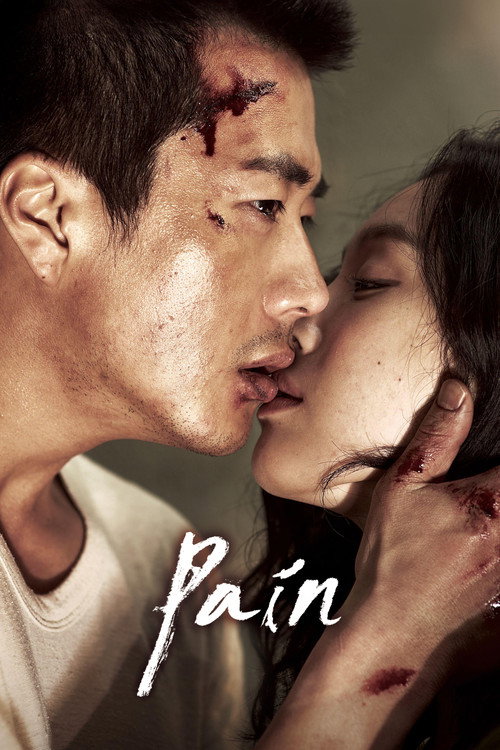
Pain
2011
No user ratings available yet
Diversity score: 4.0 out of 10

2014
Director
Cho Keun-hyun
Runtime
102 minutes
Average Rating
No ratings yetSynopsis
Set in the 1960's. Joo-goo is viewed as Korea's best sculptor, but he suffers from a disease which will slowly paralyze his body. He gives up interests in the arts and just spends his days meaninglessly. His wife, Jung-sook, tries to find a nude model for him, hoping the model might inspire him to sculpt again. One day, Jung-sook meets Min-gyung.
Overall Score
Fair
Category Breakdown
LGBTQ+ Representation
The film focuses on a heterosexual marital dynamic. There is no evidence of non-cisnormative identities or narratives critiquing heteronormativity.
Gender Representation
Jung-sook acts as the primary catalyst for the plot. Her active role in revitalizing her husband’s career suggests a subversion of the passive wife trope.
Racial & Ethnic Diversity
As a South Korean production, the film provides an authentic representation of a specific historical and ethnic context. It moves away from Anglo-centric narrative norms.
Religious & Cultural Diversity
The story operates within a traditional dramatic framework. It focuses on individual struggle and interpersonal connection rather than explicit systemic or secularist themes.
Disability Representation
Disability is the central driver of the protagonist's identity crisis. The narrative explores the psychological impact of physical decline rather than relying on inspiration porn.
Strengths
Areas for Improvement
AI Analysis
Late Spring is a character-driven period drama that finds its strength in exploring the intersection of art and physical vulnerability. By centering the narrative on a sculptor facing progressive paralysis, the film moves beyond superficial depictions of disability to examine the loss of creative agency. While the film lacks intersectional disruption or explicit social critique, it offers a nuanced look at gendered agency. Jung-sook’s proactive search for a model shifts the narrative weight from the ailing husband to the woman driving his recovery. Ultimately, the film serves as a culturally specific meditation on human fragility. It succeeds in providing an authentic historical perspective, even if it adheres to traditional dramatic structures.
2011
2009
2022
1998

2004
2009

2011

2018
2005
2006

2001

1995
No reviews yet. Be the first to share your thoughts on this movie!
Use the rating form above to leave a star rating and optional review.