Sentimental Education
2013
No user ratings available yet
Representation score: 5.7 out of 10
Representation Score
Fair
2012
Director
Jung Ji-woo
Runtime
129 minutes
Average Rating
No ratings yetNew Showbiz Analysis
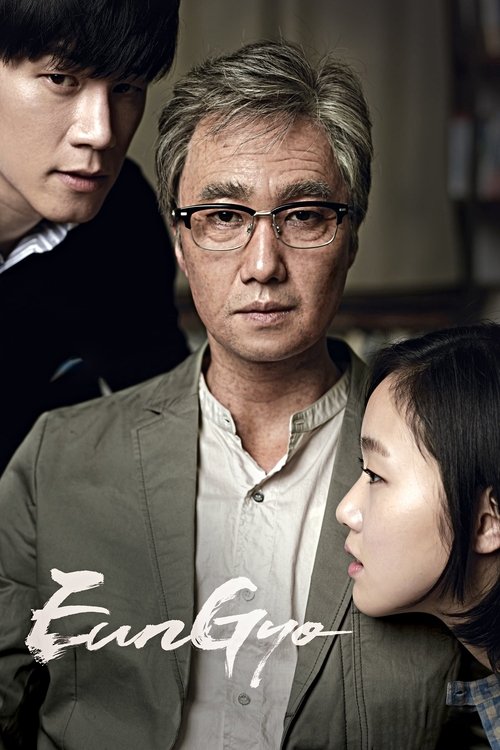
Eungyo is a psychological drama that dismantles social hierarchies while focusing on a narrow demographic. It successfully challenges the traditional authority of the male intellectual by revealing his vulnerabilities. While the film provides a nuanced exploration of moral relativism, it remains confined within a conventional framework that assumes everyone is straight or cisgender. Additionally, it lacks racial diversity and stays rooted in a specific South Korean cultural context.
Category Breakdown
The film focuses on heterosexual relationships and does not include non-binary or LGBTQ+ identities. It centers on the dynamic between male intellect and female energy, without exploring same-sex intimacy.
The film challenges traditional male dominance by depicting the elderly poet as vulnerable. However, the female character often serves as a muse, and there is limited dialogue between women, which restricts her role in driving the story.
As a South Korean production, the film features a predominantly Korean cast. It does not include diverse racial backgrounds or multi-layered identities, maintaining a culturally specific perspective.
The story questions the reverence of the elder intellectual by highlighting the conflict between a fading traditional past and a modern transient reality. It employs a postmodern lens to explore these themes.
The film treats aging as a metaphor for decline and mortality. It does not feature characters with specific neurodivergent or physical disabilities, nor does it give them significant roles in the narrative.
Present on Screen
Limited or Absent
Official Synopsis
A reclusive elderly poet feels the fire of his youth when gamine schoolgirl Eun-gyo enters his life, to the chagrin of the old man's assistant.
2013

2009
1995

2002

2005

2006
2017
2013
No reviews yet. Be the first to share your thoughts on this movie!
Use the rating form above to leave a star rating and optional review.