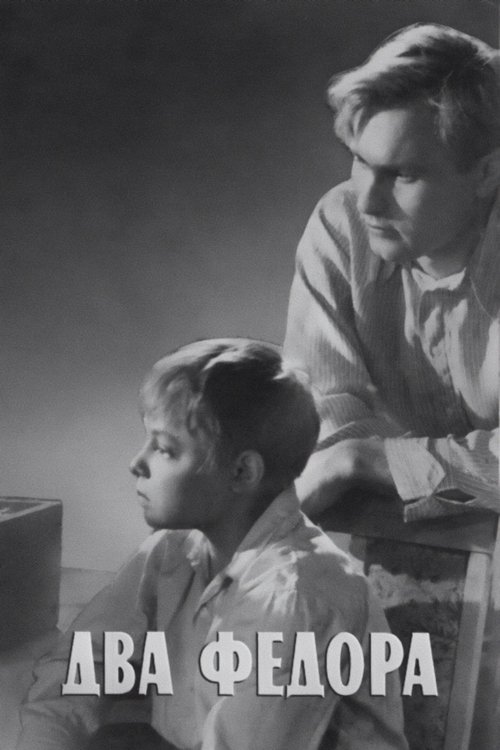
The Two Fedors
1958
No user ratings available yet
Representation score: 3.9 out of 10
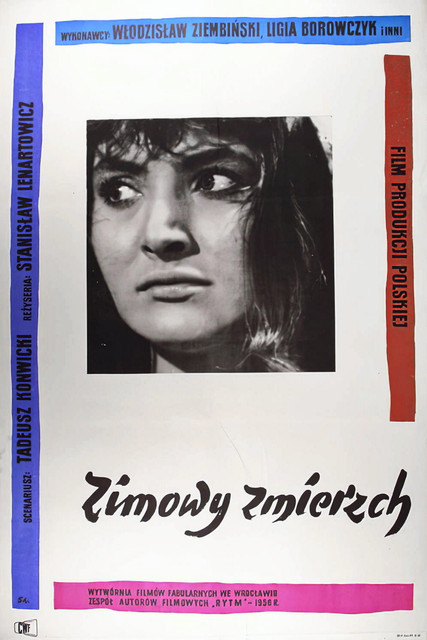
Representation Score
Limited
1957
Director
Stanisław Lenartowicz
Runtime
94 minutes
Average Rating
No ratings yetNew Showbiz Analysis
Winter Twilight is a mid-century domestic drama that explores the tension between traditional social norms and evolving post-war realities. The story centers on the collapse of a patriarchal household when a son returns with an unexpected pregnancy. The film effectively challenges the idealized nuclear family by illustrating the negative outcomes of strict adherence to social norms. However, its depiction of women and ethnic diversity remains limited, reflecting the era's focus on localized, straight-centered social structures.
Category Breakdown
The film does not include any LGBTQ+ characters or representations of non-straight relationships. It focuses solely on traditional family structures and reproductive roles.
The story highlights a tension between patriarchal control and women's ability to make independent decisions. Rumsza enforces strict masculine authority, while Celinka chooses to leave the community, demonstrating her independence.
The setting is within a homogeneous Polish community, lacking diverse ethnic representation. The film does not blend various ethnic identities as seen in more globally oriented cinema.
The narrative questions traditional agrarian institutions and the sanctity of the nuclear family. It examines the erosion of patriarchal control through the breakdown of the family unit.
The film does not provide any information about the portrayal of physical or mental disabilities.
Present on Screen
Limited or Absent
Official Synopsis
Rumsza, the elderly railwayman, leading a sedate life with his wife, misses his only remaining son (two older boys were killed in the war). Joziuk finally returns from the military in the first scene but with the pregnant Zosia, while Rumsza expected him to marry Celinka, the daughter of Krywka, his only friend and neighbour. The hero will not accept the new situation; he throws his son and Zosia out of his house. Celinka is distressed but she still harbours hope for Joziuk. The birth of the child changes the situation: Rumsza accepts his son's relationship but Celinka decides to leave.
1958

1950
1982
1948
1980
1967
1957
1960
No reviews yet. Be the first to share your thoughts on this movie!
Use the rating form above to leave a star rating and optional review.