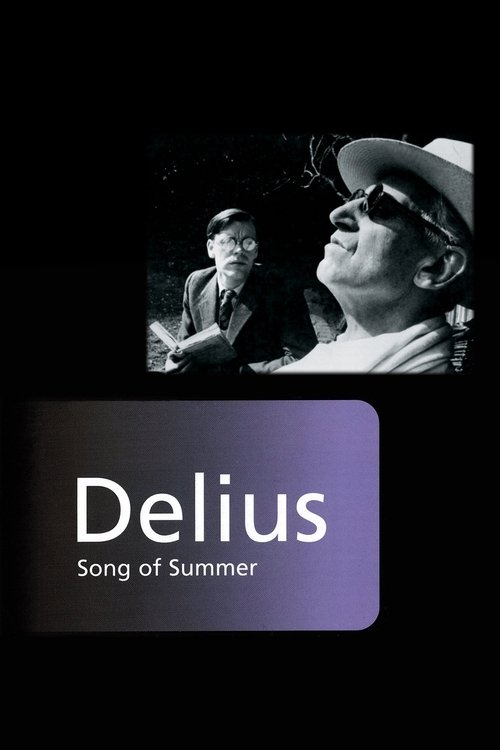
Song of Summer
1968
No user ratings available yet
Representation score: 6.9 out of 10
No Poster Available
Representation Score
Good
1992
Director
Ken Russell
Runtime
61 minutes
Average Rating
No ratings yetNew Showbiz Analysis
Ken Russell’s film is a postmodern deconstruction that prioritizes systemic critique over demographic variety. It challenges social and religious hierarchies through a surrealist, irreverent lens, offering a progressive subversion of traditional authority. However, the film remains limited by its narrow focus. The casting is largely homogeneous and lacks racial or LGBTQ+ visibility, remaining rooted in a specific European-centric aesthetic. Ultimately, the work trades explicit representation for psychological complexity. It challenges the viewer's perception of social order through moral relativism rather than through diverse character identities.
Category Breakdown
The film does not include explicit LGBTQ+ identities or non-binary gender relationships. While psychological themes allow for fluid expressions of desire, these are used as internal elements rather than as overt queer representations.
Women are portrayed through lenses of madness and eccentricity rather than traditional roles. This portrayal disrupts conventional hierarchies by giving characters chaotic, independent roles.
The film features a homogeneous, European-centric cast within its period-fantasy setting. It does not use race-blind casting or integrate diverse ethnicities to deviate from its historical context.
The narrative effectively critiques Western institutions by depicting religious and social structures with irreverence. It prioritizes subjective psychological truths over established moral or religious absolutes.
Themes of mental instability and madness serve the surrealist plot and Freudian analysis. However, these elements lack the specific ability to act needed to represent neurodivergence or disability meaningfully.
Present on Screen
Limited or Absent
Official Synopsis
A biopic of Czech composer Martinu in two parts: the first part is a recurring dream; the second, a Freudian analysis of the dream.
1968

1998
1990
1963

1962
1965

1971
1974
No reviews yet. Be the first to share your thoughts on this movie!
Use the rating form above to leave a star rating and optional review.