The Whispering Shadow
1933
No user ratings available yet
Representation score: 0.8 out of 10
Representation Score
Minimal
1935
PassedDirector
Clifford Sanforth
Runtime
53 minutes
Average Rating
No ratings yetNew Showbiz Analysis
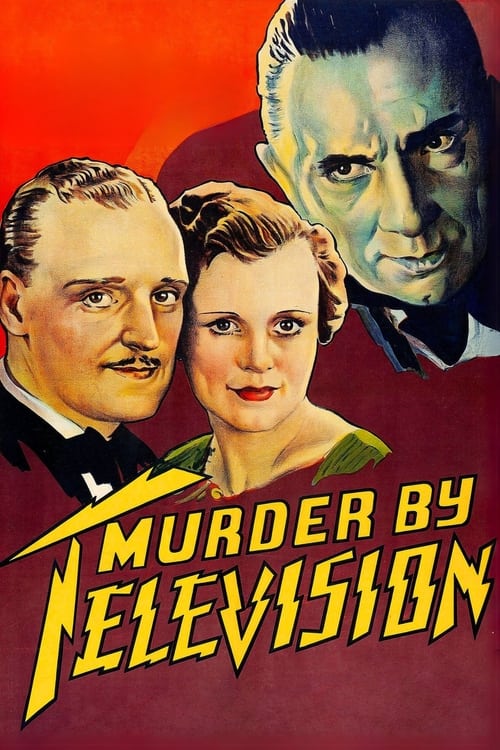
Murder by Television is a product of its time, functioning as a standard genre piece that reinforces established social hierarchies. The narrative focuses on individual ability to act and technological mystery rather than social subversion. The film centers on male-driven plots of invention and investigation, which limits the exploration of diverse perspectives and multi-layered complexity. Ultimately, the work adheres to the homogeneous casting and traditional moral frameworks common in 1935, offering limited representation for underrepresented groups.
Category Breakdown
The film does not include any non-binary gender identities or same-sex relationships. It follows a traditional mystery format that emphasizes heterosexual relationships.
Men like James Houghland and Police Chief Nelson take center stage, holding leadership and intellectual roles that reflect the gender norms of the 1930s.
The story focuses on a technological conflict without showing a diverse cast. It follows the homogeneous casting practices typical of mid-1930s studio productions.
The story explores industrial espionage within a traditional capitalist framework, without critiquing or deconstructing Western institutions.
There is no mention of characters with visible or invisible disabilities. The narrative does not explore neurodivergent or physical disability storylines.
Present on Screen
Limited or Absent
Official Synopsis
James Houghland, inventor of a new method by which television signals can be instantaneously sent anywhere in the world, refuses to sell the process to television companies, who then send agents to acquire the invention any way they can. On the night of his initial broadcast Houghland is mysteriously murdered in the middle of his demonstration and it falls to Police Chief Nelson to determine who the murderer is from the many suspects present.
1933
1944
1936
1940
1932
1933
1939

1933
No reviews yet. Be the first to share your thoughts on this movie!
Use the rating form above to leave a star rating and optional review.