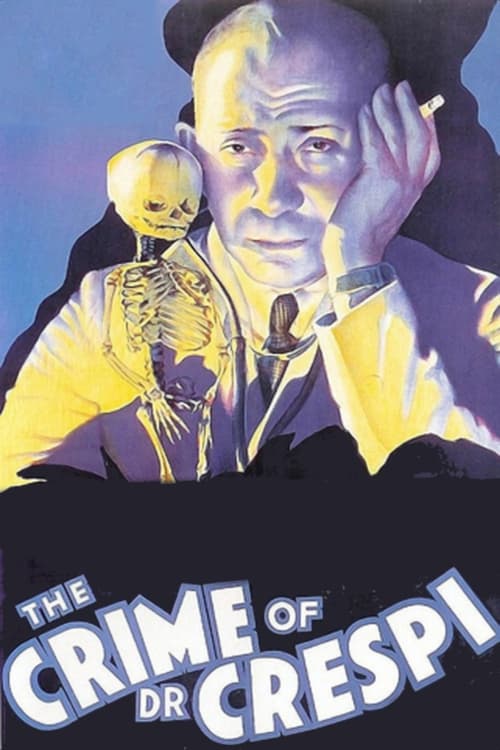
The Crime of Doctor Crespi
1935
No user ratings available yet
Representation score: 1.7 out of 10
Representation Score
Limited
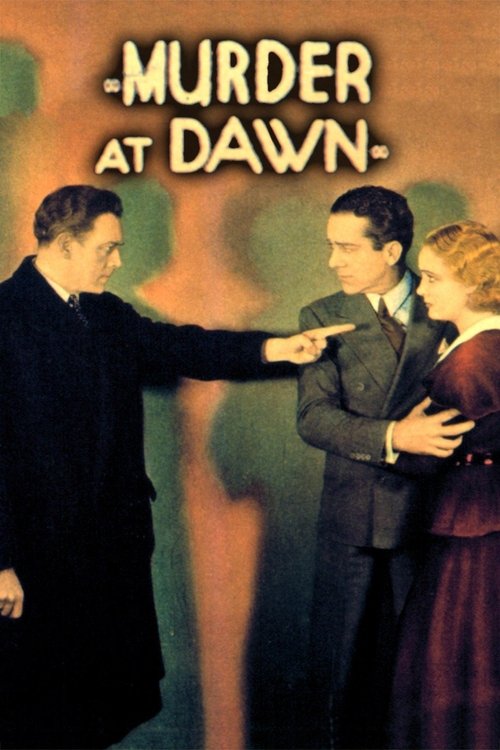
1932
NRDirector
Richard Thorpe
Runtime
62 minutes
Average Rating
No ratings yetNew Showbiz Analysis
Murder at Dawn is a product of the early 1930s studio system, emphasizing genre efficiency over social complexity. The narrative heavily relies on the mad scientist cliché, which typically centers on male intellectual dominance and conventional social hierarchies. The film lacks diverse representation in terms of race, culture, and sexuality. It operates within the standard, homogeneous frameworks of pre-Code crime and horror cinema. Ultimately, the film reinforces the status quo through its adherence to traditional storytelling methods and lack of diverse characterizations.
Category Breakdown
There are no characters or identities that explore LGBTQ+ themes or non-straight relationships in the film. The story sticks to traditional genre conventions.
Josephine Dunn appears in a typical genre role, but the film emphasizes male-driven mania and adheres to conventional gender roles of the time.
The film reflects the homogeneous casting practices of early 1930s cinema, with no indication of a diverse or non-white cast.
The story centers around the mad scientist archetype and ethical dilemmas of science. It operates within the moral and institutional norms of its time.
Mental instability is used as a plot device to create tension. There is no evidence of characters with disabilities having significant roles.
Present on Screen
Limited or Absent
Official Synopsis
Mad scientist works on a death ray in his mountain hideaway.
1935
1940
1936

1933

1936

1932
1936
1927
No reviews yet. Be the first to share your thoughts on this movie!
Use the rating form above to leave a star rating and optional review.