The Truce
1997
No user ratings available yet
Representation score: 1.1 out of 10
Representation Score
Limited
1968
Director
Konrad Wolf
Runtime
115 minutes
Average Rating
No ratings yetNew Showbiz Analysis
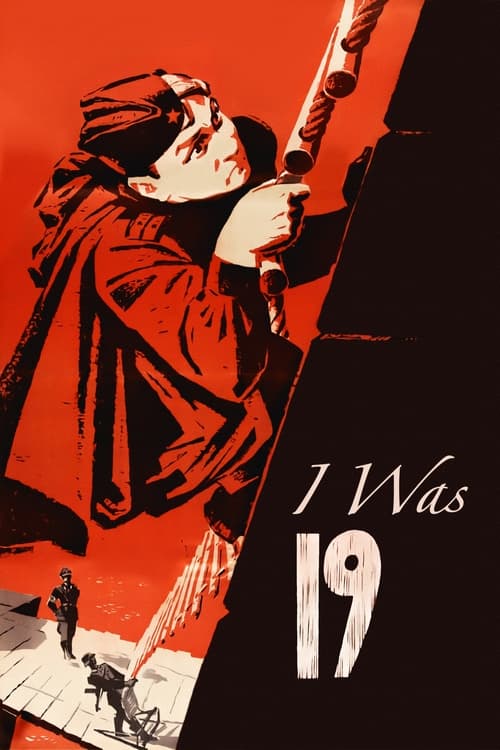
I Was Nineteen serves as ideological storytelling that emphasizes systemic changes over individual identity representation. Its strength lies in its internationalist perspective, which uses the Soviet presence to challenge Western-centric historical narratives and dismantle nationalist frameworks. However, the film is constrained by the social norms of its time. It adheres to traditional gender hierarchies and lacks any representation of LGBTQ+ identities or disability, focusing instead on the protagonist's political and moral realignment. Ultimately, the film's diversity is found in its critique of power structures rather than in a broad spectrum of human experiences.
Category Breakdown
The film does not include any queer narratives or non-straight relationships. The interpersonal dynamics focus on traditional wartime friendships and romances.
Women are mainly portrayed in supportive or domestic roles, such as nurses or civilians. The story follows traditional wartime hierarchies without challenging gendered power structures.
The film offers an internationalist perspective by highlighting the Soviet Red Army. This multi-ethnic, transnational viewpoint challenges monolithic Western views of post-war conflicts.
The story explicitly criticizes fascist institutions and nationalist systems. It portrays the shift to internationalist socialism as a necessary moral and systemic liberation.
There are no characters with visible or invisible disabilities. No such identities are used as central narrative elements or given specific power.
Present on Screen
Limited or Absent
Official Synopsis
A young soldier enters Germany with Soviet troops at the end of WWII, feeling like a stranger in his homeland. As he meets Germans, he grapples with his ambivalence, realizing he is both a victor and one of the vanquished. His inquisitive nature leads him to confront the atrocities and lies he encounters along the way.
1997
1959
1979
1995
1971

1987
1965

2007
No reviews yet. Be the first to share your thoughts on this movie!
Use the rating form above to leave a star rating and optional review.