The Car
1977
No user ratings available yet
Representation score: 1.8 out of 10
Representation Score
Limited
1983
RDirector
John Carpenter
Runtime
110 minutes
Average Rating
No ratings yetNew Showbiz Analysis
John Carpenter's *Christine* is a focused character study that centers on a male-driven descent into madness. The film's world is demographically uniform, focusing on a white, working-class adolescent circle that lacks diverse representation. While the film provides a strong critique of material obsession and the erosion of traditional family structures, it does so through a limited perspective. The narrative structure relies on traditional social hierarchies and lacks diversity in most identity categories. Ultimately, the film serves as a psychological horror piece rather than a multifaceted exploration of identity. It effectively dismantles social cohesion but fails to include a wide range of voices or lived experiences.
Category Breakdown
The film does not feature any LGBTQ+ characters or non-straight relationships. The interpersonal dynamics revolve around a traditional heterosexual relationship between the main character and his girlfriend.
The story focuses primarily on male characters, particularly Arnie's psychological decline. Female characters such as Leigh serve as emotional support but do not actively drive the plot.
The cast is mostly white, reflecting a homogenous small-town setting. There is no multi-layered casting or diverse character types within this local community.
The story critiques the consumerist culture and the breakdown of the traditional family unit. Arnie's alienation from his mother and his fixation on a material object challenge conventional domestic stability.
There is no significant representation of physical or neurodivergent disabilities. Arnie's social isolation is portrayed as supernatural influence rather than a disability experience.
Present on Screen
Limited or Absent
Official Synopsis
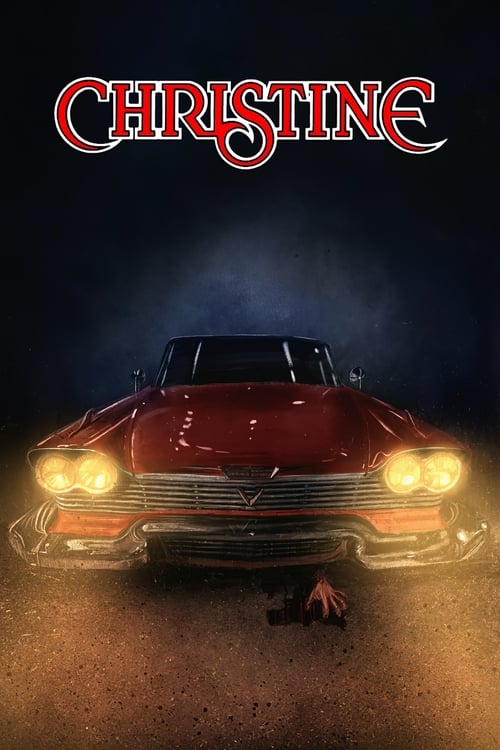
Nerdy high schooler Arnie Cunningham falls for Christine, a rusty 1958 Plymouth Fury, and becomes obsessed with restoring the classic automobile to her former glory. As the car changes, so does Arnie, whose newfound confidence turns to arrogance behind the wheel of his exotic beauty. Arnie's girlfriend Leigh and best friend Dennis reach out to him, only to be met by a Fury like no other.
1977
1987

1988

1988
1980

1978
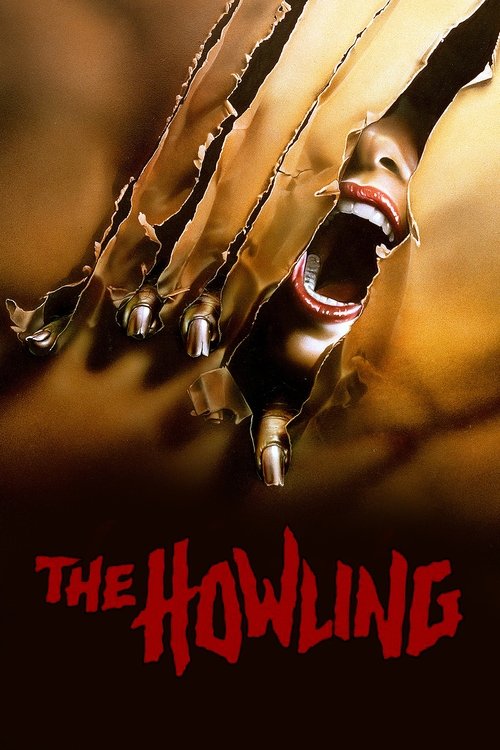
1981

1977
No reviews yet. Be the first to share your thoughts on this movie!
Use the rating form above to leave a star rating and optional review.