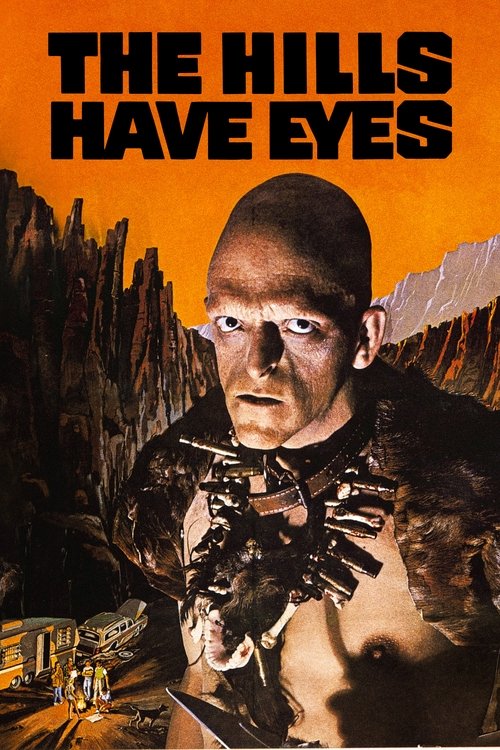
The Hills Have Eyes
1977
No user ratings available yet
Representation score: 2.8 out of 10
Representation Score
Minimal
1977
PGDirector
Elliot Silverstein
Runtime
96 minutes
Average Rating
No ratings yetNew Showbiz Analysis
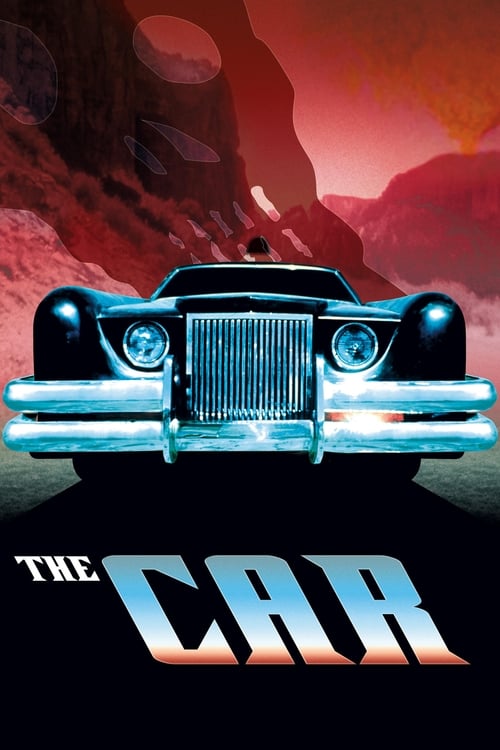
The Car operates as a traditional 1970s thriller that emphasizes suspense and genre conventions over social issues. The story revolves around familiar types, creating a very homogeneous social environment that reflects the demographics of the time. The film focuses on a single, traditional American demographic, offering little space for diverse identities or challenging social norms. Male characters primarily drive the narrative, while the setting remains racially and culturally uniform. Overall, the film serves as a straightforward genre piece. It avoids critiquing broader social structures or exploring multiple layers of identity, sticking to a narrow, conventional perspective of rural American life.
Category Breakdown
The film does not feature any notable LGBTQ+ characters or stories that go beyond the assumption that everyone is straight. The social world remains very traditional.
Male characters like Captain Wade Parent play key roles in driving the story. Female characters have smaller roles and mostly act in response to events rather than initiating change.
The film depicts Santa Ynez as a predominantly white, rural area. There is no blending of races or exploration of racial identity.
The story focuses on local law enforcement facing a supernatural threat. It stays within a typical Western framework without much cultural variety.
The film does not show any characters with visible or invisible disabilities. No such characters play significant roles in the story.
Present on Screen
Limited or Absent
Official Synopsis
The Utah community of Santa Ynez is being terrorized by a mysterious black coupe that appears out of nowhere and begins running people down. After the car kills off the town sheriff, Captain Wade Parent is determined to stop the murderous driver.
1977

1981
1980
1975

1980

1962
1979
1985
No reviews yet. Be the first to share your thoughts on this movie!
Use the rating form above to leave a star rating and optional review.