
Friday the 13th
1980
No user ratings available yet
Representation score: 0.6 out of 10
Representation Score
Fair
1983
RDirector
Robert Hiltzik
Runtime
85 minutes
Average Rating
No ratings yetNew Showbiz Analysis
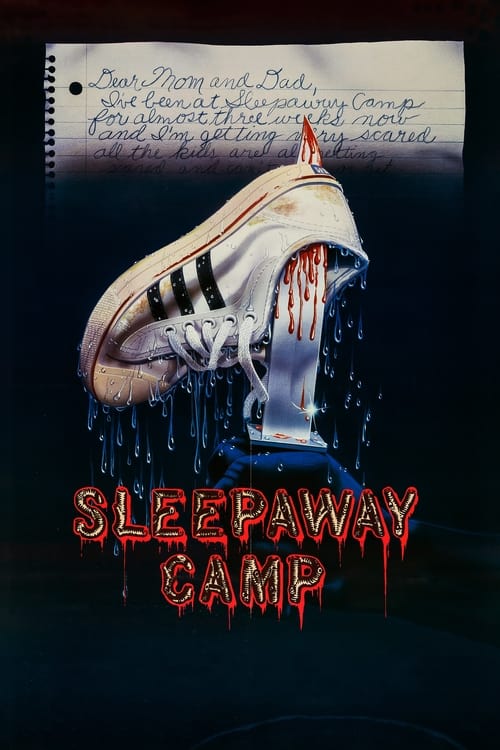
Sleepaway Camp functions as a standard 1980s slasher that prioritizes genre clichés and shock value over social commentary. The film relies on traditional hierarchies and homogeneous casting typical of its era's independent horror productions. While the conclusion has invited postmodern re-evaluation regarding gender identity, the narrative structure does not intentionally challenge social norms. Instead, it uses identity as a mechanical tool for a plot twist. Ultimately, the film lacks diverse representation, focusing on the 'final girl' and 'killer' clichés rather than exploring varied lived experiences or systemic issues.
Category Breakdown
The film does not include explicit LGBTQ+ characters or narratives. The ending can be interpreted through queer theory, but the story primarily uses identity as a plot twist rather than a deep exploration of gender.
The story follows traditional 1980s gender dynamics and adolescent sexual tension. While the central mystery disrupts gender expectations, it is treated as a source of shock rather than a critique of patriarchal norms.
The cast is relatively homogeneous, typical of early 1980s horror. There is no indication of color-blind casting or intentional integration of diverse racial identities within the camp setting.
The film operates within a standard Western framework focused on adolescent delinquency. It does not offer a critique of religion, capitalism, or systemic social structures, prioritizing genre suspense instead.
There is no meaningful representation of physical or neurodivergent disabilities. Characters are defined strictly by their roles as victims, counselors, or survivors within the slasher plot.
Present on Screen
Limited or Absent
Official Synopsis
Years after a terrible boating accident, Angela is sent to Camp Arawak where a series of bizarre and violent "accidents" begin to claim the lives of various campers.
1980
1981
1982
1976
1988
1989
1981
1985
No reviews yet. Be the first to share your thoughts on this movie!
Use the rating form above to leave a star rating and optional review.