
The Fly
1986
No user ratings available yet
Representation score: 4.4 out of 10
Representation Score
Limited
1992
RDirector
Brett Leonard
Runtime
108 minutes
Average Rating
No ratings yetNew Showbiz Analysis
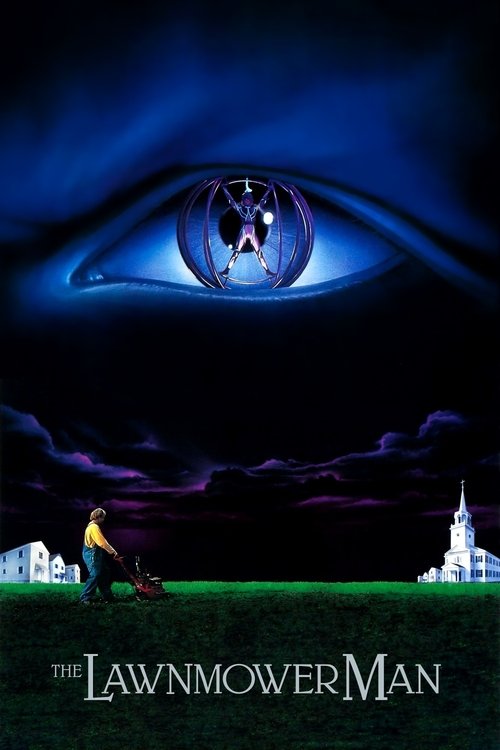
The Lawnmower Man primarily serves as a technological cautionary tale, focusing on the dangers of hyperreality and the fragmentation of identity. Despite offering a sophisticated critique of scientific institutions and moral absolutes, the film does not translate these intellectual themes into diverse representation. Instead, it relies on a homogeneous cast and traditional gender dynamics to drive its psychological horror. The narrative remains deeply tied to the demographic norms of its era. While the film provides a nuanced critique of scientific ethics and embraces postmodern moral relativism, it fails to challenge established social or cultural norms through its character compositions.
Category Breakdown
The film focuses on a heterosexual relationship, emphasizing a romantic obsession between the male protagonist and a female lead. There is no representation of LGBTQ+ identities or non-cisgender narratives.
The female lead plays a significant role in driving the story, but the narrative centers on a male-driven psychological journey that reinforces traditional gender hierarchies and male dominance.
The cast is predominantly white and Anglo-Saxon, reflecting early 1990s cinematic norms. Characters of color are notably absent, especially those with significant roles in driving the story.
The film critiques scientific and medical authority, presenting institutional hubris as a source of chaos. It also embraces a postmodern skepticism toward traditional morality.
The protagonist's initial neurological limitations serve as a plot catalyst for his digital transformation. While the film avoids mockery, it lacks a deeper exploration of the lived experience of disability.
Present on Screen
Limited or Absent
Official Synopsis
A simple man is turned into a genius through the application of computer science.
1986
1977
1996

1958

1986
1963
1989
1957
No reviews yet. Be the first to share your thoughts on this movie!
Use the rating form above to leave a star rating and optional review.