Melody Lane
1929
No user ratings available yet
Representation score: 3.5 out of 10
Representation Score
Minimal
1932
NRDirector
Ernst Lubitsch
Runtime
78 minutes
Average Rating
No ratings yetNew Showbiz Analysis
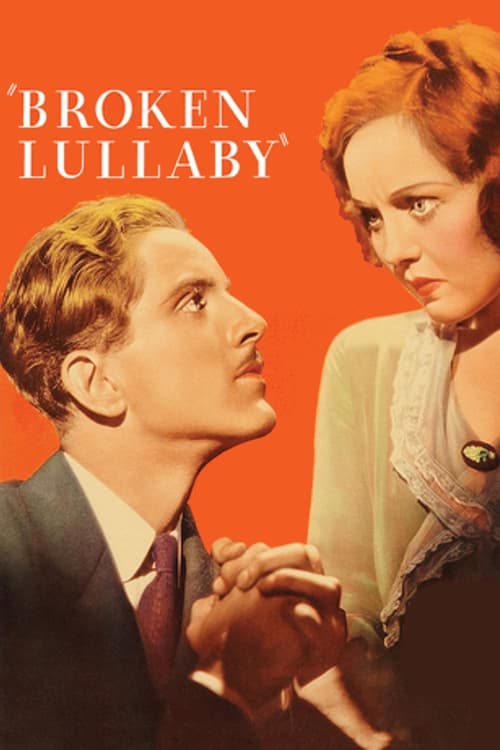
Broken Lullaby is a sophisticated psychological drama that emphasizes personal emotional experiences over broad societal representation. While it offers a nuanced look at the human condition through the lens of war and guilt, it remains a product of its time. The film adheres to the demographic and social norms of the early 1930s. It lacks intentional challenges to traditional hierarchies, focusing instead on a sentimental, character-driven narrative. Ultimately, the work functions as a traditional period melodrama, providing depth in its psychological structure but limited breadth in its diversity.
Category Breakdown
The film centers on a heterosexual relationship between a young boy and an older woman. There are no LGBTQ themes or non-straight identities represented in the story.
Claudette Colbert's character provides a complex emotional core, but her role remains largely reactive to the boy's obsession and existing social structures.
The cast is primarily white, reflecting the homogeneous demographics of its 1932 European setting. The film maintains a traditional approach to ethnic representation.
The story portrays a small European town where religious and social norms serve as stabilizing forces. It functions as a sentimental melodrama rather than a critique of Western institutions.
There are no disabilities, either visible or invisible, that play a central role in the character arcs or the plot progression.
Present on Screen
Limited or Absent
Official Synopsis
A young French soldier in World War I is overcome with guilt when he kills a German soldier who, like himself, is a musically gifted conscript, each having attended the same musical conservatory in France. The fact that the incident occurred in war does not assuage his guilt. He travels to Germany to meet the man's family.
1929
1949
1937
1925

1934
1958
1928

1956
No reviews yet. Be the first to share your thoughts on this movie!
Use the rating form above to leave a star rating and optional review.