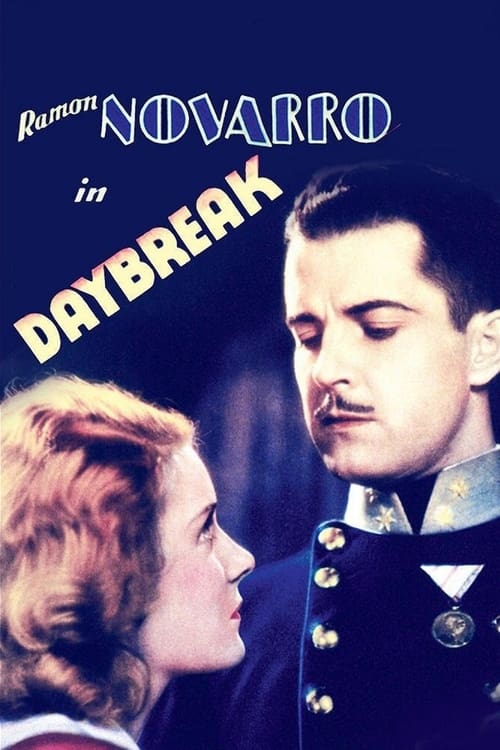
Daybreak
1931
No user ratings available yet
Representation score: 1.2 out of 10
Representation Score
Minimal
1934
ApprovedDirector
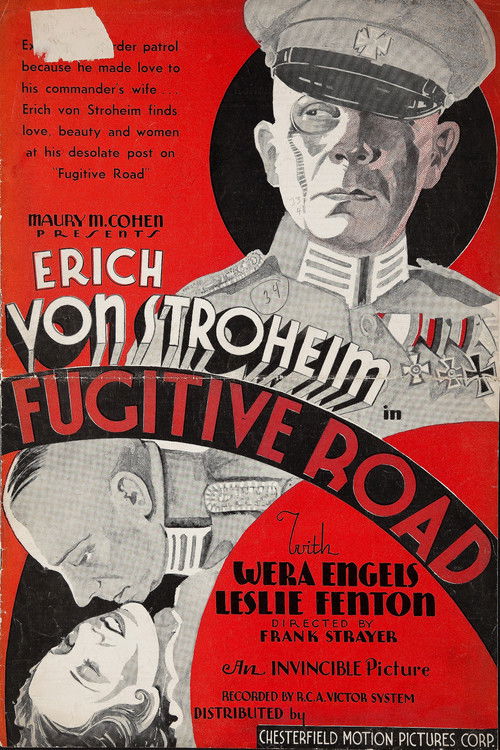
Frank R. Strayer
Runtime
69 minutes
Average Rating
No ratings yetNew Showbiz Analysis
Fugitive Road is a conventional period drama that follows the standard studio models of the early 1930s. The film centers on the internal moral struggle of an Austrian officer, prioritizing individual character development over diverse social representation. The narrative structure relies on traditional hierarchies and Western storytelling clichés. By focusing on military authority and wartime duty, the film maintains a narrow, Eurocentric perspective typical of its era. Overall, the film serves as a character study of masculinity and morality rather than a platform for diverse perspectives.
Category Breakdown
The film does not include any characters with non-binary gender identities or sexual orientations. Given its 1934 production date, the movie adheres to the strict censorship standards of the time.
The story revolves around an Austrian officer, emphasizing traditional masculine authority. The male protagonist holds the primary role within a military context.
The narrative is centered on an Austrian officer, reflecting a homogeneous Western cast typical of 1930s cinema. It lacks diverse racial representation.
The film delves into personal morality through a wartime perspective. It likely aligns with traditional views of duty and national identity.
There is no information about the portrayal of physically or neurodivergent characters in this work.
Present on Screen
Limited or Absent
Official Synopsis
An Austrian officer must face up to the good and evil aspects of his own personality as he becomes involved in a war.
1931

1965
1948

1939
1937

1937
1938

2002
No reviews yet. Be the first to share your thoughts on this movie!
Use the rating form above to leave a star rating and optional review.