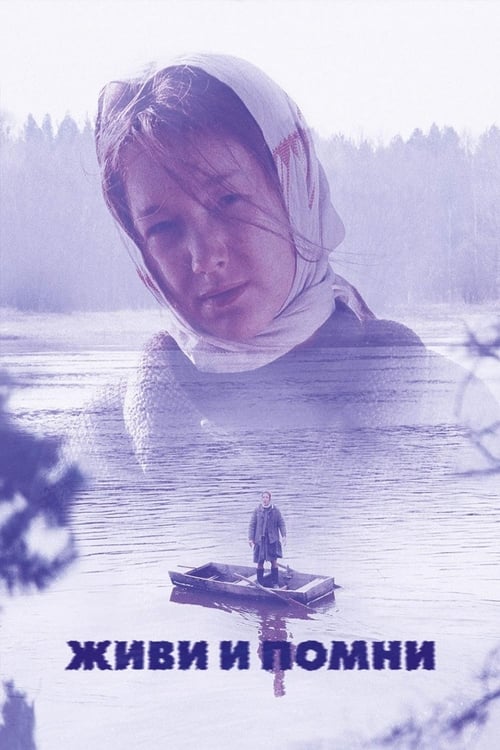
Live and Remember
2008
No user ratings available yet
Representation score: 1.1 out of 10

Representation Score
Limited
2008
TV-MADirector
Mirko Echghi-Ghamsari
Runtime
16 minutes
Average Rating
No ratings yetNew Showbiz Analysis
Appassionata is a psychological character study set during the Battle of Stalingrad. It uses a piano in no-man's-land to explore the tension between individual humanity and the frenzy of war. The film succeeds in disrupting standard war movie clichés by prioritizing internal emotional landscapes over tactical combat. It moves beyond simple patriotism to examine the struggle to maintain one's soul amidst cruelty. However, the work remains limited by its traditional historical framework. The narrative lacks complexity in reflecting multiple aspects of identity and operates within a demographic structure that lacks significant diversity or the subversion of established hierarchies.
Category Breakdown
The film focuses on a soldier's longing for his wife and does not include any non-cisgender identities or critiques of the assumption that everyone is straight.
The story centers on a traditional masculine experience in combat. While it delves into emotional depth, the main character drives the plot, with women appearing primarily as recipients of letters.
Set during WWII with German forces, the cast appears predominantly homogeneous. The historical context offers little evidence of racial blending or non-Western majority representation.
The film explores moral complexity by prioritizing human emotion over militarism. It frames the impulse to play music as a triumph of humanity against systemic cruelty.
There is no documented evidence of characters navigating physical disabilities, neurodivergence, or mental health conditions as central narrative drivers.
Present on Screen
Limited or Absent
Official Synopsis
Based on a WW II legend: A German soldier awaiting his doom in the pocket of Stalingrad spots an undamaged piano in the no-man's land between the lines. The urge to play one more time becomes irresistible. -Appassionata- is inspired by an army postal service letter send by a German soldier from Stalingrad to his wife. The movie tells of the short moments in which soldiers try to escape the demons of war - of those rare instants in which longings and emotions out dare the maelstrom of daily cruelty and humanity wins over the frenzy of war.
2008

1959
1987

1956

2008

1971

2011

2015
No reviews yet. Be the first to share your thoughts on this movie!
Use the rating form above to leave a star rating and optional review.