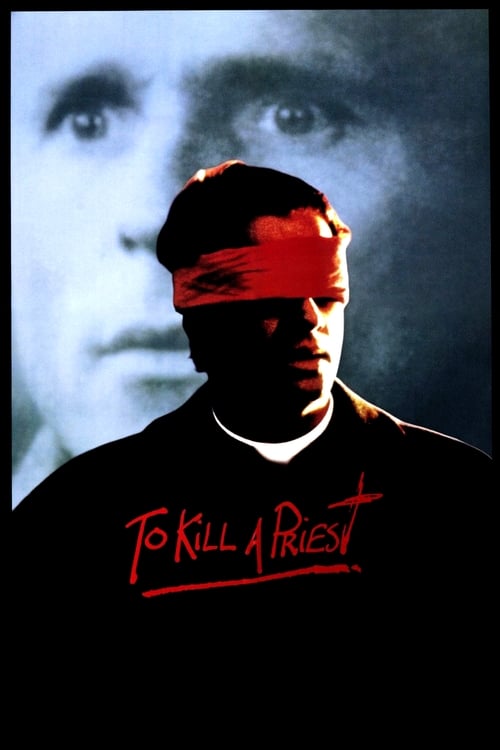
To Kill a Priest
1988
No user ratings available yet
Representation score: 5.1 out of 10
Representation Score
Fair
2026
NRDirector
Kasia Adamik
Runtime
112 minutes
Average Rating
No ratings yetNew Showbiz Analysis
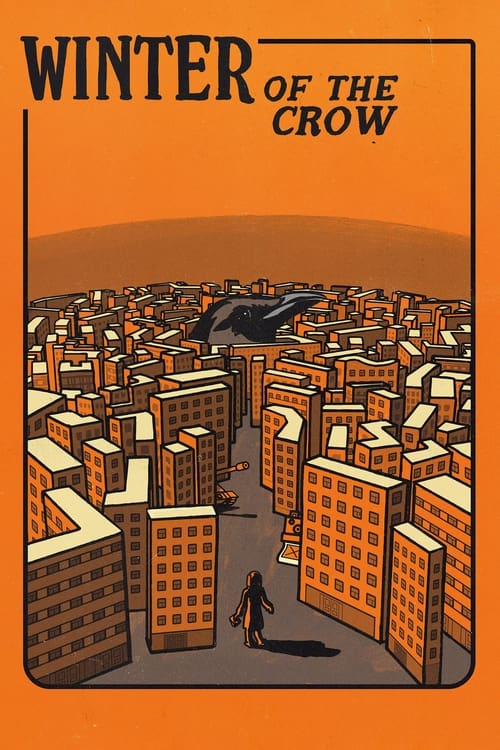
Winter of the Crow opens in the suffocating silence of Warsaw, December 1981, where tanks replace taxis and citizens become criminals. Directed by Kasia Adamik, the film uses the confined space of a trapped British professor to critique the authoritarian machinery of the Eastern Bloc. The sold meaning is clear: the state is the villain, and individual conscience is the only refuge. Joan Andrews, played with steely resolve by Lesley Manville, is not a passive victim but an active witness whose moral clarity contrasts with the hollow authority of the "Crows." The film’s argument is traditional in its liberal framing—Western individualism versus collective oppression—but it avoids sentimentality by grounding its horror in bureaucratic indifference. The ending does not offer a triumphant liberation but a quiet, personal survival, suggesting that in a prison state, the only victory is retaining one’s humanity. The camera loves the stillness of Joan’s face against the chaos of the street, positioning her as the moral anchor in a world where the law has become a weapon.
Category Breakdown
No queer characters or same-sex intimacy appear. The narrative focuses strictly on political survival and heterosexual dynamics. Absence is total.
Joan Andrews acts as the competent moral center, navigating the crisis with agency. Male figures like the Ambassador remain peripheral or ineffective. Female characters often serve as witnesses to male violence.
The cast is predominantly Polish and British, reflecting the 1980s Warsaw setting. Non-white characters are absent. The narrative centers on the specific ethnic tension between the Polish population and the British visitor.
The film critiques the authoritarian state, portraying the secret police as primary antagonists. It frames the Western liberal perspective as a witness to oppression. Democratic values are validated against Eastern Bloc martial law.
No characters with physical, sensory, or cognitive disabilities are depicted. The narrative focuses on political imprisonment and psychological stress. Bodily impairment is absent from the plot.
Present on Screen
Limited or Absent
Official Synopsis
Warsaw, December 13, 1981. Martial law shuts down the country. Overnight, a country turns into a prison. Taxis have been replaced by tanks. Citizens are treated like criminals. And visiting British Professor Joan Andrews finds herself trapped. After witnessing the murder of a young student by the secret police (the "Crows"), Joan herself becomes the target.
1988
2009
2021
2014

1990
2019
1989
1989
No reviews yet. Be the first to share your thoughts on this movie!
Use the rating form above to leave a star rating and optional review.