
Leave No Traces
2021
No user ratings available yet
Representation score: 4.1 out of 10
Representation Score
Fair
1988
RDirector
Agnieszka Holland
Runtime
117 minutes
Average Rating
No ratings yetNew Showbiz Analysis
Agnieszka Holland’s film is a striking study of post-colonial tension and institutional decay. It excels in its racial and cultural depth, moving away from Anglo-centric storytelling to examine the friction between Western religious structures and local political volatility. While the film provides a nuanced look at racial diversity and the corruption of traditional power, it remains limited in its social breadth. The narrative is heavily male-centric and lacks any representation of LGBTQ+ identities. Ultimately, the work is a significant piece of multi-layered inquiry that prioritizes political and religious deconstruction over a diverse range of social identities.
Category Breakdown
The film does not include any LGBTQ+ characters and does not explore non-straight relationships or identities. The narrative focuses exclusively on geopolitical and religious tensions.
The story centers on male-driven political and religious conflicts. Women appear primarily in supporting roles or as victims of systemic violence.
A predominantly Black cast represents the local population and various factions. This setting allows for a deep exploration of post-colonial dynamics and racial diversity.
The film critiques Western institutions, portraying the Catholic Church as an institution struggling for relevance. It embraces moral relativism within a post-colonial framework.
Characters experience physical trauma and psychological distress due to war. However, these depictions serve the thriller's pacing rather than providing real depth to disabled characters.
Present on Screen
Limited or Absent
Official Synopsis
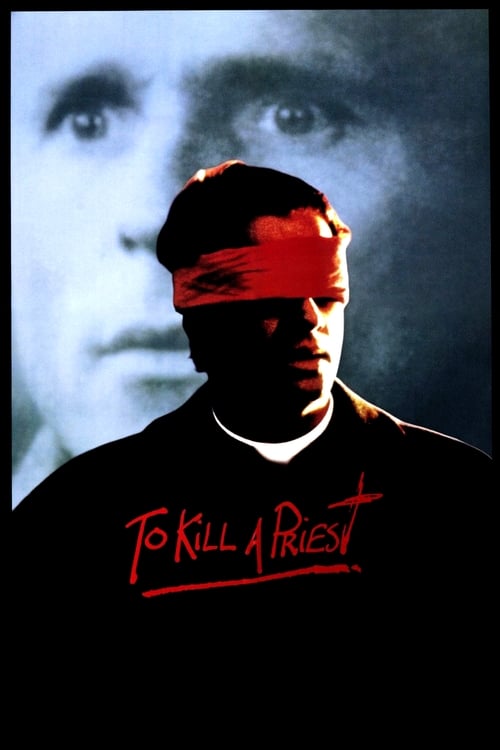
A young priest speaks out against the Communist regime in Poland and is killed for it.
2021
1985

2009

2021

2016

2019

1981

1977
No reviews yet. Be the first to share your thoughts on this movie!
Use the rating form above to leave a star rating and optional review.