
Rose
2012
No user ratings available yet
Diversity score: 3.9 out of 10
2009
Director
Wojtek Smarzowski
Runtime
105 minutes
Average Rating
No ratings yetSynopsis
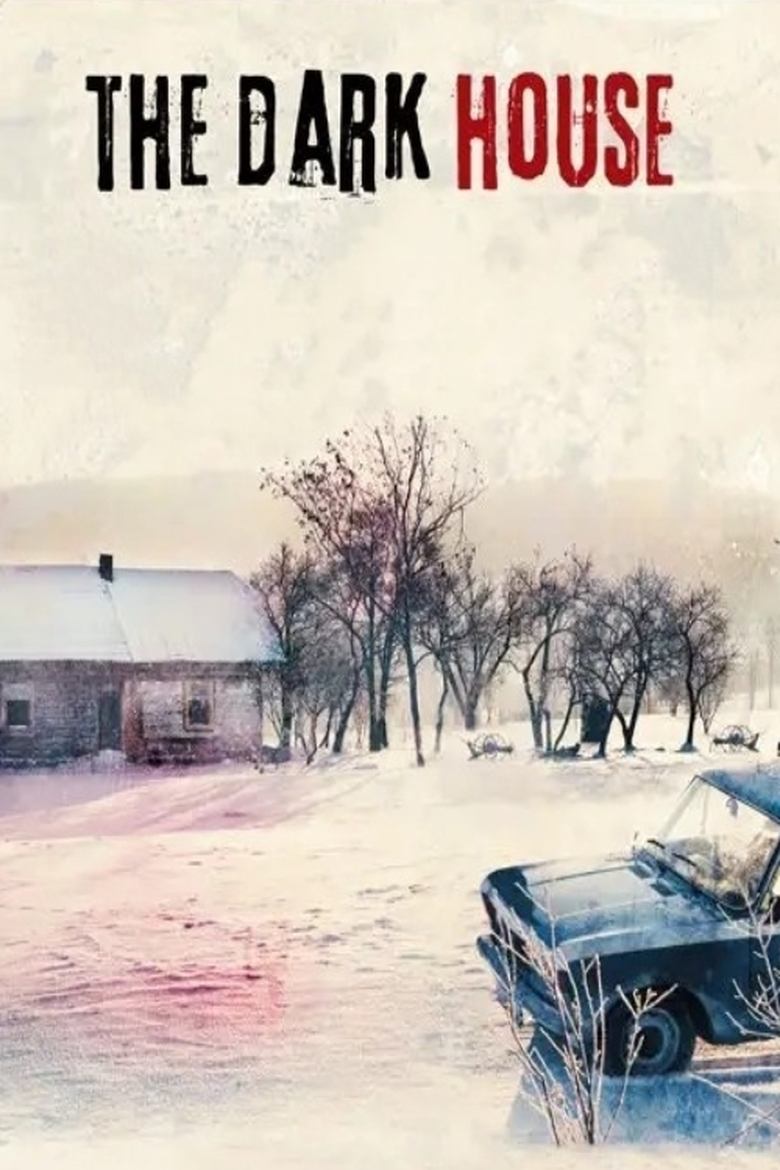
Poland, 1978. Edward Srodon, a zootechnician, makes an accidental stop at the Dziabas family farm, located in the remote area of the Bieszczady Mountains. Years later, on a winter day during Martial Law, a People's Militia investigation team examines a crime scene.
Overall Score
Limited
Category Breakdown
LGBTQ+ Representation
The film operates within a highly traditional, provincial social framework. There is no discernible presence of LGBTQ+ characters or narratives that challenge heteronormative structures.
Gender Representation
The narrative adheres to traditional patriarchal hierarchies and rigid social expectations. Power dynamics are largely driven by male figures, reinforcing a conventional, albeit fractured, masculine social order.
Racial & Ethnic Diversity
Set in a remote region of Poland, the film depicts a largely homogeneous population. The narrative focuses on internal class and social stratifications rather than diverse ethnic tapestries.
Religious & Cultural Diversity
Smarzowski excels in deconstructing the Catholic Church and local political authorities. He portrays these institutions as engines of hypocrisy, greed, and corruption rather than pillars of morality.
Disability Representation
Physical and psychological degradation serves the film's themes of social rot. These elements function as stylistic tools for a grim atmosphere rather than providing meaningful representation.
Strengths
Areas for Improvement
AI Analysis
The Dark House is a visceral exploration of provincial decay in 1970s Poland. It achieves high marks for its aggressive cultural critique, specifically in how it subverts the perceived sanctity of religious and political institutions through satire and moral relativism. However, the film lacks demographic breadth. It remains anchored in a homogeneous social landscape, offering almost no representation for LGBTQ+ identities or diverse ethnic groups. The gender dynamics also lean heavily into traditional patriarchal structures. Ultimately, the film's strength lies in its systemic critique of power rather than its inclusivity of diverse identities. It challenges established social hierarchies by exposing institutional corruption, even as it remains narrow in its human representation.
No reviews yet. Be the first to share your thoughts on this movie!
Use the rating form above to leave a star rating and optional review.