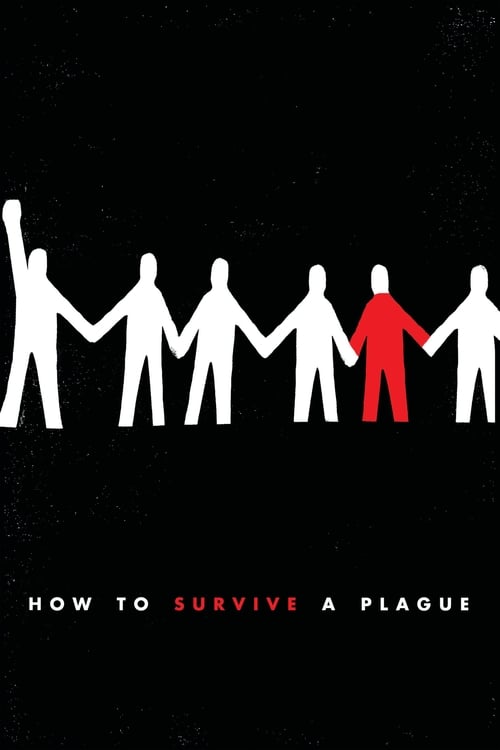
How to Survive a Plague
2012
No user ratings available yet
Diversity score: 8.4 out of 10
2012
Director
Jim Hubbard
Runtime
90 minutes
Average Rating
No ratings yetSynopsis
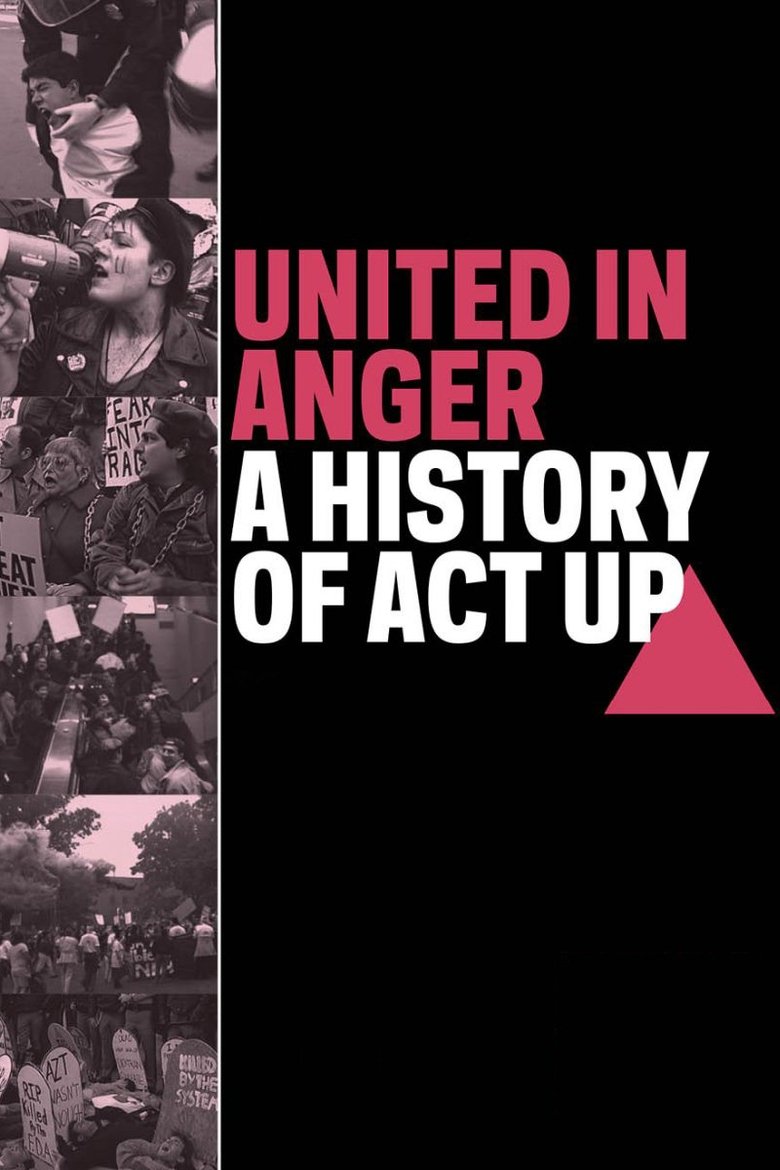
United in Anger: A History of ACT UP is an inspiring documentary about the birth and life of the AIDS activist movement from the perspective of the people in the trenches fighting the epidemic. Utilizing oral histories of members of ACT UP, as well as rare archival footage, the film depicts the efforts of ACT UP as it battles corporate greed, social indifference, and government negligence.
Overall Score
Excellent
Category Breakdown
LGBTQ+ Representation
The film centers the queer experience as the primary driver of the historical narrative. It treats non-cisnormative identities and same-sex intimacy as core lived realities rather than peripheral subplots.
Gender Representation
The documentary disrupts traditional leadership hierarchies by highlighting women and non-binary individuals. These figures are centered in high-stakes political decision-making and grassroots mobilization.
Racial & Ethnic Diversity
The film applies intersectionality by documenting the disparate impact of the epidemic on Black and Latino communities. It avoids monolithic views by providing depth to characters of color.
Religious & Cultural Diversity
The narrative critiques Western institutions, framing pharmaceutical and government agencies through a lens of systemic oppression. It presents direct action as a necessary response to institutional corruption.
Disability Representation
The film provides a visceral depiction of chronic illness and physical disability. It centers the agency of those living with terminal conditions, documenting their transition to political agents.
Strengths
Areas for Improvement
AI Analysis
United in Anger: A History of ACT UP is a profound archival reconstruction that replaces top-down historical views with a bottom-up, identity-driven narrative. By utilizing oral histories, the film centers those historically excluded from medical and political discourse. The documentary excels at framing the struggle for medical equity as a conflict between marginalized identities and oppressive systemic structures. It successfully documents how direct action challenged government negligence and corporate greed. Overall, the film serves as a sophisticated study of intersectional power struggles, prioritizing the voices of the oppressed to dismantle traditional public health narratives.
2012
2010

1984

2019
2014

2021
2017
1996

2013
2009
No reviews yet. Be the first to share your thoughts on this movie!
Use the rating form above to leave a star rating and optional review.