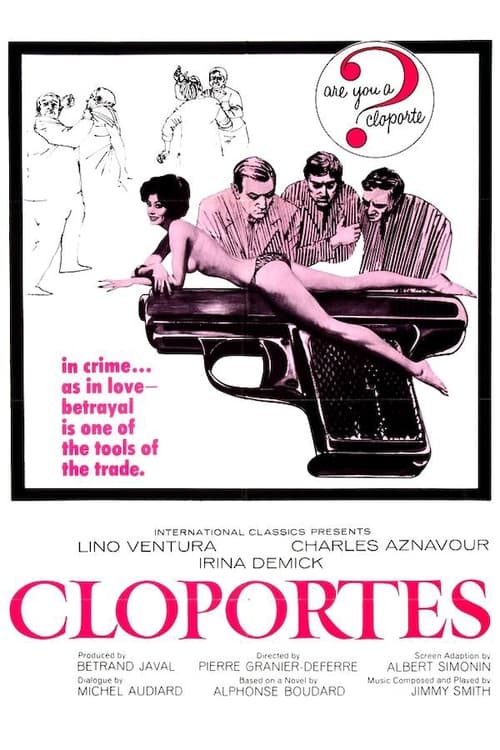
Cloportes
1965
No user ratings available yet
Representation score: 1.7 out of 10
Representation Score
Limited
1964
Director
Michel Deville
Runtime
90 minutes
Average Rating
No ratings yetNew Showbiz Analysis
Lucky Jo is a character-driven crime comedy that prioritizes a localized, gendered group dynamic. The narrative architecture focuses on the friction between individual roles and the collective decision to marginalize a friend. The film occupies a space of moderate traditionalism. It lacks the complexity necessary for a higher progressive rating, functioning instead as a conventional genre piece of its era. Ultimately, the work centers on a cycle of failed criminality and interpersonal friction among a small, homogeneous group.
Category Breakdown
The film focuses on a male-centric group of criminals. There is no evidence of non-straight relationships or same-sex intimacy within the narrative.
The story centers heavily on a male cohort. It lacks indications of female character involvement or the subversion of traditional gender roles.
The narrative does not provide details regarding ethnic composition. It likely reflects the demographic norms of 1964 French cinema.
The plot explores social dysfunction and the breakdown of loyalty. It functions as a study of small-scale crime rather than a systemic institutional critique.
There is no mention of characters possessing visible or invisible disabilities in this context.
Present on Screen
Limited or Absent
Official Synopsis
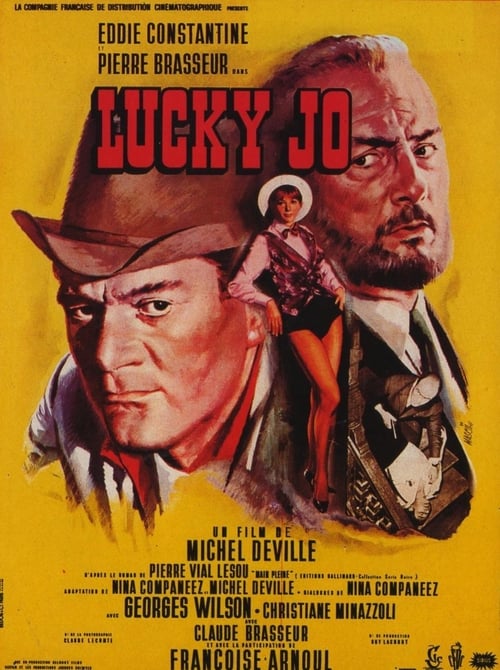
Lucky Jo and his three friends are little criminals, who try to live from small burglaries. But they never have luck - ever so often something inpredictable happens to Jo and gets one of them arrested. While Jo is in prison once again, they decide they'd better do without him in future. He decides to help them secretly...and unfortunately.
1965

1958
1967
1959
1977

1972
1954

1976
No reviews yet. Be the first to share your thoughts on this movie!
Use the rating form above to leave a star rating and optional review.