
Brute Force
1947
No user ratings available yet
Representation score: 2.5 out of 10
Representation Score
Minimal
1955
ApprovedDirector
Howard W. Koch
Runtime
83 minutes
Average Rating
No ratings yetNew Showbiz Analysis
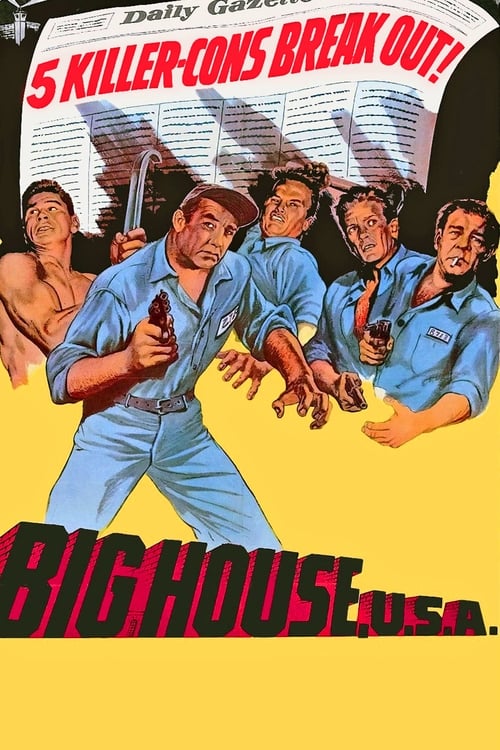
Big House, U.S.A. is a conventional mid-century crime thriller that emphasizes genre clichés over social complexity. The film centers on a narrow demographic, focusing on a masculine, prison environment that excludes most underrepresented groups. The story relies on well-known archetypes like kidnappers and fugitives. Since the narrative is centered on a strict patriarchal inmate hierarchy, it lacks the depth needed to challenge or represent diverse social perspectives. Ultimately, the film serves as a product of its time, emphasizing plot-driven action and institutional authority rather than exploring identity or subverting systemic power structures.
Category Breakdown
The film takes place in a strictly masculine, prison setting with no representation of LGBTQ+ identities or narratives that question straight relationships.
This is an all-male ensemble drama where women have no significant role in driving the story. The story reinforces a patriarchal inmate structure instead of challenging traditional gender roles.
The cast appears uniform, reflecting the typical demographics of 1950s crime dramas. There is no indication of racial diversity influencing the main plot.
The narrative highlights the tension between individual choice and institutional rules. It follows traditional crime and punishment themes without delving into systemic corruption.
There are no characters with visible or invisible disabilities in the film. No such characters are included as important figures in the story.
Present on Screen
Limited or Absent
Official Synopsis
A tough and realistic crime drama unfolds as merciless kidnapper Jerry Barker (Ralph Meeker) demands ransom paid against a young runaway whose fate lands Barker in Casabel Island Prison.
1947

1955
1945
1966

1948

1968
1949
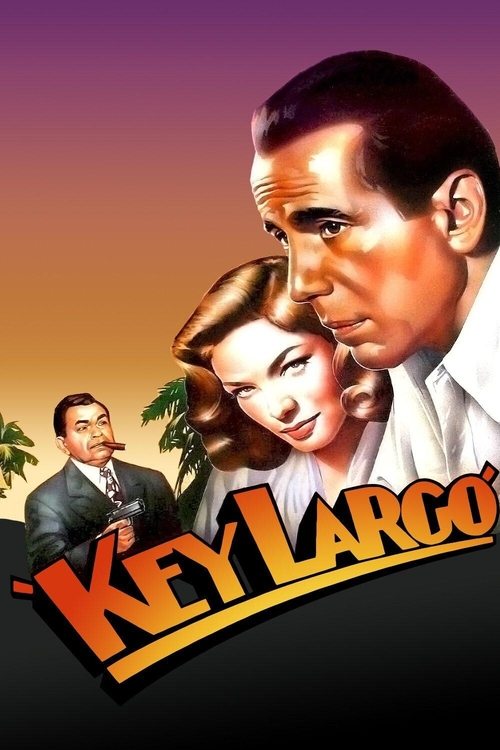
1948
No reviews yet. Be the first to share your thoughts on this movie!
Use the rating form above to leave a star rating and optional review.