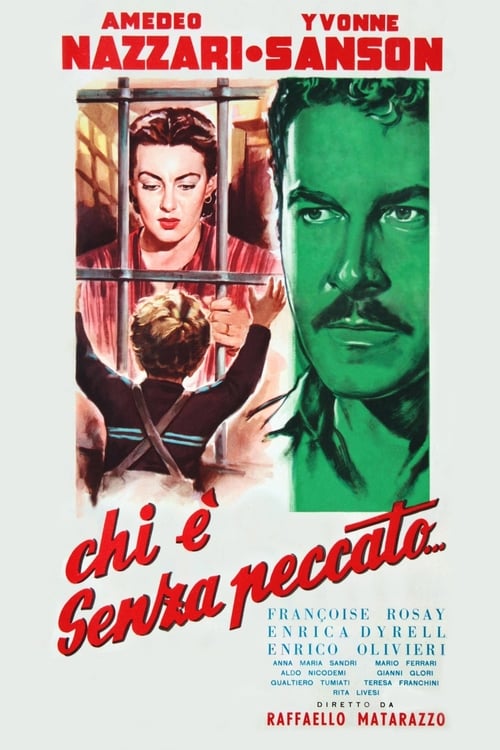
He Who Is Without Sin...
1952
No user ratings available yet
Diversity score: 1.9 out of 10
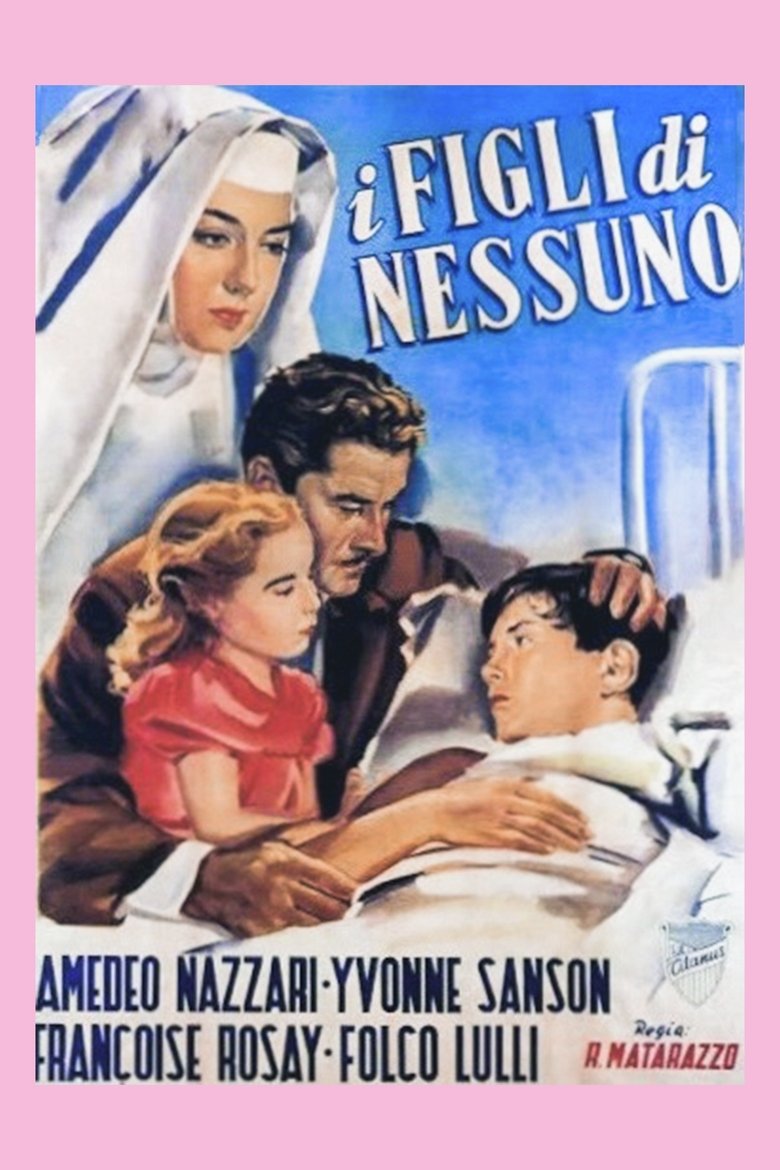
1951
Director
Raffaello Matarazzo
Runtime
98 minutes
Average Rating
No ratings yetSynopsis
The tragic love story between Guido, the owner of a marble quarry and Luisa, the humble daughter of one of his employees, ends up in her giving birth to their baby boy. Giulio's mother is against them: first she sends her son abroad and then has the baby kidnapped, making Luisa think the boy died in a fire.
Overall Score
Limited
Category Breakdown
LGBTQ+ Representation
The film follows a strictly heteronormative romantic structure. There is no evidence of non-cisnormative identities or critiques of traditional romance within the narrative.
Gender Representation
Luisa serves as the emotional center, yet her agency is heavily constrained by patriarchal and class-based structures. The plot highlights the systemic vulnerability of women under rigid familial authority.
Racial & Ethnic Diversity
The setting reflects the demographic homogeneity of mid-century Italy. The cast centers on a white, Eurocentric social structure with no evidence of racial or ethnic diversity.
Religious & Cultural Diversity
The story explores traditional Western values regarding family sanctity. It subtly deconstructs the idealized family unit by portraying the matriarch as a source of trauma and disruption.
Disability Representation
There are no visible or invisible disabilities portrayed as central to the character arcs or the progression of the plot.
Strengths
Areas for Improvement
AI Analysis
Nobody's Children is a classic Italian melodrama that prioritizes high emotionality and traditional narrative structures. It functions as a product of its 1950s temporal and cultural context, adhering to the social norms of the era. The film focuses on the friction between individual desire and rigid social hierarchies. While it offers a look at the suffering caused by class and familial structures, it does not employ intersectional frameworks or progressive tropes to disrupt the status quo. Ultimately, the work reinforces traditional power dynamics rather than challenging them, centering its conflict on class distinctions and conventional romantic tragedy.
1952
1968

1957
1971
1923

1961

1973
1953
1958
1932
1985

1949
No reviews yet. Be the first to share your thoughts on this movie!
Use the rating form above to leave a star rating and optional review.