Anything Once
1969
No user ratings available yet
Representation score: 4.4 out of 10
Representation Score
Fair
1970
Director
Frank Brittain
Runtime
102 minutes
Average Rating
No ratings yetNew Showbiz Analysis
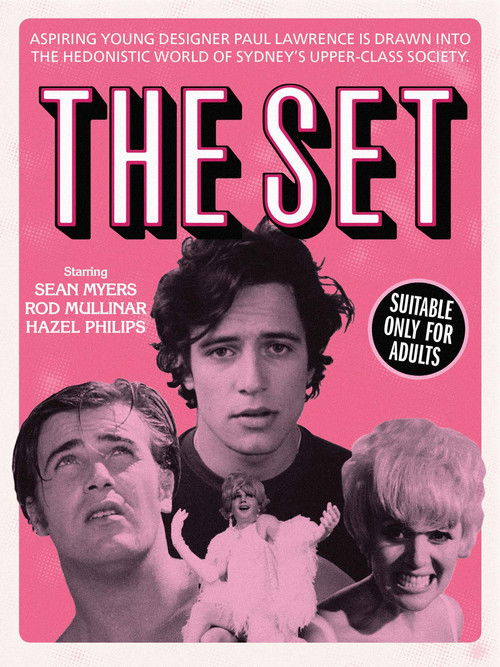
The Set is a character-driven drama that excels in exploring sexual identity and class mobility. By centering a queer relationship, it offers a progressive perspective on intimacy for its time. However, the film's social scope is limited by a lack of racial diversity, focusing primarily on an Anglo-centric art society.
Category Breakdown
The film centers a homosexual affair between Paul and Tony Brown, placing queer intimacy at the heart of the protagonist's journey. This inclusion challenges traditional assumptions about relationships.
Marie Rosefield serves as a professional mentor, challenging traditional gender roles in the arts. Female characters like Cara and Peggy navigate complex, non-traditional romantic relationships that go beyond typical domestic scenarios.
The narrative focuses on a predominantly Anglo-centric social circle within Sydney's art society. There is little evidence of ethnic plurality among the primary characters described.
The story explores social mobility and the breaking down of class boundaries. It emphasizes individual desires and moral relativism over traditional values like stable marriage.
The film does not include any characters with visible or invisible disabilities.
Present on Screen
Limited or Absent
Official Synopsis
Paul Lawrence is a working class man who dates Cara, sells shirts at a Sydney department store, and dreams of attending art school. Cara leaves for London and Paul becomes the protege of designer Marie Rosefield. Through this he enters the 'set', the world of Sydney art society. Rosefield is friends with Mark Broniski, an artist who commissions Paul to design a set for British stage director, John L. Fredericks. Paul is helped by art student Tony Brown, who is dating Paul's cousin, Kim Sylvester. Paul and Tony begin a homosexual affair. Kim's mother Peggy has an affair with Boronoski.
1969

1961
1968

1987
1975
1970

1970
1969
No reviews yet. Be the first to share your thoughts on this movie!
Use the rating form above to leave a star rating and optional review.