Nighthawks
1978
No user ratings available yet
Representation score: 8.1 out of 10
Representation Score
Fair
1977
NRDirector
Eloy de la Iglesia
Runtime
94 minutes
Average Rating
No ratings yetNew Showbiz Analysis
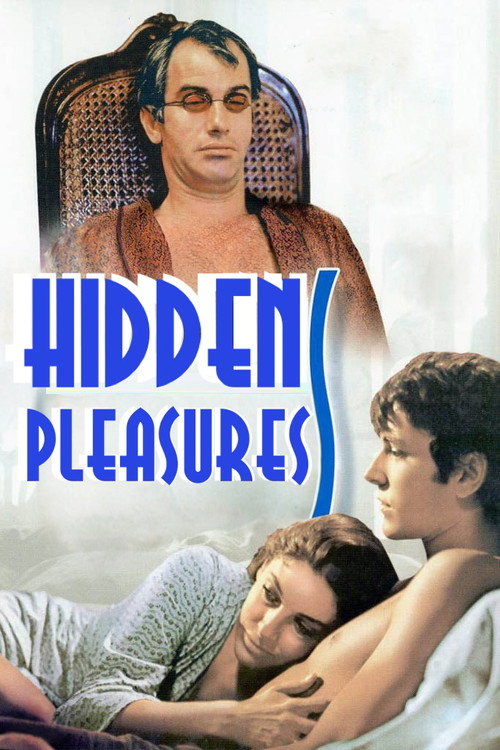
Hidden Pleasures stands as a key piece of Spanish cinema during a period of social change. It explores the intersection of class and sexuality, challenging established norms. While it offers a sophisticated look at queer identity and societal structures, it lacks broad ethnic diversity. The film effectively portrays underrepresented identities on the outskirts of mainstream acceptance, critiquing monolithic social systems.
Category Breakdown
The film focuses on non-straight relationships and intimate connections between people of various genders. Miguel's attraction to both women and men highlights a more fluid understanding of sexuality, avoiding rigid categories.
The movie challenges traditional gender roles through unorthodox power dynamics. The protagonist defies the typical provider role by valuing fleeting relationships over a conventional family structure.
The story mainly emphasizes class differences rather than ethnic diversity. There is little indication of a diverse cast representing various ethnicities.
The film examines the clash between personal freedom and institutional control by blending high finance with street life. It highlights individual empowerment over strict religious or state regulations.
There is no noticeable depiction of physical or neurological disabilities in this film.
Present on Screen
Limited or Absent
Official Synopsis
Eduardo, a wealthy banker who has a pastime for hiring young street hustlers to keep his bed warm, spots Miguel, a handsome teen who has a penchant for women and motorcycles.
1978
1970
1974
1987
2012
1976
1980

1961
No reviews yet. Be the first to share your thoughts on this movie!
Use the rating form above to leave a star rating and optional review.