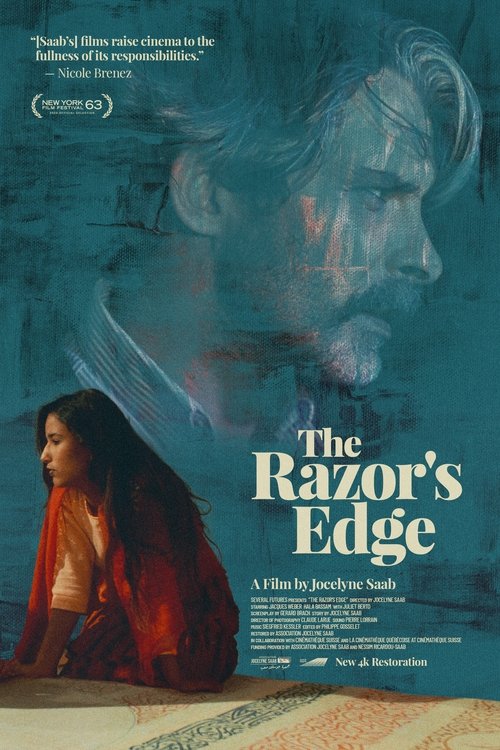
The Razor's Edge
1985
No user ratings available yet
Representation score: 9.0 out of 10
Representation Score
Good
1998
Director
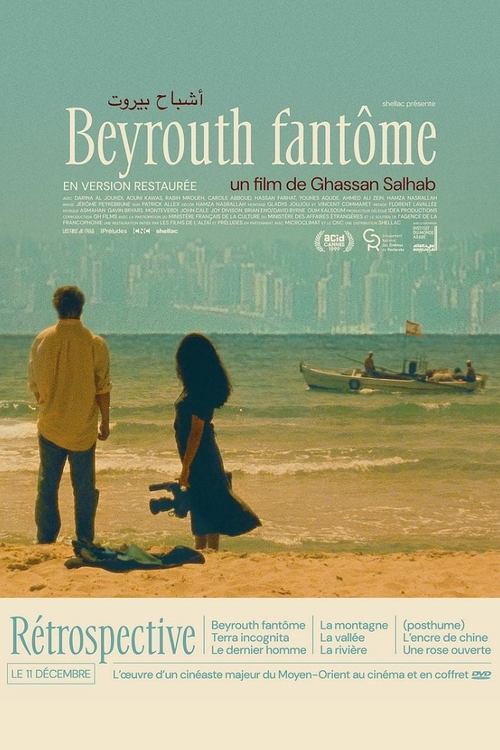
Ghassan Salhab
Runtime
117 minutes
Average Rating
No ratings yetNew Showbiz Analysis
Ghassan Salhab’s work presents a sophisticated, non-Western alternative to typical dramatic narratives. By centering a specific Middle Eastern context, the film explores identity without falling into simple heroism. However, the narrative heavily focuses on a single male protagonist, leaving gender dynamics and queer identities undefined. The absence of explicit representation in these areas restricts the film's scope. Overall, the film's strength lies in its cultural specificity and its refusal to offer a straightforward moral view of conflict, emphasizing instead the psychological fragmentation of individuals.
Category Breakdown
The film does not include any explicit LGBTQ+ characters or non-cisgender identities. The story focuses on the protagonist's journey back to a divided city.
The story centers around Khalil, a male protagonist dealing with survival and deception. Female characters are present but not detailed, and the film avoids traditional gender roles.
By focusing on a Middle Eastern perspective, the film challenges the typical Western viewpoint. It highlights the unique experiences of people living in the Levant.
The film offers a critical look at the failing political and social structures in Beirut. It emphasizes situational ethics and personal survival over strict traditional morals.
The film does not explicitly mention physical or neurodivergent disabilities. However, the theme of 'phantoms' suggests a possible exploration of psychological trauma due to war.
Present on Screen
Limited or Absent
Official Synopsis
Late in the 1980s it seems like the Lebanese conflict will never end. Khalil returns to Beirut after many years. Ten years earlier, during a battle, he took advantage of the confusion and pretended he was dead.
1985

2005
1987

2009
2010

1975
2004
1991
No reviews yet. Be the first to share your thoughts on this movie!
Use the rating form above to leave a star rating and optional review.