The Razor's Edge
1985
No user ratings available yet
Representation score: 9.0 out of 10
Representation Score
Good
2010
Director
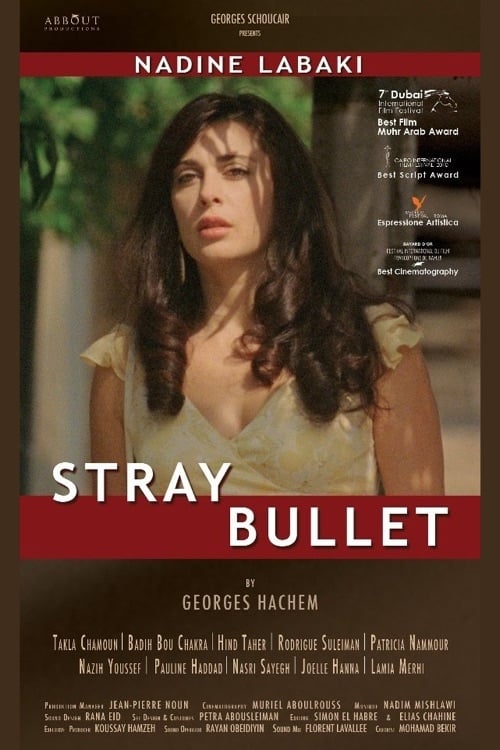
Georges Hachem
Runtime
76 minutes
Average Rating
No ratings yetNew Showbiz Analysis
Stray Bullet stands out by focusing on a female protagonist's psychological development amid the sociopolitical turmoil of the Lebanese Civil War. By emphasizing Noha's internal journey over spectacle, the film challenges traditional gender roles often found in conflict-driven dramas. The setting provides a necessary shift from Western-centric narratives, offering a nuanced look at identity within a diverse Middle Eastern urban environment. This cultural specificity enriches the exploration of systemic instability. While the film lacks explicit data on LGBTQ+ or disability representation, its commitment to individual empowerment and non-Western perspectives makes it a meaningful piece of progressive storytelling.
Category Breakdown
The film explores a character's past relationship but does not confirm any non-straight identities or include clear LGBTQ references.
Noha is a central character whose journey towards self-discovery drives the plot. This focus on women's empowerment challenges typical war movie clichés that sideline women.
Set in 1976 Beirut, the film offers a crucial Middle Eastern perspective. It shifts away from Western-centric storytelling to explore a rich, multi-ethnic urban environment.
The film delves into themes of personal morality and the breakdown of societal structures during civil unrest. It examines the instability of institutions in a post-colonial context.
There is no visible or hidden depiction of disability in the current narrative overview.
Present on Screen
Limited or Absent
Official Synopsis
In 1976 Beirut, after a rendezvous with her old flame, soon-to-wed Noha witnesses a violent incident and changes course on a path to self-realization.
1985
1997
1998

2022

1975

2025
2010

2013
No reviews yet. Be the first to share your thoughts on this movie!
Use the rating form above to leave a star rating and optional review.