The Life of Bruce Lee
1994
No user ratings available yet
Representation score: 4.9 out of 10
Representation Score
Limited
1977
NRDirector
Jim Markovic, Kim Si Hyeon
Runtime
93 minutes
Average Rating
No ratings yetNew Showbiz Analysis
The documentary offers significant visibility to Asian identity and Hong Kong cinema history by focusing on Bruce Lee. It challenges Western-centric film norms by highlighting a non-Western icon. However, the film primarily focuses on hyper-masculine figures and physical dominance. It leans towards genre clichés rather than exploring deeper cultural intersections. Overall, the film serves as a biographical tribute to Bruce Lee but lacks representation of LGBTQ+ identities and women's ability to drive the story, limiting its narrative scope.
Category Breakdown
The film does not feature any explicit LGBTQ+ characters or narratives. It focuses on the biography of Bruce Lee and his martial arts legacy, which traditionally emphasizes heterosexual relationships.
The movie centers on hyper-masculine figures such as Bruce Lee and his followers. It highlights physical strength and traditional masculinity without showing women taking significant roles in the story.
The documentary highlights Asian identity by focusing on Bruce Lee and early Hong Kong cinema. However, it leans towards genre clichés rather than exploring diverse cultural intersections.
The film celebrates a non-Western cultural icon and martial arts traditions. It serves as an archive of Bruce Lee’s legacy but does not challenge Western institutions or promote radical secular ideas.
The documentary does not mention any characters or individuals with disabilities. There is no discussion of how disabilities might affect the narrative.
Present on Screen
Limited or Absent
Official Synopsis
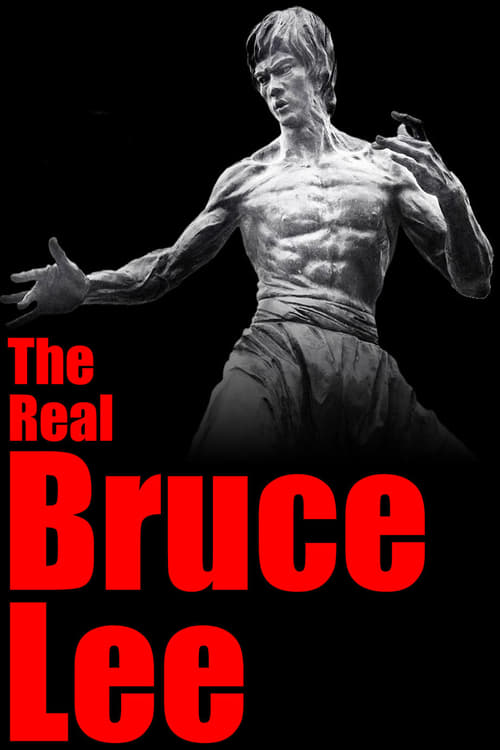
The Real Bruce Lee is a martial arts documentary. It begins with a brief biography of Bruce Lee, and shows scenes from four of his childhood films, Bad Boy, Orphan Sam, Kid Cheung, and The Carnival, each sepia-toned and dubbed to English. Next, there is a three-minute highlight reel of Lee imitator Bruce Li. Finally, there is a feature-length film starring Lee imitator Dragon Lee, which is obviously modeled after Bruce Lee's Fist of Fury.
1994
2000

1973

2012
1998
1993
1993
2010
No reviews yet. Be the first to share your thoughts on this movie!
Use the rating form above to leave a star rating and optional review.