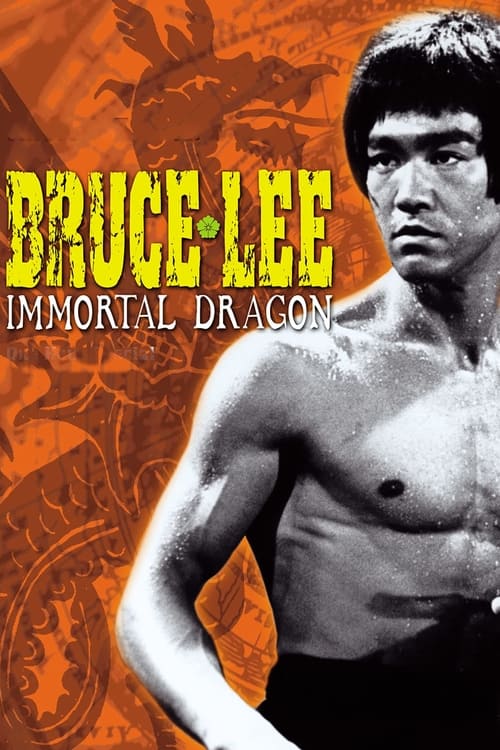
Bruce Lee: The Immortal Dragon
1994
No user ratings available yet
Diversity score: 5.2 out of 10
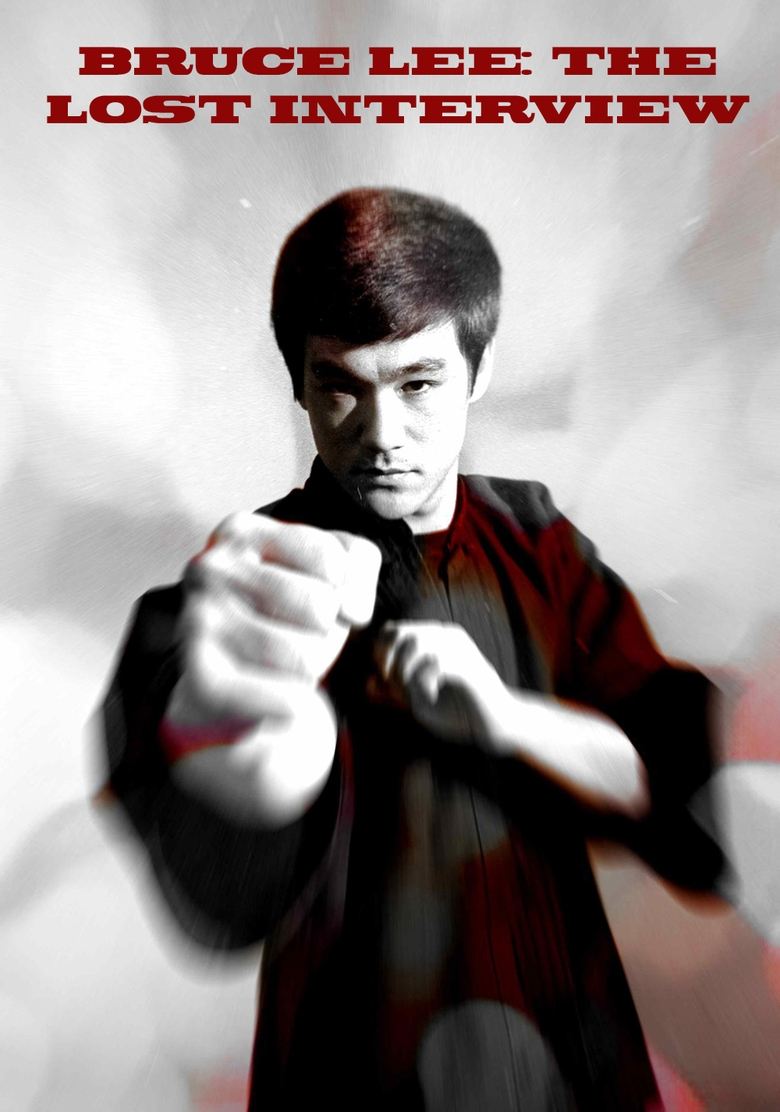
1971
Director
Michael Rothery
Runtime
30 minutes
Average Rating
No ratings yetSynopsis
A priceless gem from the fine folks at The Internet Archive: Bruce Lee’s only existing television interview, from 1971. Martial arts expert Bruce Lee became world-renowned for his performances in such Kung-fu classics as ENTER THE DRAGON. Now his only interview in English is available. Just after the release of his first film THE BIG BOSS, he spoke in Hong Kong with Canada's premier journalist Pierre Berton. This is the closest one can get to this extraordinary master.
Overall Score
Fair
Category Breakdown
LGBTQ+ Representation
The documentary focuses exclusively on martial arts philosophy and personal methodology. It contains no depictions of LGBTQ+ identities or non-cisnormative gender expressions.
Gender Representation
The film lacks a diverse gendered cast, centering instead on a dialogue between Lee and Berton. It lacks female agency and remains within a masculine-coded sphere.
Racial & Ethnic Diversity
Centering a Chinese-American icon disrupts historical marginalization of non-white voices. Lee’s presence challenges the racial archetypes prevalent in the 1970s media landscape.
Religious & Cultural Diversity
Lee’s 'be water' philosophy challenges rigid institutionalism and traditional authority. His emphasis on individual adaptation offers a critique of fixed cultural structures.
Disability Representation
The archival footage contains no specific depictions of visible or invisible disabilities used as central themes.
Strengths
Areas for Improvement
AI Analysis
This documentary serves as a vital historical record, primarily through its centering of Bruce Lee. While the format limits cast diversity, Lee’s presence acts as a powerful disruption of the era's racial archetypes and cinematic hierarchies. The film's strength lies in its portrayal of a person of color exercising high agency on a global stage. However, the narrow focus on a single male subject results in low scores for gender and LGBTQ+ representation. Ultimately, the work is significant for its philosophical subversion of traditionalism, even if it lacks the broad demographic variety found in modern productions.
1994
1977

1973
1998
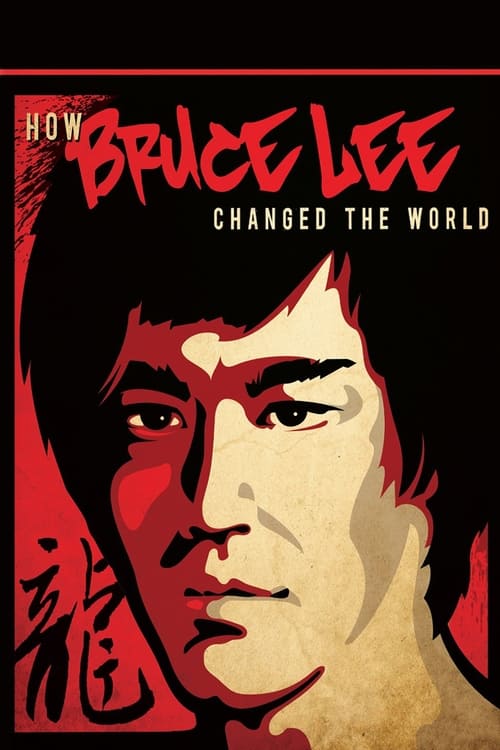
2009
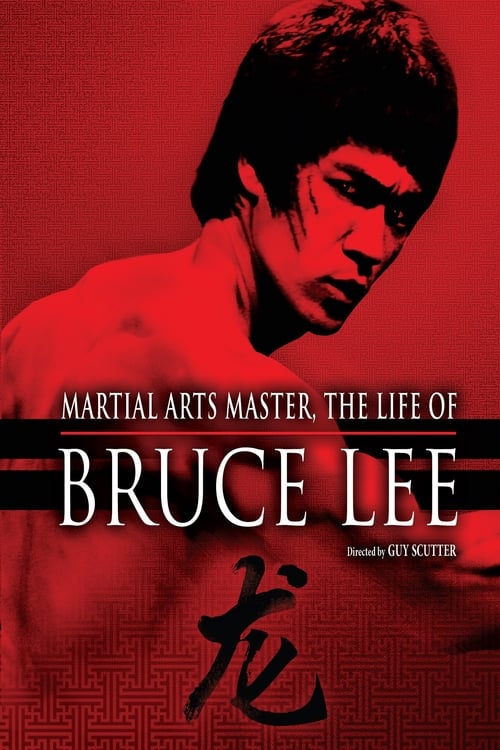
1994
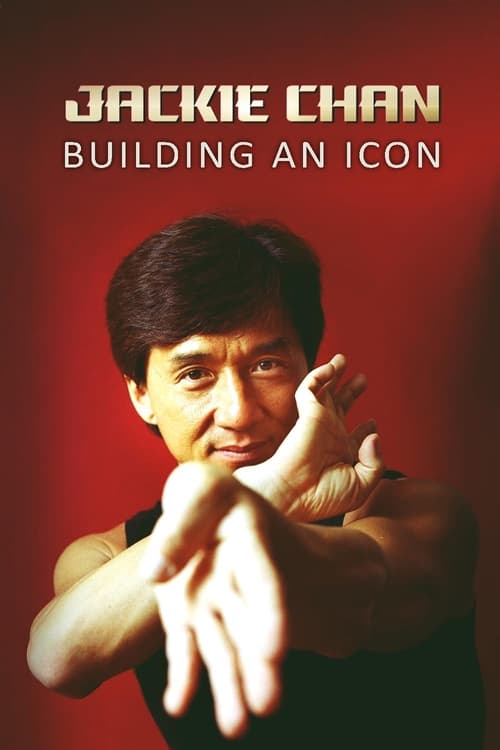
2021

2015
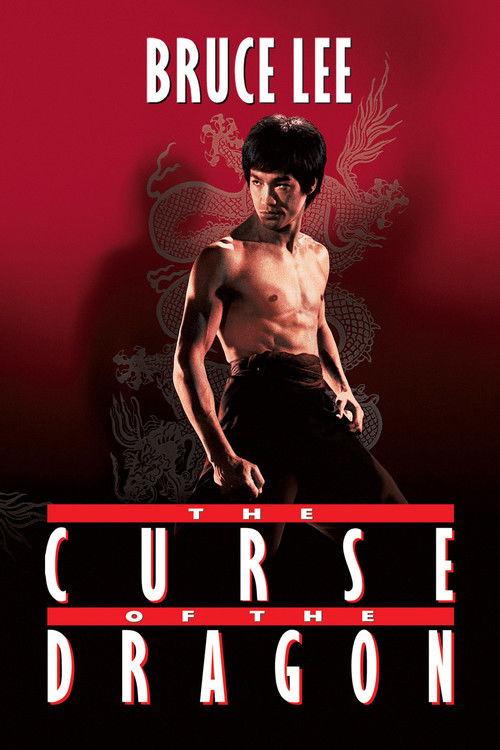
1993
2009
2019
2016
No reviews yet. Be the first to share your thoughts on this movie!
Use the rating form above to leave a star rating and optional review.