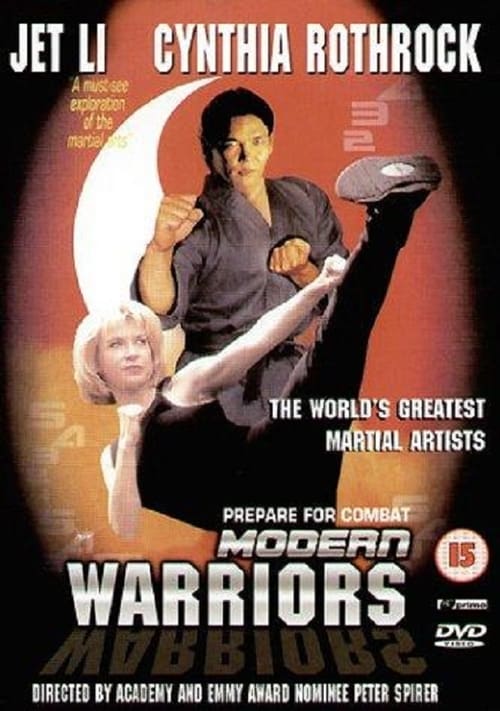
Modern Warriors
2002
No user ratings available yet
Representation score: 3.7 out of 10
Representation Score
Limited
1979
PGDirector
Masayoshi Nemoto
Runtime
101 minutes
Average Rating
No ratings yetNew Showbiz Analysis
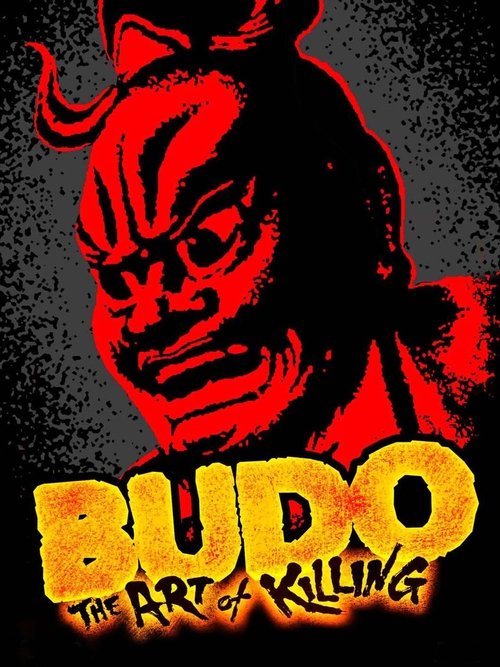
Budo: The Art of Killing serves as a cultural archive rather than a social commentary. It excels at providing authentic visibility for Japanese martial arts, presenting masters like Gozo Shioda and Teruo Hayashi without Westernized filters. However, the film adheres to the traditional hierarchies inherent to its subject matter. This results in a lack of representation for LGBTQ+ identities and a heavy emphasis on masculine physical dominance. Ultimately, the documentary prioritizes technical mastery and cultural preservation over the subversion of social or gender-based power dynamics.
Category Breakdown
The film focuses solely on the technical execution of martial arts disciplines. There are no characters or narratives exploring non-straight relationships or identities.
The documentary centers on traditional martial arts hierarchies that emphasize masculine physical dominance. It lacks evidence of challenging traditional gender roles.
The film provides high ethnic specificity by focusing entirely on Japanese practitioners. It offers an authentic, localized perspective on these cultural traditions.
The work celebrates traditional Japanese institutions and the spiritual underpinnings of disciplines like Aikido. It reinforces structures of respect and mastery.
There is no information regarding the inclusion or portrayal of individuals with physical or neurodivergent disabilities.
Present on Screen
Limited or Absent
Official Synopsis
Budo: The Art of Killing is an award winning 1978 Japanese martial arts documentary created and produced by Hisao Masuda and financed by The Arthur Davis Company. Considered a cult classic, the film is a compilation of various Japanese martial art demonstrations by several famous Japanese instructors such as Gozo Shioda, Taizaburo Nakamura and Teruo Hayashi. Martial arts featured in the film include: Karate, Aikido, Kendo, Sumo, and Judo among others.
2002
2000
1976

2012
1998
1943
1990
1897
No reviews yet. Be the first to share your thoughts on this movie!
Use the rating form above to leave a star rating and optional review.