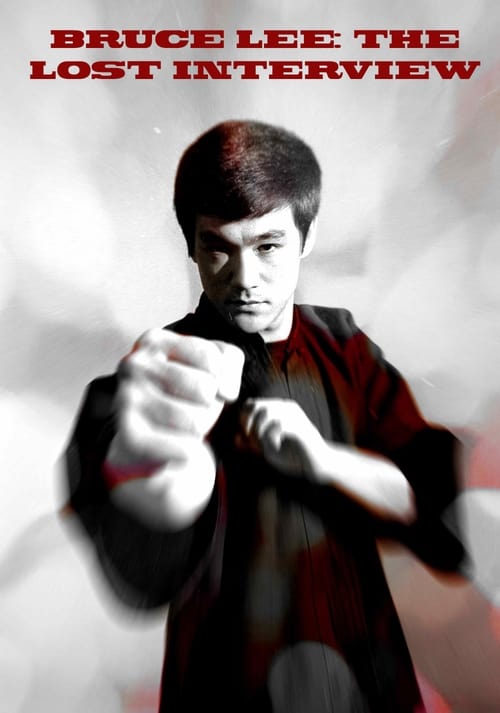
Bruce Lee: The Lost Interview
1971
No user ratings available yet
Diversity score: 5.0 out of 10
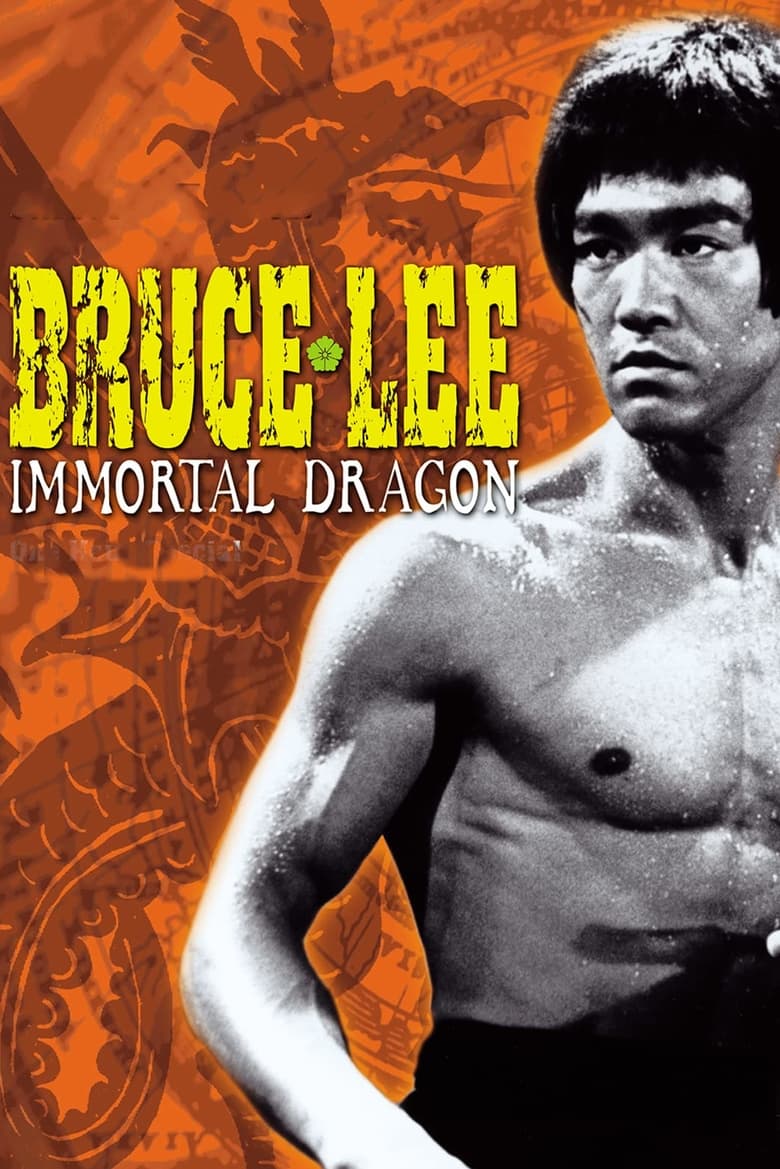
1994
Director
Jude Gerard Prest
Runtime
45 minutes
Average Rating
No ratings yetSynopsis
A video tribute to a martial arts legend, Bruce Lee. Examined are his early years in Hong Kong and his journey to Hollywood, his role of Kato on the TV series 'The Green Hornet', and his years as the martial arts instructor to the stars. Lee's spectacular rise to super stardom through his Kung Fu films is detailed, with a revealing look at both the on-screen action and behind the scenes controversy. Celebrity interviews include actor James Coburn talking about Lee as a teacher and collaborator, and actress Diane McBain on Lee's Kato years. Lee's successors in martial arts cinema are profiled, and theories offered about mysterious deaths of Bruce Lee and his son Brandon. Plus rare footage and more! Although his life was cut short at the age of 32, Bruce Lee-- through his movies and his teachings-- will forever be remembered as the Immortal Dragon!
Overall Score
Fair
Category Breakdown
LGBTQ+ Representation
The documentary focuses strictly on Bruce Lee's biography and professional circle. There are no depictions of LGBTQ+ identities or narratives addressing non-cisnormative experiences.
Gender Representation
The film centers on Lee's masculine prowess and traditional biographical structures. While female contemporaries like Diane McBain provide perspectives, the narrative follows conventional domestic and gender frameworks.
Racial & Ethnic Diversity
This work highlights the navigation of Asian identity within Western cinema. By centering a Chinese-American icon, it explores the immigrant experience and the breaking of racial barriers in Hollywood.
Religious & Cultural Diversity
The documentary examines the tension between Eastern philosophy and Western industry standards. It explores the friction of a non-Western figure navigating Hollywood through a celebratory biographical lens.
Disability Representation
There is no significant focus on visible or invisible disabilities. No characters with disabilities are utilized as central figures or plot devices within the film.
Strengths
Areas for Improvement
AI Analysis
The documentary serves as a powerful historical retrospective that disrupts Hollywood's traditional homogeneity by centering a Chinese-American icon. It provides essential visibility into the immigrant experience and the navigation of Eastern and Western cultural identities. However, the film adheres to traditional biographical and familial structures. This limits its ability to subvert gender hierarchies or explore diverse social identities beyond the central subject's life. Ultimately, while it excels in racial and cultural representation, it lacks the intentionality required to address broader social deconstruction or diverse identity spectrums.
1971
1993
1977

1973
1994
1998
2009
2021

2015

2011
2004
2016
No reviews yet. Be the first to share your thoughts on this movie!
Use the rating form above to leave a star rating and optional review.